

Top-rated bird control service pros.

Get matched with top bird control service pros in Freeland, WA

Enter your zip and get matched with up to 5 pros

Need a pro for your bird control service project in Freeland, WA?

Select your specific project to find the pro for you.

TRUSTED BY FREELAND, WA HOMEOWNERS

  • Average homeowner rating star icon4.6
    Average homeowner rating
  • Verified reviews icon98
    Verified bird control services reviews

Find Bird control service pros in Freeland

Avatar for Aaalpha Wildlife Home Inspection
Aaalpha Wildlife Home Inspection
5.0(
3
)
Pest Control - Birds and BatsPest Control - Birds and Bats - For Business

Serving Freeland, WA and surrounding areas

In business since 2006

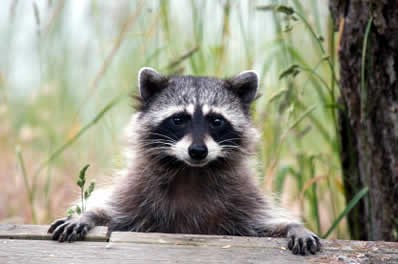
We are a full wildlife control company. We capture and remove all wildlife. We repair all damage after the animals are removed if our companys bid for the work is accepted. We are not a franchise in order to allow for better service and lower fees. We are a company that prides itself on being the best wildlife service for our customers. We specialize in Raccoons, Bats and oppossums.

Recommended by100%of homeowners
Avatar for PLATEAU PEST CONTROL
PLATEAU PEST CONTROL
4.2(
5
)
Pest Control - Birds and BatsPest Control - Birds and Bats - For Business

Serving Freeland, WA and surrounding areas

In business since 2013

Free estimates

Credit card accepted

"Sokhara reinforced our crawl space vents and got ride of rodents and feral cats. He sprayed the exterior of our house and got rid of carpenter ants and spiders.  Every thing I needed for pest control Sokhara delivered on.  He visits every two months for treatments and is promptly available for emergencies. Previously Sokhara successfully treated my daughter's home for a severe rodent problem. I highly recommend Plateau Pest Control."
Additional Photos
ZOOM 1
Zoom 2
Zoom 3 Termites
Chew Hole From Roof Rats

+5

Recommended by100%of homeowners
Bird Control questions, answered by experts

Certain strong smells may help repel bats, though this is not a foolproof method and is best used in conjunction with other deterrence strategies. Scents like peppermint oil, eucalyptus, cinnamon, cloves, and mint are often suggested as natural remedies. To create a spray, you can mix two cups of warm water with half a cup of sugar and a few drops of your preferred essential oil. Apply this mixture using a spray bottle to possible entry points and throughout the affected area, such as an attic. While this home remedy is popular, evidence supporting its effectiveness is limited.

Chirping noises, droppings, scratches on the walls, and stains at entries and exits are all signs that you have bats in your house or, more specifically, your attic. Because bats are nocturnal, there’s a chance that bats have already infested your home before you start to see warning signs, so don’t delay if you notice anything. If you see a bat or two at sunrise or sunset near your property, that’s another telltale sign that they could be setting up shop inside your space.

If a wild animal enters your yard, prioritize safety for yourself and the animal. Remember to avoid direct contact and always keep a safe distance. Contact local authorities or a wildlife rehabilitation center if the animal is hurt or in distress. Both sources should be able to guide you on how to proceed and send help if needed. Please wait for the animal to leave naturally for non-threatening situations, as many will. To deter future visits, implement measures like securing trash cans, sealing entry points, and removing potential food sources.

DIY animal removal is rarely a good idea and is not advised for many reasons. First, these types of animals can carry diseases and, therefore, pose a health risk to you, your family, and your pets if mishandled. Second, depending on your city or municipality, it may be illegal to remove or handle wildlife yourself. 

Sealing your home against these animals yourself is also a bad idea. Trapping an animal under your house will cause odor and insect problems when it passes away. 

Some birds of prey, like owls, hunt at night. Hawks are diurnal and need good light to see their prey. You could see them circling anytime from dawn to dusk. Species like the common red-tailed hawk are most active in the early morning and late evening when their prey is also typically on the go.

The Freeland, WA homeowners’ guide to bird control services

From average costs to expert advice, get all the answers you need to get your job done.