

If you discover a wasp nest near your home, you’ll want to remove it ASAP. Learn about wasp nest removal costs in Seattle, WA in this guide.
Pest control costs depend on your project and location. Check with a local pro for your specific job.

Professional bat removal in Seattle, WA, costs $366 on average, but removing a full colony increases the total price.
The size and location of the infestation drive your removal costs, with hard-to-reach areas requiring specialized equipment.
Removing a small colony of fewer than 50 bats in Seattle, WA, costs between $260 and $1,670.
Hiring a Seattle, WA bat removal pro to remove bats keeps you and your household safe from rabies.
This article was created using automation technology and produced in accordance with our AI policy, which includes editorial quality standards.
Bat removal in Seattle, WA, costs $366 on average, with prices ranging from $234 to $498. Your total price depends on the size of the bat colony and the extent of the exclusion repairs required to seal your home. Before hiring a wildlife control expert, understanding the cost helps you plan a project that protects your home and fits your budget.
When dealing with a bat infestation in Seattle, WA, hiring a professional wildlife removal specialist ensures the job is done safely and legally. The total price you pay depends on the size of the colony, the extent of the cleanup required, and any necessary repairs to your home's structure.
Before any exclusion work begins, a bat control professional must assess your property to identify entry points and determine the extent of the infestation. An initial inspection dictates the scope of the project and directly influences your overall $366 average project cost. In Seattle, WA, the mild, wet winters drive bats indoors to seek shelter, making thorough inspections critical for finding hidden roosts in attics or walls. Many companies charge a flat one-time fee for this visit, which they credit toward the final bill if you hire them for the removal.
The number of bats living in your home is the most significant factor in determining your total removal expenses. Removing a single bat is a straightforward process, while excluding a massive colony requires extensive labor, specialized one-way doors, and comprehensive sealing of the home's exterior. In Seattle, WA, where older homes have multiple gaps in the siding or roofline, large colonies establish themselves quickly. For a small colony of fewer than 50 bats, homeowners pay between $260 to $1,670 per project. If the infestation has grown to between 50 and 200 bats, the price increases to $1,670 to $5,560 per project.
| Colony Size | Local Average Price | National Average Price |
|---|---|---|
| <50 bats | $260–$1,670 | $230–$1,500 |
| 50 to 200 bats | $1,670–$5,560 | $1,500–$5,000 |
| 200+ bats | $5,560+ | $5,000+ |
If a lone bat accidentally flies into your living space, a wildlife control expert will safely capture and release it outside. This flat one-time service falls near the $234 low end of the cost range. After removing the bat, the technician will inspect the area and recommend sealing any obvious entry points to prevent future intrusions. Incorporating roof repair into this step prevents other animals from taking advantage of the same vulnerabilities.
Because bats are protected, professionals use exclusion methods rather than extermination to handle established colonies. The technician installs one-way exit devices that allow the bats to leave but block their return. Once the colony departs, the pro seals all remaining entry points. Excluding a large colony pushes the total price toward the $498 high end of the range, as it requires more materials and labor to secure the entire roofline and attic space.
Bat colonies introduce secondary pests into your home, which requires additional treatment and increases your total bill. Bat bugs, fleas, and cockroaches thrive in areas with bat activity and guano accumulation. In Seattle, WA, the damp climate provides ideal breeding conditions for these secondary insects once they are inside your home. Addressing these infestations requires specialized treatments beyond standard bat exclusion. Factoring in pest control costs ensures your home is completely free of both the primary wildlife and the insects they brought with them.
Cleaning up bat droppings, known as guano, is a mandatory step that adds a significant amount to your final project total. Guano harbors dangerous fungal spores that cause respiratory illnesses, requiring professionals to use specialized personal protective equipment and HEPA vacuums for safe extraction. In Seattle, WA, the rainy, overcast weather means attics stay humid, which accelerates the breakdown of guano and worsens the damage to surrounding building materials. Because guano destroys building materials, you must also account for attic insulation costs to replace the soiled fiberglass or cellulose. Once the space is sanitized, completing necessary drywall repair restores the structural integrity of your ceiling and walls.
Hiring a bat control professional in Seattle, WA, keeps your home safe. Specialists charge a flat fee based on colony size and exclusion complexity. For a colony of fewer than 50 bats, expect to pay $260 to $1,670 per project. If the infestation includes 50 to 200 bats, the price increases to $1,670 to $5,560 per project. We recommend addressing the issue immediately and factoring in the 10.55% tax rate for Seattle, WA.
Hiring a bat removal professional in Seattle, WA saves you time while ensuring your home remains safe and secure. Relying on an expert provides excellent value by preventing costly structural damage.
Experts use specialized one-way exclusion devices to let bats exit safely without re-entering.
Specialists carry commercial-grade protective gear to thoroughly clean up hazardous guano and sanitize the space.
Technicians locate and seal tiny entry points around your roofline to permanently protect your attic from future infestations.
Home is the most important place on earth, which is why Angi has helped more than 150 million homeowners transform their houses into homes they adore. To help homeowners with their next project, Angi provides readers with the most accurate cost data and upholds strict editorial standards. We’ve surveyed thousands of real Angi customers about their project costs to develop the pricing data you see, so you can make the best decisions for you and your home. We pair this data with research from reputable sources, including the U.S. Bureau of Labor Statistics, academic journals, market studies, and interviews with industry experts—all to ensure our prices reflect real-world projects.
Want to help us improve our cost data? Send us a recent project quote to [email protected]. Quotes and personal information will not be shared publicly.
Bailey did a great job! Having pests in your home is stressful and he was very nice.
 Bulwark Exterminating, LLC
Would not recommend if you have a roof rat problem, I explained this issue over the phone and said I had rats in an inaccessible part of my attic that I needed entries points sealed off to. They said they could help with that. First technician showed up late and it was too dark to survey the...
We have been working with Saela (formerly Edge) pest control since September 2018. We hired them to inspect the interior and exterior of our 1600-square-foot home every 4 weeks to identify any deficiencies, or rodent activity, set traps and monitor bait stations, and alert us any time they...
 Saela Pest Control- Seattle North
Hired Northwest Nuisance Wildlife Control to remove raccoons from my property. After spending over $600 dollars with them, I learned there is no basic customer right with this company. The company will ask for your credit card upfront and charge it however they like. The company comes in and...
Generally ok. Vendor did not honor Angie's List $159 special and charged us $199 instead. Something about a merger . . . . . and not being able to honor the price. That just seems to be the deal with pest control.
 Eco Elite Pest Control
Dominion Pest Control arrived on time, surveyed our house, set traps, and recommended repairs to gaps where rats were entering and exiting. We scheduled a date for a follow-up, and DPC made necessary repairs. The work was professionally done and thoroughly explained.
 PURCOR Pest Solutions
Felt they were a hard-sell and wanted a long term commitment. They insisted that 5 visits on a 1 year commitment was a minimum. This seems to be exactly what Angie's list advises against in their guidance in hiring a pest control vendor.
 Saela Pest Control
We were having trees pruned in our front yard, when one of the arborists got stung by a hornet. We then discovered that there was a hornet nest in the Camellia tree. I initiated a request for pest control through Angie's List and heard back from 3 companies. AAA Pest Control had the best...
 AAA Pest Control
Job well done. All debris cleaned up and hauled away. I highly recommend Michaels and will use again. Also recommended things to do to keep control of the ivy and blackberries.
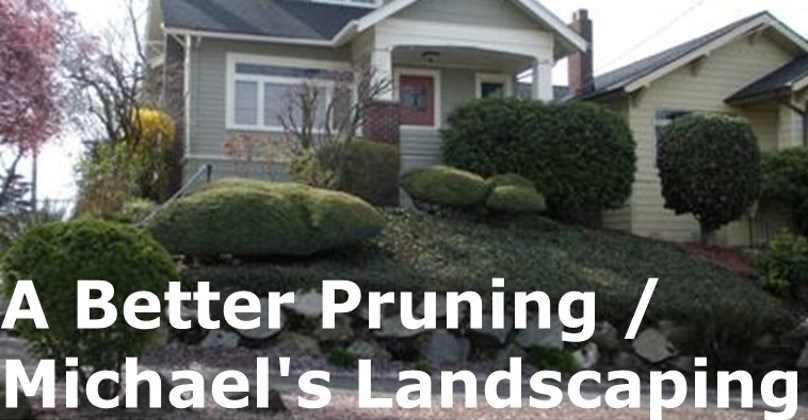 Michael's Landscaping-A Better Pruning
Independent Pest Solutions was the first contact me after I submitted the request, and were able to send someone out to treat the yellow jacket hives near my house the same day. These were two hidden hives, the size of which was not known. They treated both, and let me know that if I...
From average costs to expert advice, get all the answers you need to get your job done.
If you discover a wasp nest near your home, you’ll want to remove it ASAP. Learn about wasp nest removal costs in Seattle, WA in this guide.
Find out the average leaf removal cost in Seattle, WA. Learn what you can expect to pay for local yard clean-up services and get your lawn ready for winter.
Find out the average tree stump removal cost in Seattle, WA. Learn what you can expect to pay for local stump grinding and clear your yard today.
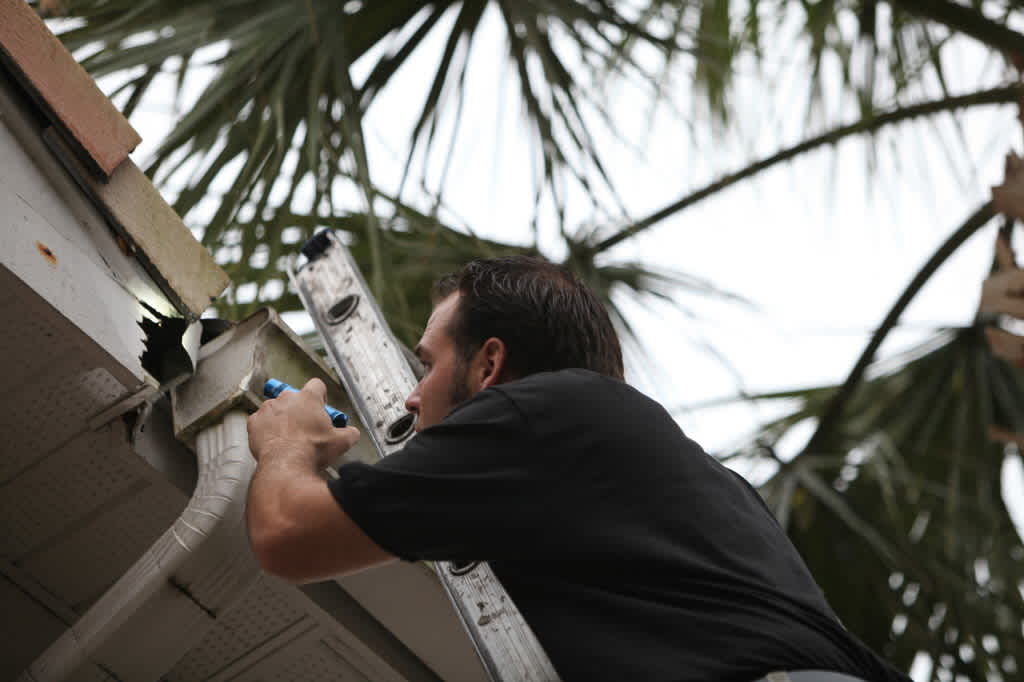
Compare wildlife removal pros for bat and bird removal. Learn who to hire, humane methods, timelines, and what to expect to protect your home.
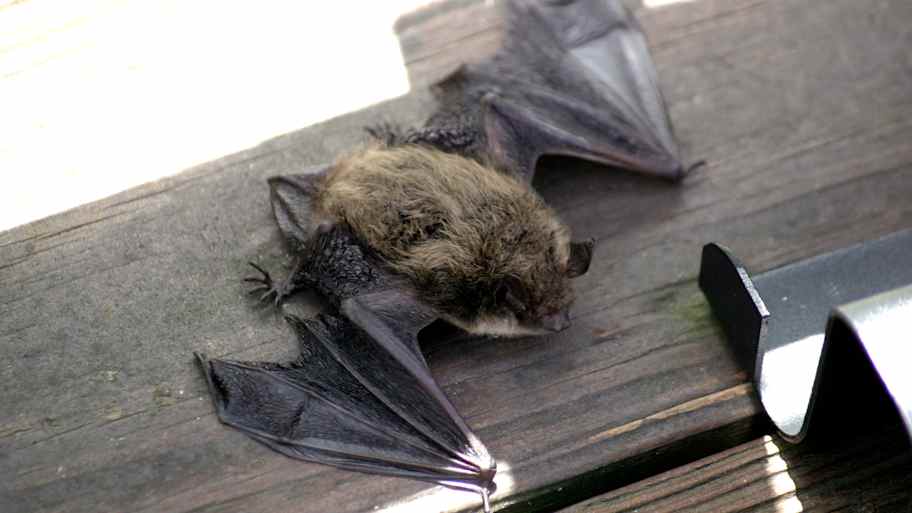
Looking for bird and bat removal help? Learn how to hire qualified wildlife control operators, questions to ask, and what to expect from pros.
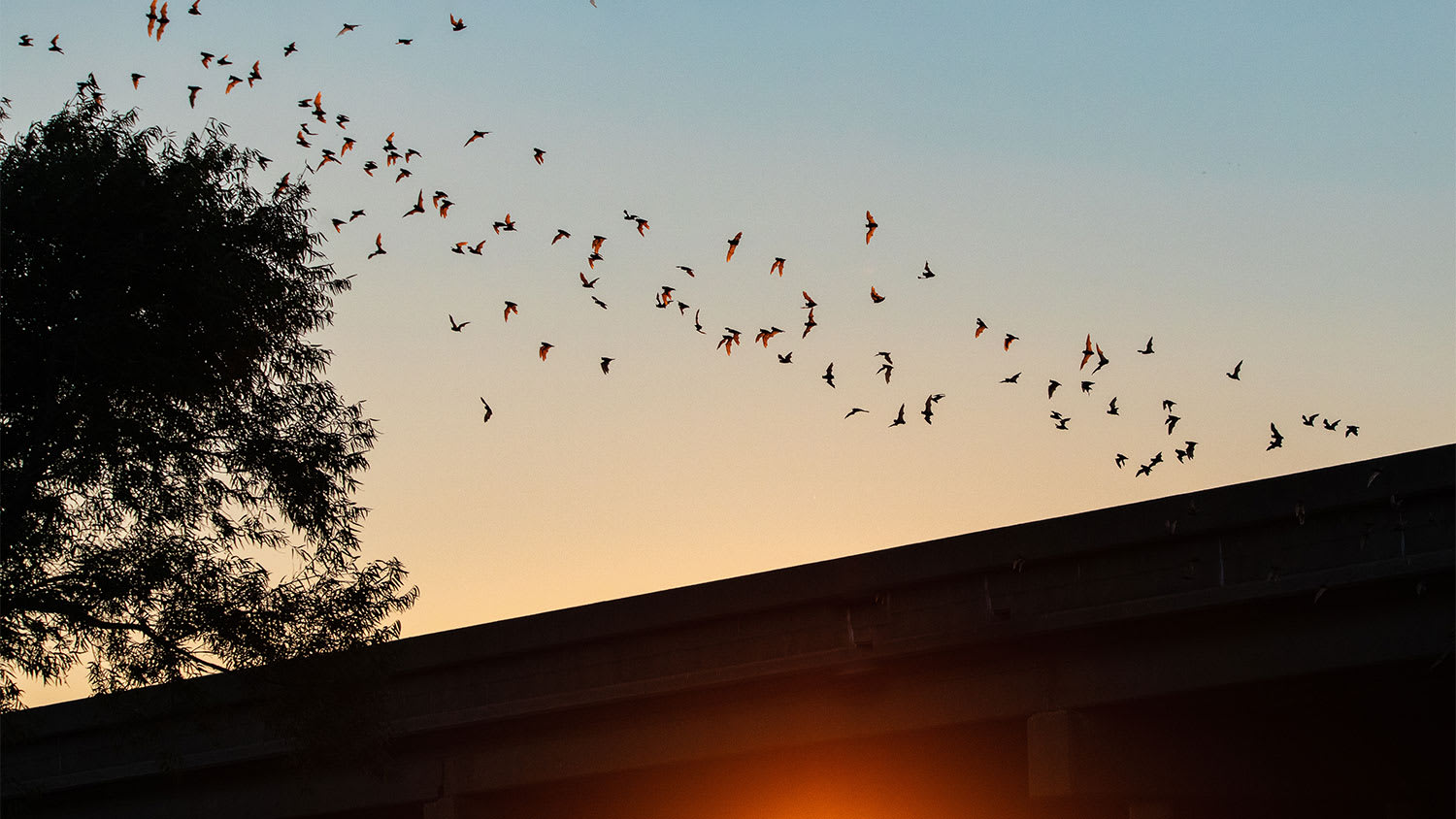
Bats love to roost in your attic, walls, and throughout your property. Here are some tips on safely and humanely removing them from your home.