



The cost to remove a groundhog can vary depending on where you live and whether you do it yourself or hire a professional. We’ll help you figure out the true cost of groundhog removal, along with strategies for humane trapping and release.
Getting your seeds totally covered is a cardinal rule


A common challenge among gardeners and homeowners is keeping birds from eating grass seed before your lawn gets a chance to sprout. An unprotected lawn with fresh seeds is a welcoming buffet to birds, and their paradise often becomes our frustration.
Preparing the soil and sowing your seeds is the first step, but what you do after determines whether your seeds take root or you need to start the process all over again by reseeding or calling professional bird control near you. Combine the following six tactics strategically for the greatest possible effect.
Bird netting is a super effective way to safeguard your seeds. It acts like a wall, preventing the birds from getting at your lawn as they can’t fit their beaks through the netting or pull seeds up through it. Bird netting is our top choice for humane tactics, but ensure it is securely flat to the ground with no ruffles, as birds can otherwise sneak their way underneath.
Aluminum plates, mylar bands, fake owls, scarecrows, and other items can sometimes work to keep birds away. Birds will typically steer clear of shining objects they don’t know. If you choose to use deterrents that resemble predators—or people—make sure to move them around as much as you can, at least once every other day. Birds will know if something hasn’t moved in a while and eventually will fail to register your deterrent as a threat.
Placing straw or mulch over your grass seeds isn’t the most effective way to protect your new grass, but it’s the most common. It’s cheap and easy to spread, and many DIYers can protect their seed with a few bales of hay or a truck bed full of mulch. The layer over your seeds can also help them germinate, as it creates a moisture barrier around the seed.
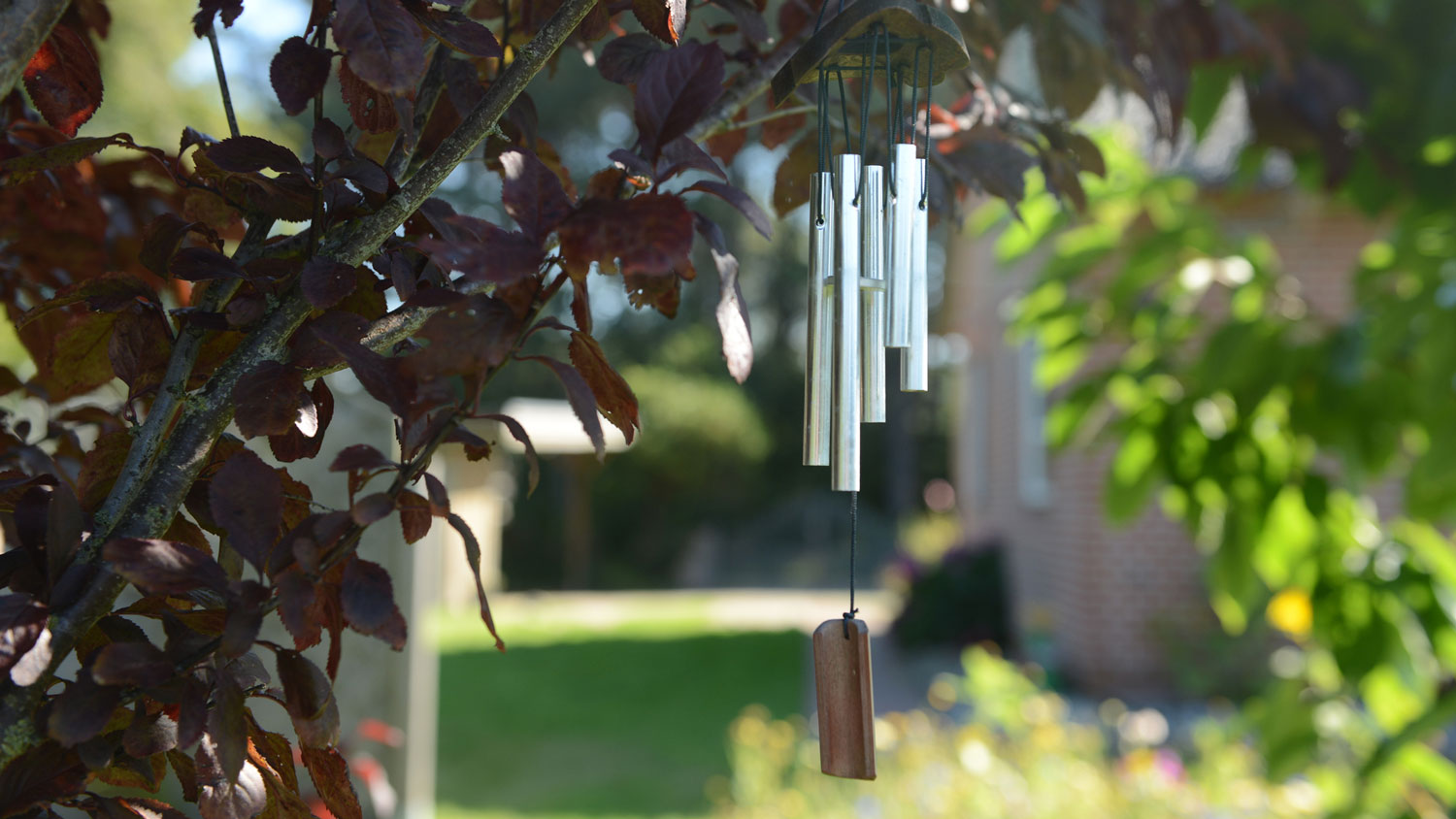
Instead of getting rid of birds, do your best to keep them away in the first place. This one depends on how well you get along with your neighbors and may be best for those with lots of land. Birds, due to their survival instinct, can get scared rather easily. If you don’t mind random loud noises like a cannon going off or a hawk screeching, consider installing a sound machine to protect your seedlings. For those who like their peace and quiet, windchimes might be enough to shoo birds away.
If you are concerned some of the other methods in this list won’t work, you may need to resort to sneakier tactics in order to protect your new lawn. If birds have a food option that never runs out, is easy to access, and tastes great, they’ll choose it every time. Hang two or three bird feeders at the edges of your growing area. You can even bird watch if you like while your grass quietly grows without issue.
Sometimes, repellent is coated on your seeds. Other times, you’ll need to purchase the liquid and spread it yourself. It’s important to note that bird repellent isn’t poison. It just makes the seeds unappetizing. Think of it like this: If your favorite food was suddenly extremely bitter, would you still eat it? Our guess is probably not, so seeds coated with bird repellent can be an excellent secondary method of keeping them from being eaten.
You can remove an inactive bird’s nest on your own as long as you can safely access it. Just wear protective clothing, including gloves, and keep a plastic bag on hand for disposal. Don’t try to remove an active nest on your own, though, which is illegal following the Migratory Bird Treaty Act of 1918 (as long as the birds are native).
Some spray bird repellents are safe for human, pet, and bird use. Birds also cannot stand peppermint oil or anything spicy, like chili oil and cayenne pepper. Some say that birds dislike the feel of baking soda on their feet, but it isn’t realistic to cover your lawn with baking soda. Bird repellents use strong scents to keep the animals away and should be removed once your lawn has grown past the seed stage.
You should also never attempt to remove an actual bird on your own. This is a job for a professional who knows the proper methods to get the job done and is aware of local statutes and regulations regarding wildlife removal. Many species are protected throughout the year, and others are protected during nesting season. In other words, hire a pro to remove a live bird or a family of birds. They’ll take appropriate steps to save your precious grass seed without violating bird protection laws.
Removing a bird costs anywhere from $100 to $300, depending on the type of bird and how accessible the animal is. Removing a bird nest costs a bit more at $600 on average. The cost to remove a bird fluctuates for a number of reasons. If it’s a protected species or an uncommon species, that’ll raise the price. It’ll also be more expensive if the bird is located in an inaccessible area, like near the top of a tall tree.
Our office has a new lease on life, thanks to Custom Paint Jobs LLC. Outstanding work!
 Custom Paint Jobs, LLC
Window Depot did an amazing job on my deck. I wasnt sure what I wanted to do, but their composite decking was affordable and will last a long time. I am excited to have family over, and I am no longer embarrassed by my backyard. Jeff and the ground crew were polite, respectful, and caring for...
 Window Depot USA of Central Ohio
Jeff was a consummate professional. Responsive, courteous, and focused on meeting our needs. I had a small project of installing and replacing two ceiling light fixtures. He responded to my Home Advisory inquiry within 24 hours and in a span of two weeks our light fixtures were installed. ...
We used Unique Hardwood Floor LLC three years ago to work on the floors of a 70 year old home that needed a great deal of work. Some floors needed repairs, some were replaced and others just needed to be refinished. It was a complicated job as they needed to blend the old and the new to...
 Unique Hardwood Floor LLC
Lyle did a great job removing asbestos shingles from our front porch roof. They worked together with our roofer to make sure that the new roof was able to be installed on the same day that Lyle removed the asbestos shingles.
 Lyle Environmental
Involved an extensive bathroom remodel, including removing tub & installing walk in shower, new drywall, custome tile work to ceiling, plumbing, etc. Overall, job was done on time and on budget. Nick & his team were very professional and had high attention to detail. Quality was great. Highly...
Extremely well. Ohio Tree Care is my go to company for all tree care and snow removal services. they are professional, knowledgeable and affordable. I manage five camps in 33 counties and Ohio Tree Care has serviced every one of our properties. Highly recommend.
 Ohio Tree Care Inc
From average costs to expert advice, get all the answers you need to get your job done.
The cost to remove a groundhog can vary depending on where you live and whether you do it yourself or hire a professional. We’ll help you figure out the true cost of groundhog removal, along with strategies for humane trapping and release.

If iguanas are plaguing your home and destroying your property, proper removal is key. Learn the costs to expect from an iguana removal service.

When calculating fox removal costs, factor in whether you take a DIY approach or call in the pros, the number of animals involved, and the location.

Wondering how to get an animal out of your chimney? There are a few different strategies depending on the type of animal. Find out what to do.

Skunks may look cute, but they’ll make you smell like a rotten egg for a week. Here’s who to call to remove skunks from your yard or home.

When you need to know who to call for possum removal, these are the best wildlife removal professionals who can do the job humanely and legally.