




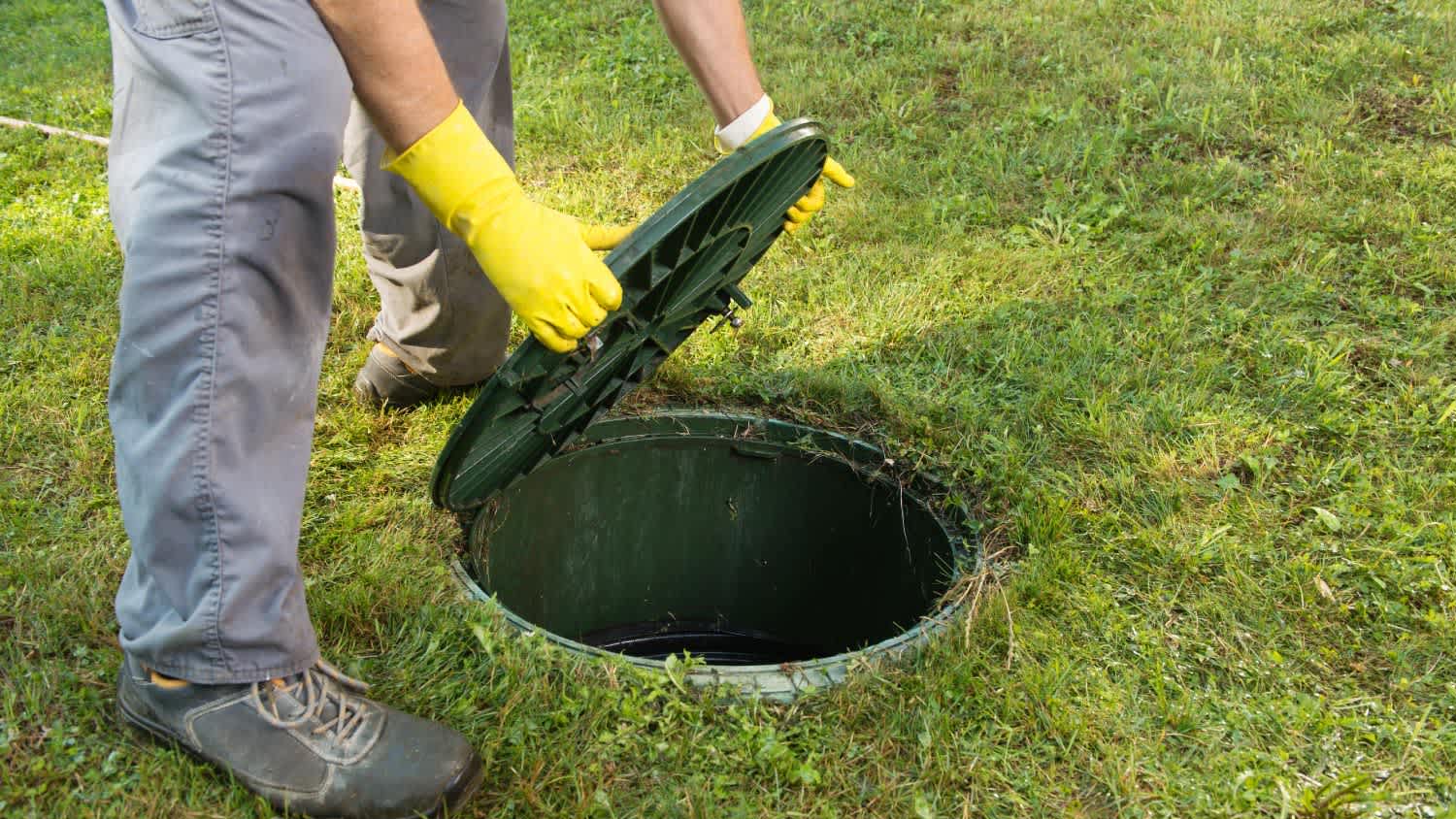
Top-rated percolation testing pros.

Get matched with top percolation testing pros in Stanardsville, VA

Enter your zip and get matched with up to 5 pros

Need a pro for your percolation testing project in Stanardsville, VA?

Select your specific project to find the pro for you.

TRUSTED BY STANARDSVILLE, VA HOMEOWNERS

  • Average homeowner rating star icon4.2
    Average homeowner rating
  • Verified reviews icon324
    Verified percolation testing services reviews

Find Percolation testing pros in Stanardsville

No results for Percolation testing pro in

Try adjusting your search criteria.
Percolation Tests questions, answered by experts

Asbestos has many beneficial properties, including fire resistance, strength, and chemical resistance. It is also an excellent insulator, which is why it was used in pipe insulation and other building materials for decades. For all its benefits, asbestos is dangerous for human health, which is why it was eventually banned from use in certain products.

No, you do not have to worry about new popcorn ceilings having asbestos. All residential building materials used since the mid-1980s stopped including asbestos, so new popcorn ceilings have no risk of asbestos. You can still create a textured drywall ceiling with a popcorn texture if you like, but new techniques have no risk of adding asbestos. 

No, an N95 mask will not protect against asbestos and many other hazardous materials, such as carbon monoxide, gas, chemical vapors, and other gases. You will need a respirator specifically designed to protect against asbestos. However, if you suspect asbestos is present in your home, hire an asbestos abatement professional immediately and avoid the area until they arrive for the inspection.

Unlike some home problems, such as water damage or pest infestations, asbestos can be very difficult to spot. Asbestos is a mineral in the form of microscopic fibers and was previously used in building materials for its bonding and fireproofing abilities. Insulation, roof shingles, ceiling tiles, floor tiles, pipe wrappings, soundproofing materials, and textured paint features like popcorn ceilings are common sources of asbestos, particularly in homes built before 1980.

Age is perhaps the biggest indicator of asbestos, as legislation passed in the 1970s labeled asbestos as dangerous and regulated its use in building materials. Signs of age in the form of wear and tear or material degradation are also indicators that asbestos fibers may be leaking into the air, but ultimately, it’s difficult to detect with the naked eye. If you have reason to suspect asbestos in your home, it’s best to hire a certified asbestos inspector.

Epoxying over asbestos tiles is generally considered a safe option when done correctly. Epoxy acts as a sealant, encapsulating the asbestos tiles and preventing the release of asbestos fibers into the air. The key is ensuring that the asbestos tiles are in good condition, firmly adhered to the substrate, and not damaged or deteriorating. This method is only appropriate for tiles that are undamaged and securely in place. If the asbestos tiles are already loose, damaged, or deteriorating, encapsulating them with epoxy may not be a sufficient solution, as it might not address the potential for ongoing asbestos exposure.

The Stanardsville, VA homeowners’ guide to percolation testing services

From average costs to expert advice, get all the answers you need to get your job done.