

Most building projects and septic installations require soil testing to ensure proper drainage. Learn how much a perc test costs and what affects costs.
Don’t start digging before you get the results

A perc test measures how quickly your soil absorbs water, helping determine if your property can support a septic system and drain field.
Expect to pay $1,400 on average for a professional perc test, with costs ranging from $750 to $1,850 depending on your property size.
Soil percolation rates between 5 and 60 minutes per inch work well for traditional septic systems, while faster or slower rates need alternative solutions.
Hiring a local septic tank professional keeps your installation on track by conducting accurate perc tests and navigating local building regulations confidently.
Even if you’re an experienced DIYer, adding a septic system to a property is a job best left to experienced professionals. But even they can’t just start digging in your backyard right away. Aside from permits, they will need the results of a percolation test—often known simply as a perc test—to determine whether the soil is ready to have such a large and important system installed. Here’s what you need to know about a perc test for septic tank installation.
So, what is a perc test for septic systems? A perc test measures the absorption rate of the soil in the proposed location of the new septic tank.
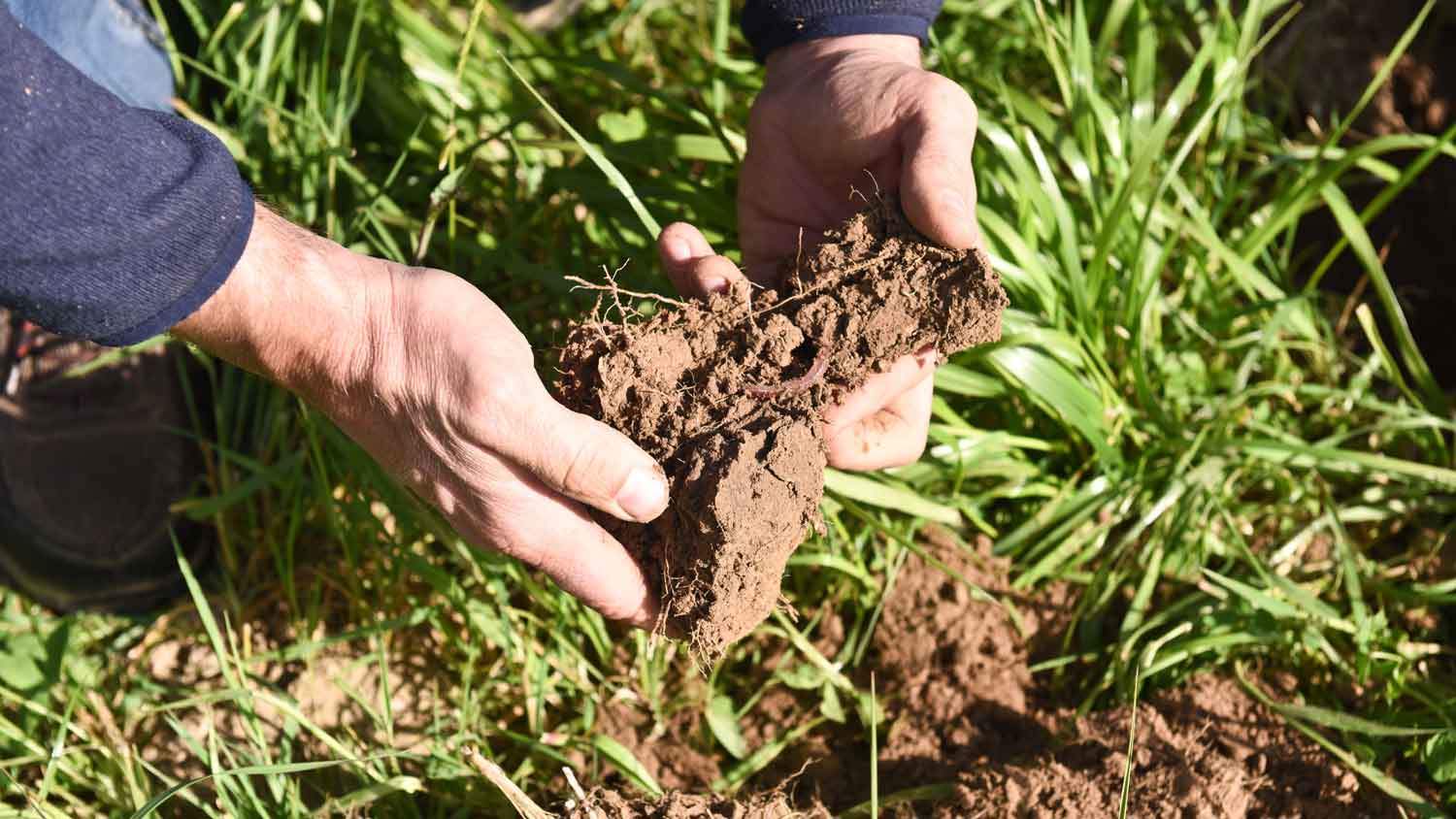
Perc tests involve digging holes into the soil and filling them with water to see how much time it takes for the water to drain into the surrounding soil. The holes are 6 to 12 inches wide and 2 or 3 feet deep—the size of the absorption trenches that will be in the drain field.
When a septic tank receives wastewater from the home, the solid waste sinks to the bottom. The liquid wastewater that rises to the top is treated and then released into the drain field located next to the septic tank. Here, the organic material is absorbed into the soil. If the soil can’t absorb the organic material at the proper rate, it’s bad news for your septic system.
This is why the perc test is a must before attempting to install a septic tank on any property. Imagine—or rather, don’t imagine—the expensive mess that would result if a septic system was installed in soil that failed a perc test! It’s no wonder, then, that many municipalities require a perc test before you replace a septic system or install a brand new one.
The average cost for a perc test is about $1,400, though it can range between $750 and $1,850. If you have a large piece of property, it might even soar to $3,000, given the size of the proposed drain field as well as any local building regulations that might affect how and where you install your septic system.
If you’re ready to start the process, the next question you’re probably asking is, “Who does perc tests for septic systems?” For the most reliable results, a perc test should be left in the capable hands of your local septic tank company, local perc test company, or even a land surveyor who is well-versed in building permits in your region.
More complex perc tests are conducted over multiple days and include presoaking the soil and filling the holes partially with gravel before adding water. Then, the tester takes measurements every 15 minutes to every half hour to calculate the rate of percolation—that is, the amount of water put into the hole divided by the time it takes to drain into the soil.
The best time of year to conduct a perc test is when it’s dry, often at the end of summer toward the start of winter. You will want to ensure that the soil’s water table is at a minimum, and it makes sense, of course, that drier soil will absorb water better.

Soil absorption rates will vary from region to region based on the actual composition of the soil. The percolation rate is usually measured in MPIs, or minutes per inch of water drop.
Below 5 MPI: Highly permeable soil. Alternative wastewater treatment systems might be permitted.
5 to 60 MPI: A traditional septic system with a drain field is allowed.
60 to 120 MPI: Low-permeable soil. Alternative wastewater treatment systems might be permitted.
Above 120 MPI: Very low-permeable soil. Enhancements with alternative wastewater treatment systems are allowed only under certain conditions.
Depending on your local building regulations, the max MPI might be anywhere between 30 and 120. It might seem odd that there’s a possibility of water being absorbed too quickly, but when it comes to wastewater, it must be efficiently treated first before it is released into the leach field to be discharged as groundwater.
Even with similar types of soil, property features vary and can affect the perc rate:
Slope: Land doesn’t have to be completely flat to install a septic system, but it should have a grade of no more than 20% to 30%.
Filled land: Native soil is the best option for septic systems, though there are instances where engineered fill lands are deemed acceptable.
Flood zones or wetlands: These areas are known for poor drainage and are not a good fit for septic systems.
Site drainage: If soil is the site of rain or snow runoff, the septic system is at risk of flooding or erosion.
Now that you know the importance of a perc test, you might think that you’re in trouble if the soil on your property fails one. This isn’t necessarily true. Here are some options if you’re dealing with a failed perc test for a septic system:
It never hurts to have a second test done. It also helps to talk to another professional with knowledge of the water table in your area to see what your options are.
If the property is large enough, you can move the septic system to a better location. If not, you might have the option of installing it even deeper in the earth, where the soil has a better rate of absorption.
Provided you are not in a rural or remote area, you might explore the option of connecting to the public sewer system in your area.
To counter a slow perc rate, perhaps you might need a larger septic tank that can hold more waste until it properly seeps into the leach field. Or, you might have to install an additional treatment system to work with your septic tank to ensure proper draining.
This is not an exhaustive list of alternatives should your soil fail a perc test. Be sure to consult with a building professional or your local septic tank company to see what other options you have for treating wastewater on your property.
You can do a perc test yourself if you’re really curious, but you may be wasting time. If you’re planning to have a septic system installed, your local municipality will likely require a professional-led inspection before you can legally start the job.
For a DIY perc test, follow these steps (but remember that your at-home test likely won’t be enough to meet the strict legal requirements for septic installation):
Dig a hole in your yard that’s about 1 foot in diameter and 1 foot deep.
Fill the hole with water a few times to fully saturate it.
Fill the hole up completely with water and mark down the exact time you did so.
Use a measuring tape to see how many inches of water are in the full hole.
Return to the hole after 30 minutes and use your measuring tape to check the water level, writing down the initial fill level beside the fill level after 30 minutes.
Subtract the starting water level from the water level after 30 minutes (make sure your numbers are both in inches).
Divide 30 (for the 30 minutes you waited) by the answer you got after your subtraction above.
After following these steps, you’ll have your minutes per inch rate. Anywhere from 5 MPI to 60 MPI is good percolation for most types of septic systems.
I recently moved to another state and chose United Trust Van Lines after comparing several companies. Their team was punctual, professional, and extremely careful with my belongings. I was especially impressed with how they handled my home office setup and fragile items. Everything arrived on...
 United Trust Van Lines, LLC
Positive experience. As previously stated, the replacement/repair could not be completed (no fault of the plumbing tech) b/c misinformation was rec?d by property management maintenance. Thanks to the plumbing tech for your efforts. Appreciate you!
 The Waterworks
As usual with ECO, tech Jordan was outstanding, very professional, very knowledgeable, and very thorough with repairs made to tankless water heaters. Very highly recommend ECO!!!
 Eco Plumbers, Electricians, and HVAC Technicians
I would recommend this company to anyone! He showed up on time, was friendly, completed a very difficult repair on our dryer vent cover, was responsive, and pricing was extremely fair and competitive. I would have him back to do any of our repairs or cleanings without hesitation!
 U.S.A. Dryer Vent, LLC
Best cleaning I've had at my property
I'm a repeat customer of All Star Paving & Sealing and I appreciate the service that all start paving has done for me in the past. I just recently had them out for an estimate and things couldn't have gone better. The staff that they send out to do the estimates are very knowledgeable. The...
 All Star Paving and Sealing
Supreme Brick & Chimney is one of the best service providers I’ve interacted with. Extremely efficient, knowledgeable, and thorough. They took the time to walk me through their detailed full-service inspection and were extremely professional. Not to mention their turnaround time was...
 Supreme brick & chimney
They were great! They were thorough and efficient and paid attention to the details. Definitely recommend. I'm definitely going back!
 FIFI'S EARTH FRIENDLY CLEANING
Storms Mobile Welding was great to work with. They were prompt, professional and did an overall excellent job on the project. I highly recommend.
Great experience all together. Dog friendly, courteous, great results and honest with recommendations. Will certainly be using Cardinal in the future for any carpet repairs
 Cardinal Carpet Care & Repair
From average costs to expert advice, get all the answers you need to get your job done.
Most building projects and septic installations require soil testing to ensure proper drainage. Learn how much a perc test costs and what affects costs.
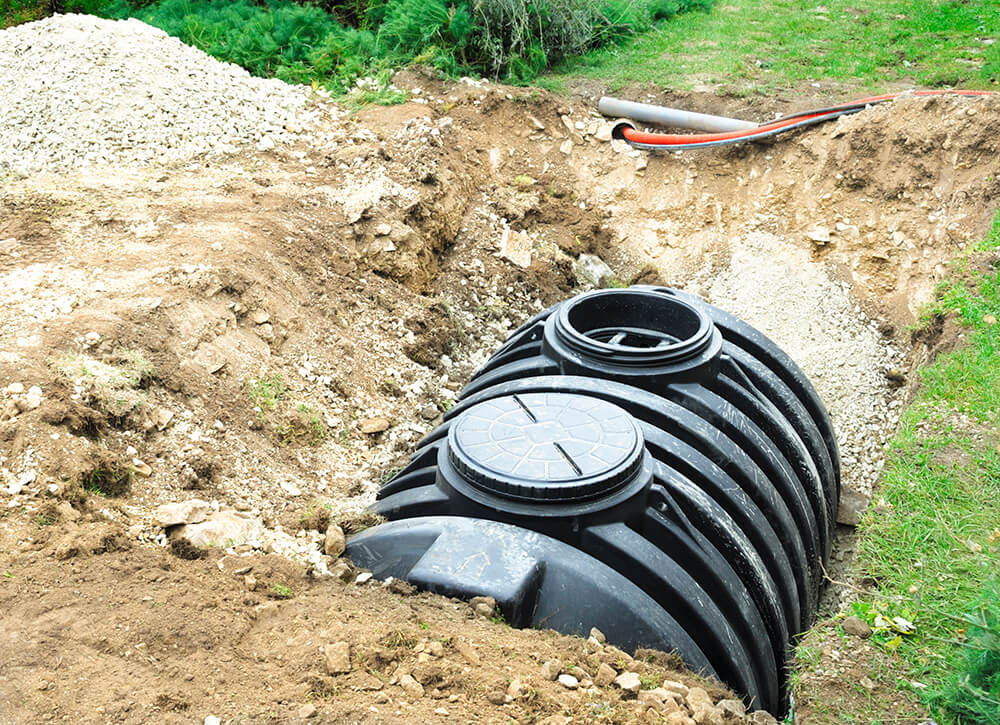
How much does a septic system cost? Explore impacting factors, important add-ons, and how you can save money on septic system installation right here.
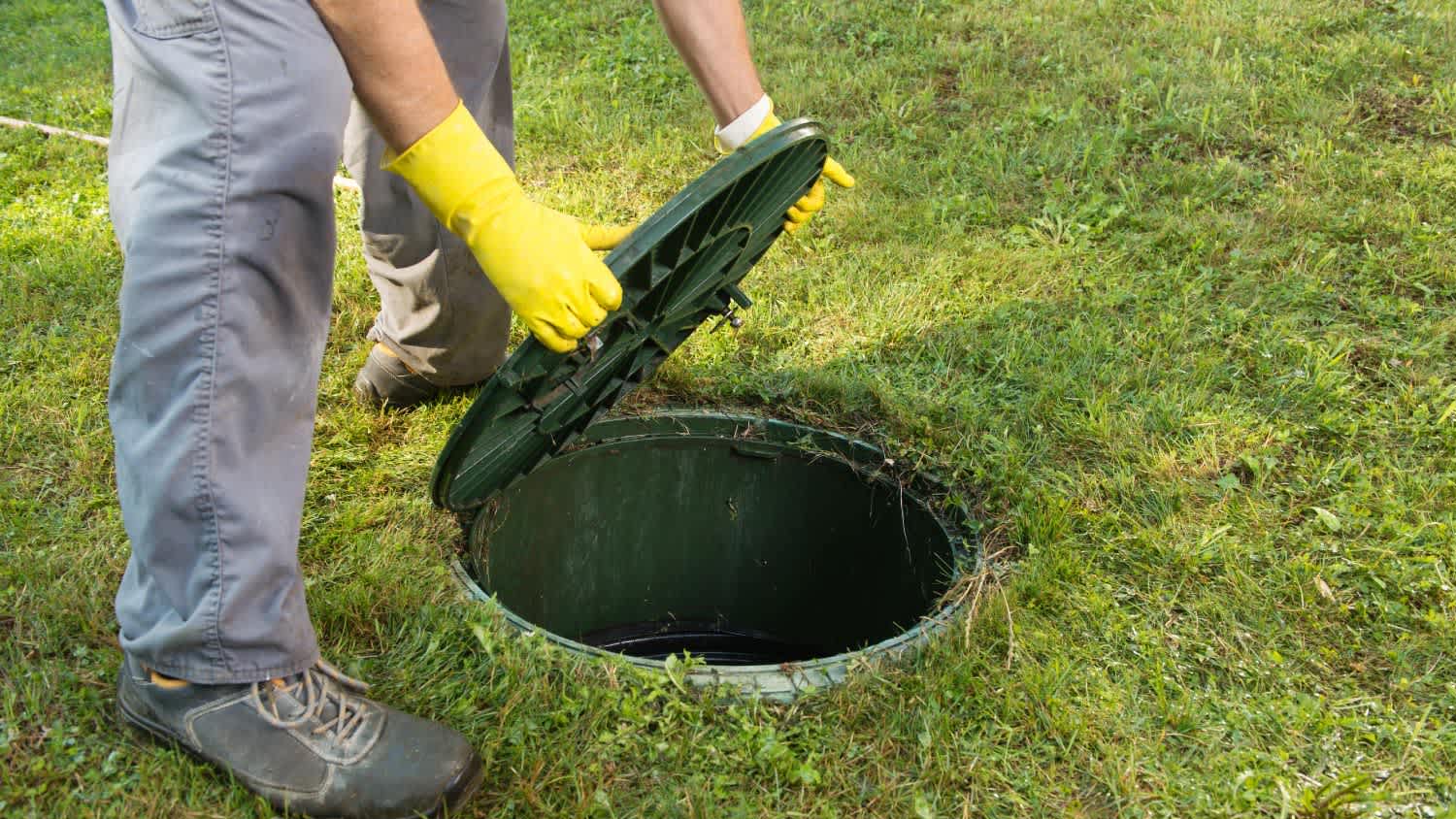
The cost of converting a cesspool to a septic system depends on factors like labor, complexity, and materials. Use our guide to estimate your budget.
Planning a new septic system? Learn about perc testing costs, soil drainage requirements, and how to hire the right local pro for your property.
Getting the right pro for your perc test is crucial for getting legal approval for your project. Learn who does perc tests to ensure an official result.

If your plot isn’t connected to a sewer line, you’ll need a perc test to build. Learn what to do if your land fails a perc test and some options you have.