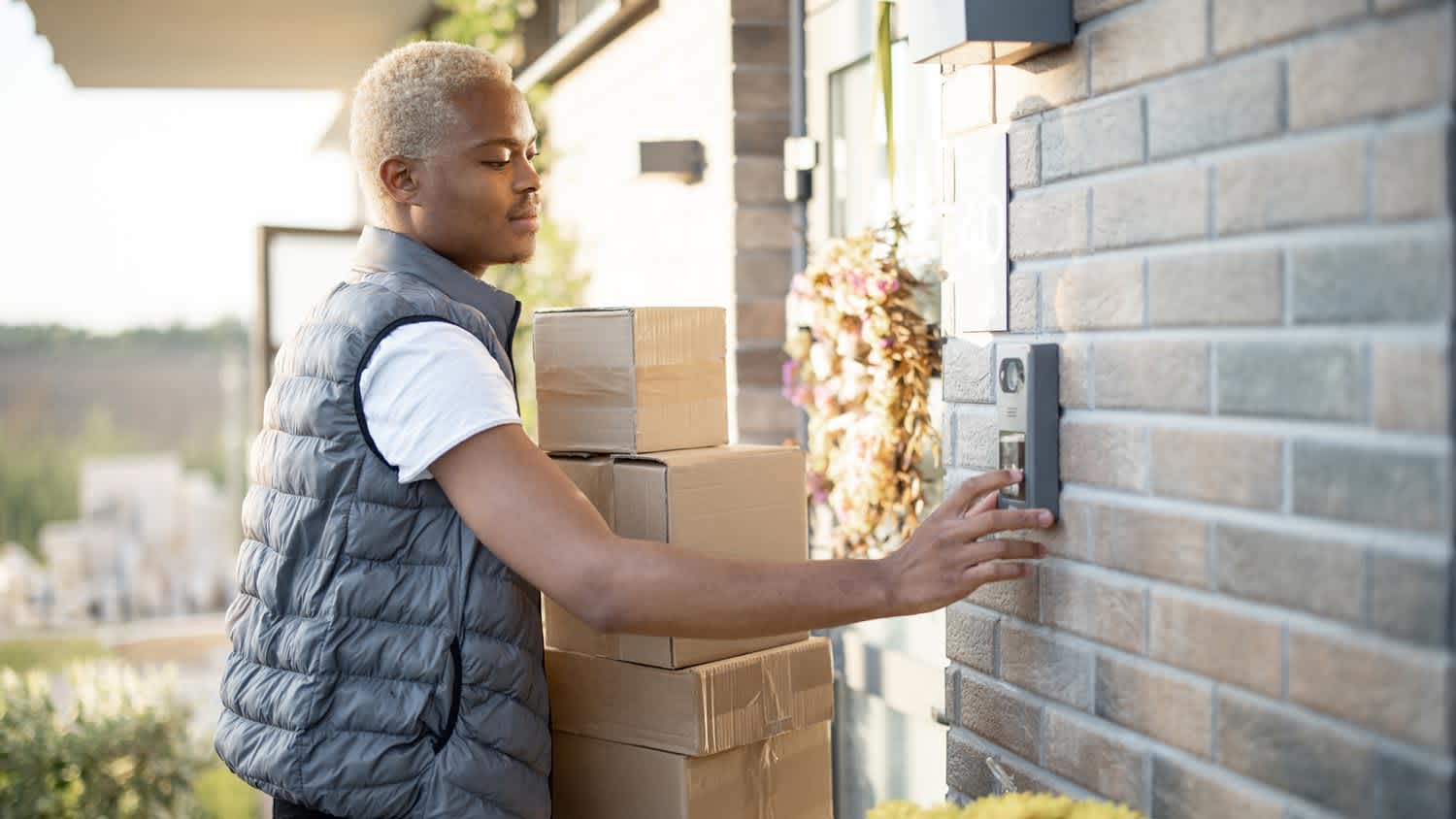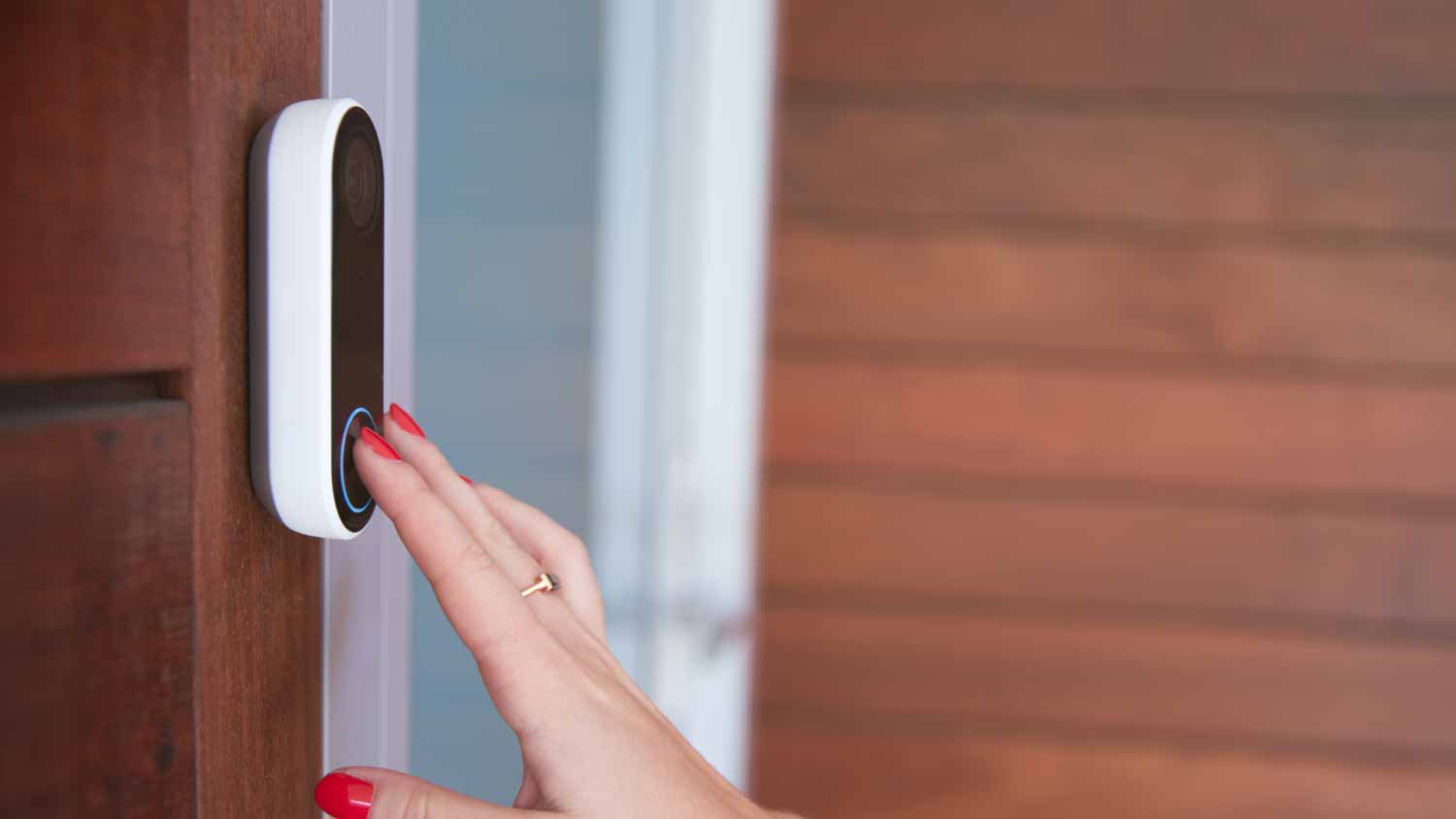



Top-rated doorbell installation pros.

Best doorbell installation pros near Merrifield, VA

Enter your zip and get matched with up to 5 pros

Need a pro for your doorbell installation project in Merrifield, VA?

Select your specific project to find the pro for you.

Top-Rated Doorbell installation pros in Merrifield - Updated Nov 2026

No results for Doorbell installation pro in

Try adjusting your search criteria.
Doorbell Installation FAQs, answered by experts

If you’re a savvy DIYer around the house, own the basic tools, and have enough time on your hands, you can definitely install fiberglass insulation yourself. Doing the work yourself will certainly keep overall insulation costs down. However, if you’re not confident in your handy skills around the house, call in a professional.

When installing board and batten siding, make sure there is wall sheathing and a moisture-resistant barrier installed. Behind that sheathing should be plywood or OSB for you to nail the boards and battens into. If there isn’t plywood or OSB, you can install vertical furring strips at 1½- to 2-foot intervals to nail the boards and battens to.

While insulation is required for all exterior walls in a house, it is not typically required for interior walls. Local and state building codes mandate that new construction homes have adequate insulation in exterior walls and ceilings to suit the local climate.

However, there are several benefits to adding insulation to interior walls. It is excellent for sound-dampening between rooms and can help with temperature control by maintaining a regulated temperature in specific rooms and lowering heat transfer between adjacent areas. Insulating interior walls can also contribute to the overall energy efficiency of your home.

The best type of insulation for your home depends on your specific needs, climate, and the area you are insulating. For new construction, structural insulated panels are a highly energy-efficient option that is easy to install during the building process. In very warm climates, reflective insulation can be a cost-effective choice. For cold climates, fiberglass is an excellent option due to its high R-value and resistance to settling over time. Spray foam works well in humid environments because of its moisture-resistant properties. For standard attics, loose-fill, spray foam, or blown-in insulation are all suitable options.

On average, insulating an attic costs about $2,500, with a typical range of $1,500 to $3,500. The final price often depends on the attic's size, with costs generally falling between $1 to $3 per square foot. For example, insulating a 1,800-square-foot attic would likely cost between $1,800 and $5,400.

If the project involves removing old insulation, this can add an average of $900 to the total cost, bringing a full removal and reinsulation project to around $3,000.

Several factors influence the overall cost:

  • Insulation Type: Prices per square foot vary significantly by material.

  • Reflective: $0.50–$1.50

  • Blown-in: $1–$4

  • Batt: $2–$4

  • Loose-fill: $2–$5

  • Spray foam: $2–$5

  • Structural insulated panels (SIPs): $4–$7

  • Project Complexity: Factors like sealing air leaks, poor attic accessibility, and required inspections can add to the cost.

  • Removal Issues: The discovery of mold, asbestos, or pests during the removal of old insulation can substantially increase the price.

The Merrifield, VA homeowners’ guide to doorbell installation services

From average costs to expert advice, get all the answers you need to get your job done.