

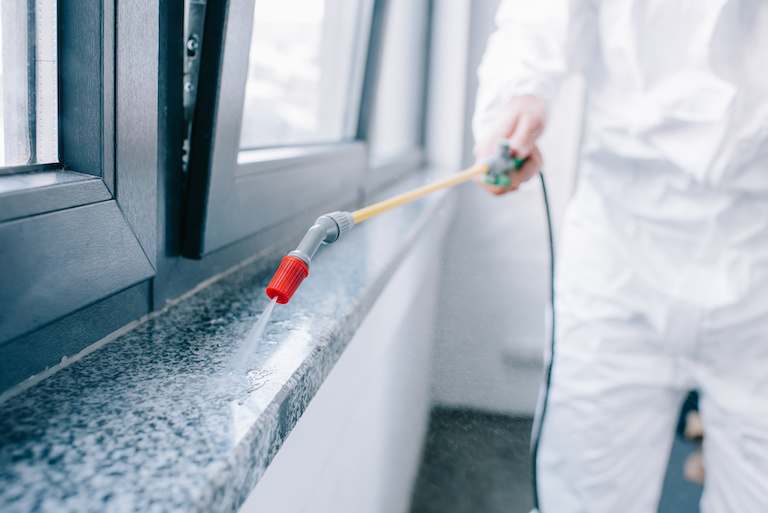
Whether you have bugs, bats, or rodents invading your home, you’ll want to contact an exterminator quickly. Find out how much pest control costs.
Pest control costs depend on your project and location. Check with a local pro for your specific job.

Your professional pest inspection costs $125 to $450, based on inspection type and your home’s size.
Your location affects which pests threaten your home, and lenders require specific inspections for your mortgage loan approval.
You should budget $150 to $2,000 for follow-up inspections or termite bonds, plus any needed pest treatments.
Hiring a pest inspection professional finds termites, rodents, and moisture issues and provides paperwork for your sale or refinance.
In 2026, the national average cost for a pest inspection is $200. Most homeowners pay between $125 and $450, depending on inspection type, home size, and location. Budget $150 to $2,000 for follow-up inspections or termite bonds, plus any pest treatments your home may need.
During a pest inspection, the inspector will look for both signs of an existing pest problem—such as piles of wings, tunneling, dropping, and damaged wood—and indicators of future pest issues, including moisture problems and construction concerns.
A thorough inspector will check the following:
Every room in your house, including baseboards, floorboards, cabinets, and closets
Roof voids
Subfloors and crawl spaces
Stumps and even living greenery
Fences and retaining walls
Decks and porches
Sheds, garages, and other outbuildings
When the pest inspector has finished, they’ll detail their findings and recommendations for treatment or preventative measures with a thorough pest inspection report.

A pest inspection typically costs between $125 to $450, with the final price driven by factors like inspection type, home size, and location. Understanding these factors helps you anticipate costs and choose the right inspection for your situation.

The type of pest inspection you need determines both its purpose and its cost, with many lenders requiring specific inspections before approving a mortgage or refinance loan. Here is a breakdown of common pest inspection types and their average costs:
| Pest Inspection Type | Average Cost in 2026 |
|---|---|
| Wood-destroying organisms | $150 |
| Termite letter or report | $150 |
| Termite bond | $500–$2,000 |
| VA loan | $50–$150 |
| FHA loan | $100–$200 |
| Conventional loan | $160–$170 |
| CL-100 | $160 |
The main types of pest inspections and their associated costs include:
Wood-destroying organisms (WDO): Targeted at all wood-destroying organisms, including termites, certain fungi, and carpenter ants, WDO pest inspections are a common lender request, and they average $150.
Termite letter/report: Targeted solely at termites, termite inspections are standard requirements for most lending companies and loan types. This inspection and subsequent report verify that a home doesn't have an infestation. Depending on the type you need, a termite inspection cost is about $150.
Termite bond: If a home has a termite infestation but the buyer still wants it, lenders often require a termite bond before the sale can proceed. Averaging between $500 and $2,000, termite bonds function as a game plan for termite extermination and prevention.
Veterans Affairs (VA) loan: For approval of a VA loan, lenders usually require a pest inspection to check for existing or potential issues at an average cost of $50 to $150.
FHA loan: For the approval of an FHA loan, you only need a pest infestation if there is already evidence of an active infestation if mandated by the state, or at the lender's discretion. The average cost is $100 to $200.
Conventional loan: Some states may require the home to undergo a pest inspection with an average cost of $160 to $170.
CL-100: Averaging at $160, this type of pest inspection is only applicable to homes in South Carolina as they're subject to a variety of damaging pests. A number of other states, mainly southern, may also require a pest inspection report in certain cases.
How often your home needs pest inspections directly affects your total annual costs, with more frequent inspections adding up over time. Some pest control companies offer ongoing service plans that bundle multiple inspections per year, which can lower the per-inspection rate. If your home or region has a higher pest risk, a bundled maintenance plan may offer better long-term value than scheduling individual inspections.
The size of your home and property is a key factor in determining your pest inspection cost. Larger homes take more time to inspect thoroughly, and that additional time is reflected in the inspector's invoice. If you have a large lot with outbuildings, sheds, or extensive landscaping, expect your inspection to take longer and cost more.
Where your home is located shapes which pests pose the greatest risk and influences what type of inspection you may need. Homes in rainy and humid climates are more likely to face cockroaches and termites, while cold climates drive pests and rodents indoors seeking shelter. Regions with higher pest pressure or state-mandated inspection requirements can also affect both the type and cost of inspection required.
Pest inspection companies set their own rates based on factors like experience, local demand, and the scope of services offered. Because rates vary from one company to the next, it is a good idea to collect a few quotes before committing to a booking. Comparing multiple providers helps ensure you get a thorough inspection at a fair price for your area.
Beyond the inspection itself, your circumstances may lead to additional pest-related expenses that are worth budgeting for in advance. Even a clean inspection can prompt recommended treatments or preventative repairs, and a positive finding will almost certainly trigger follow-up costs. Knowing what to expect helps you plan financially before the inspector ever sets foot in your home.
In some cases, the circumstances of the inspection can affect the end cost. Home sale pest inspections, for example, are meant to verify the state of the home to the buyer and lender.
These inspections carry greater weight since they can result in the cancelation or renegotiation of a deal. Because of this, they tend to be slightly more expensive on average than annual preventative pest inspections that are meant to recommend maintenance services.
If your pest inspection uncovers an active or potential infestation, pest control costs are the next expense to plan for, and they vary widely based on pest type and severity. Treatment can range from simple trap placement or nest removal to full building fumigation that requires you to temporarily vacate your home. Here is a look at average cost ranges by pest type:
| Pest Type | Average Cost Range in 2026 |
|---|---|
| Ant extermination | $80 – $500 |
| Bee removal | $150 – $500 |
| Bed bug extermination | $350 – $6,150 |
| Cockroach extermination | $100 – $8,000 |
| Mosquito control | $100 – $600 |
| Flea extermination | $75 – $400 |
| Rodent removal | $200 – $2,500 |
| Termite treatment | $70 – $1,530 |
After pests and infestations are gone, you'll need to repair any damages they may have caused to the home to maintain its state and prevent future pest issues. Costs can vary widely depending on the type of pest, severity of infestation, and the extent of the damage.
Pest inspectors will examine the inside and outside of your home to identify unwanted critters. While only 6.6% of yards see pest infestations, over 36% of infestations occur on or around your home's exterior, including the siding and roof. Your garage or shed may be harboring insects, too, and the attic is a likely space for creepy crawlies, accounting for nearly 13% of pest control visits.
While homeowners can often notice evidence of pest activity, a DIY pest inspection will fall short on a couple of levels. First, a professional inspection identifies the types of pests involved and can accurately determine the severity of the infestation. Second, if you need documentation, such as when selling your home, only a professional inspection will qualify.
Pest inspections must be accurate and thorough to determine next steps. Here's why it's best to hire a professional inspector near you:
Pros can identify hidden signs of termites, rodents, wood-destroying organisms, and moisture-related risks.
They use specialized tools and techniques to inspect all areas of your home, including attics, crawl spaces, and within walls and the structure itself.
Inspectors provide detailed written reports to meet sales, refinancing, or insurance requirements, if necessary.
Experts can spot early signs of pest activity to help save you money in the long run.
DIY pest inspections aren't likely to provide an accurate assessment of pest activity.
Pros can recommend the most effective treatment or prevention methods, based on the inspection results.
If you want to be involved with your pest inspection, here are some things you can do to help:
Look for and report any visible signs of pests, such as droppings, discarded wings, or chewed materials, to your inspector.
Remove furniture and other obstacles to allow your inspector access.
Follow your inspector's recommendations for taking preventative steps to deter pests.
Keep exterior bushes, trees, and weeds near the house trimmed and remove debris that could attract pests.
Budgeting for pest inspection add-ons ensures you are not caught off guard by costs beyond the initial inspection. Common add-ons include follow-up inspections and pest control treatments, which can significantly affect your total spend. Here is a summary of typical pest inspection add-on costs to factor into your budget:
| Pest Inspection Add-Ons | Average Cost Range in 2026 |
|---|---|
| Follow-up inspection | $100–$200 |
| Termite bond | $500–$2,000 |
| Pest control | $70–$8,000 |
Pest inspections can get pricey, but there are a few simple strategies you can use to keep costs down.
Take preventative measures: Certain factors, such as open food, standing water, and overflowing garbage bins can attract pests. Keep things tidy and repaired to discourage pests.
Use DIY methods and tools: Take advantage of DIY methods such as traps, repellants, and baits to deter pests.
Address pest issues right away: If you notice potential or active pest issues, don’t let them linger. Infestations only get worse when they’re left untreated, and addressing them immediately with a local pest inspection pro near you can help reduce the cost of pest control and inspections.
Complete pest control treatment and maintenance: Many treatments are effective, but you may require several rounds to completely eradicate pests. Pest control maintenance can help keep the problem from recurring, and many professionals offer a complimentary yearly inspection with pest control maintenance plans.
Discuss any pest activity or evidence with your inspector.
Describe details of your home to your inspector, including its size, number of floors, and configuration.
Ask whether follow-up inspections, treatments, or preventative steps are necessary.
Request inspection documentation for a home sale, refinancing, insurance, or other need.
Home is the most important place on earth, which is why Angi has helped more than 150 million homeowners transform their houses into homes they adore. To help homeowners with their next project, Angi provides readers with the most accurate cost data and upholds strict editorial standards. We extensively research project costs to develop the pricing data you see, so you can make the best decisions for you and your home. We rely on reputable sources, including the U.S. Bureau of Labor Statistics, academic journals, market studies, and interviews with industry experts—all to ensure our prices reflect real-world projects.
Want to help us improve our cost data? Send us a recent project quote to [email protected]. Quotes and personal information will not be shared publicly.
A reliable team for moves across state. My switch to a new place needed careful lifting through tight hallways. The movers checked the doorway first, then carried heavier pieces with slow, controlled movements. Their patience helped prevent damage, and I?d choose them again.
This company does it right. Firstly, I want to say that Landan was a joy to work with. He was so kind, transparent, and had everything under control. His entire team showed up ready to work and they were all very respectful of the fact that we were in an office space. A little backstory – we...
 Krumlauf Floors
I had FabClean 614 clean my apartment, and she did an outstanding job. She was so professional and efficient. My apartment looks absolutely spotless every surface, every corner, all cleaned to perfection. Definitely highly recommend FabClean 614 if you're looking for top-notch cleaning...
 Fab Clean 614
Raven and crew does absolutely fantastic job. They are very professional if any concerns were to occur with any of her work she always took responsibility and finished out with a great job. I have worked with her business for a year and have always been satisfied. Very trusted business and...
 Creations of Transformation LLC
I would recommend this company to anyone! He showed up on time, was friendly, completed a very difficult repair on our dryer vent cover, was responsive, and pricing was extremely fair and competitive. I would have him back to do any of our repairs or cleanings without hesitation!
 U.S.A. Dryer Vent, LLC
Best cleaning I've had at my property
Ace Fireplace Services' chimney sweep service is truly exceptional. They used advanced technology to ensure a thorough cleaning process, and my chimney has never looked better. I highly recommend their services.
 Ace Fireplace Services
This company went above and beyond with their work, chimney sweeps are usually pretty messy, but the clean up was spot on.!! Josh explained every thing that he was doing, and the things that he was checking to make sure the chimney was safe for me and my family. He was very professional,...
 Supreme brick & chimney
Good workers and they do a good job.
 Mira Construction
Mary Cleaning Service is fantastic! The entire team is professional and pay a great deal of attention to detail. They do such a thorough job of cleaning my house. I would definitely recommend!
From average costs to expert advice, get all the answers you need to get your job done.
Whether you have bugs, bats, or rodents invading your home, you’ll want to contact an exterminator quickly. Find out how much pest control costs.
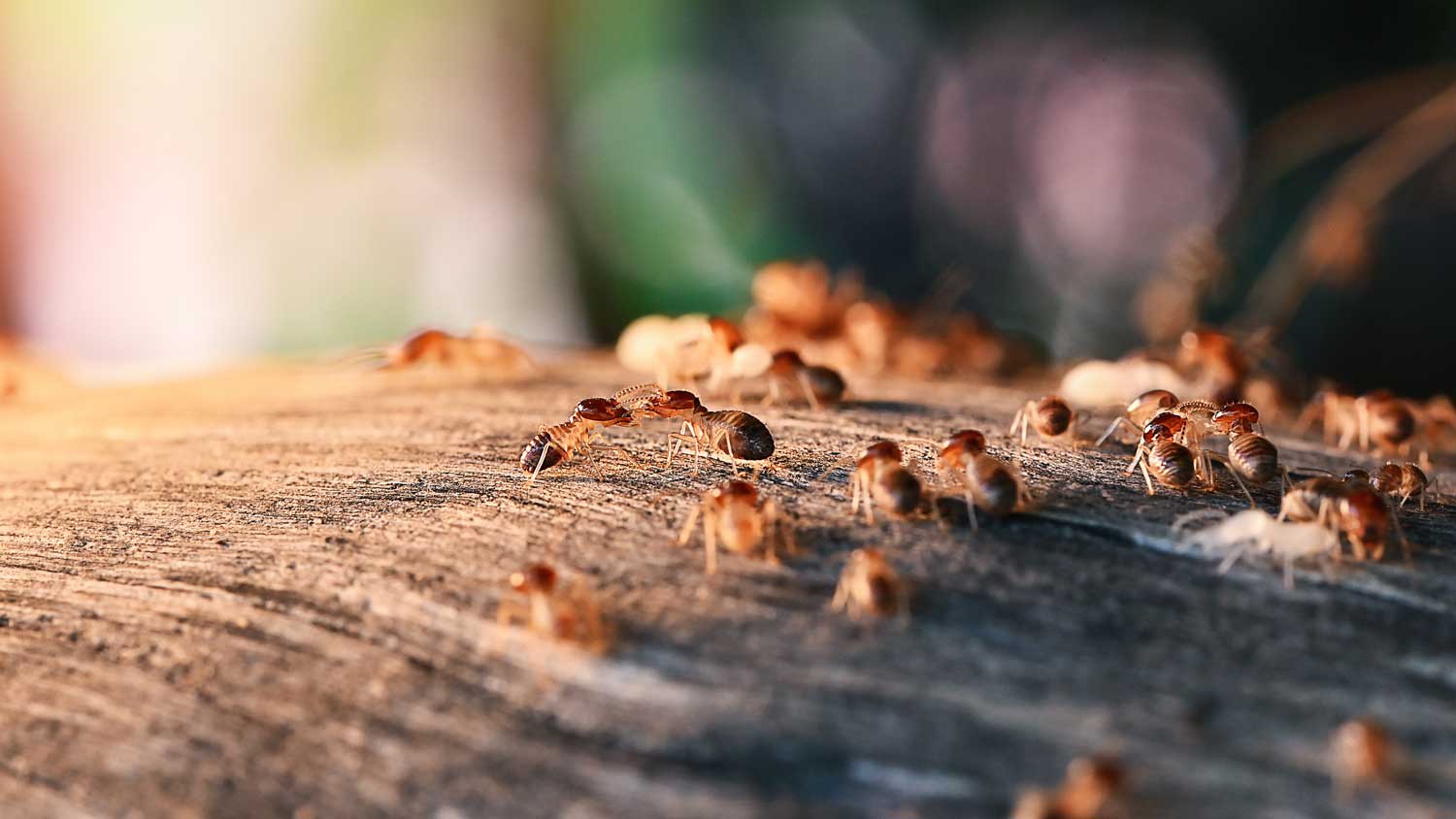
The termite inspection cost varies based on your location and reason for getting the service. Learn more about termite inspection budgeting.
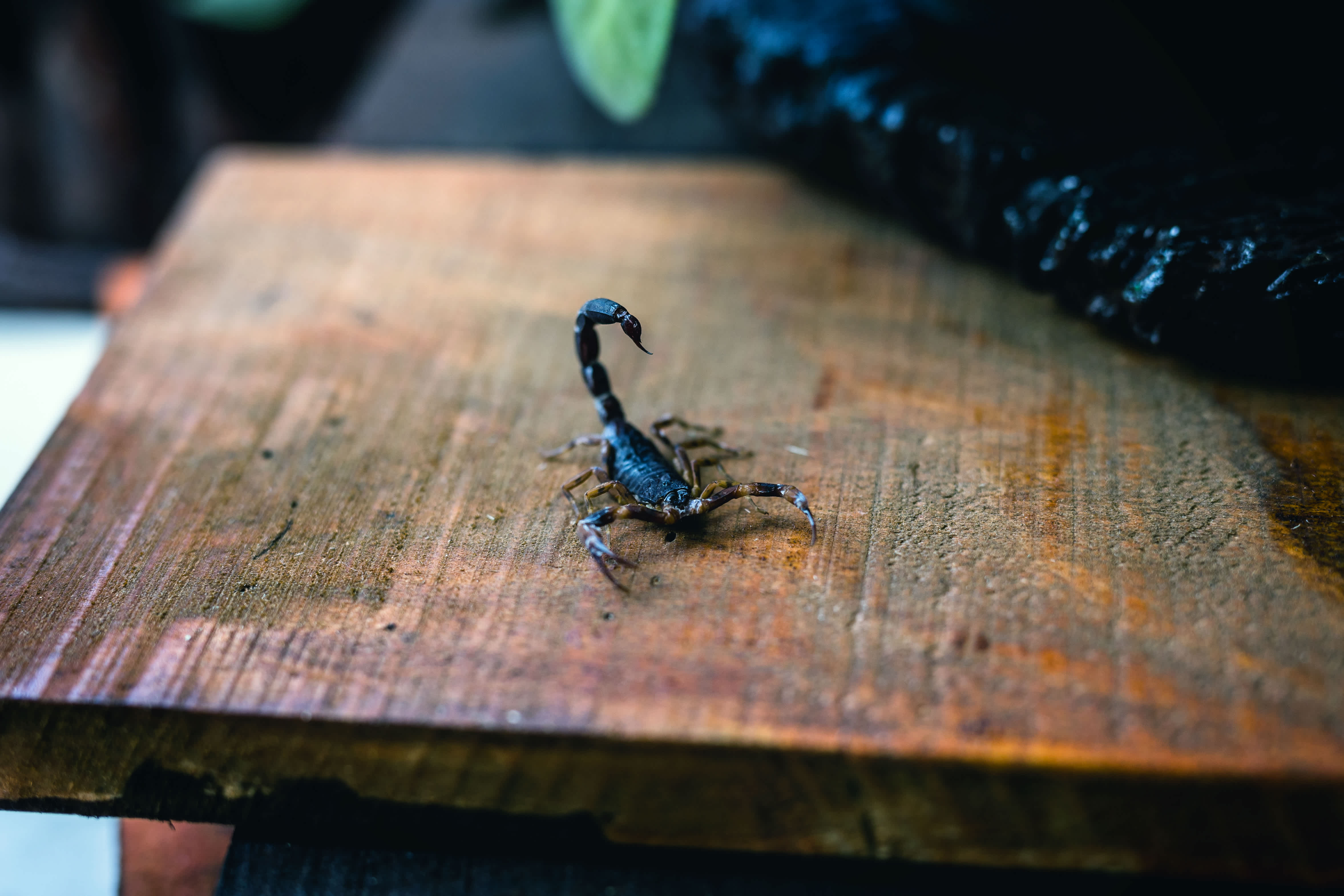
Scorpion removal costs vary based on home size, infestation severity, and treatment method. Learn what to expect and how to keep your home scorpion-free.
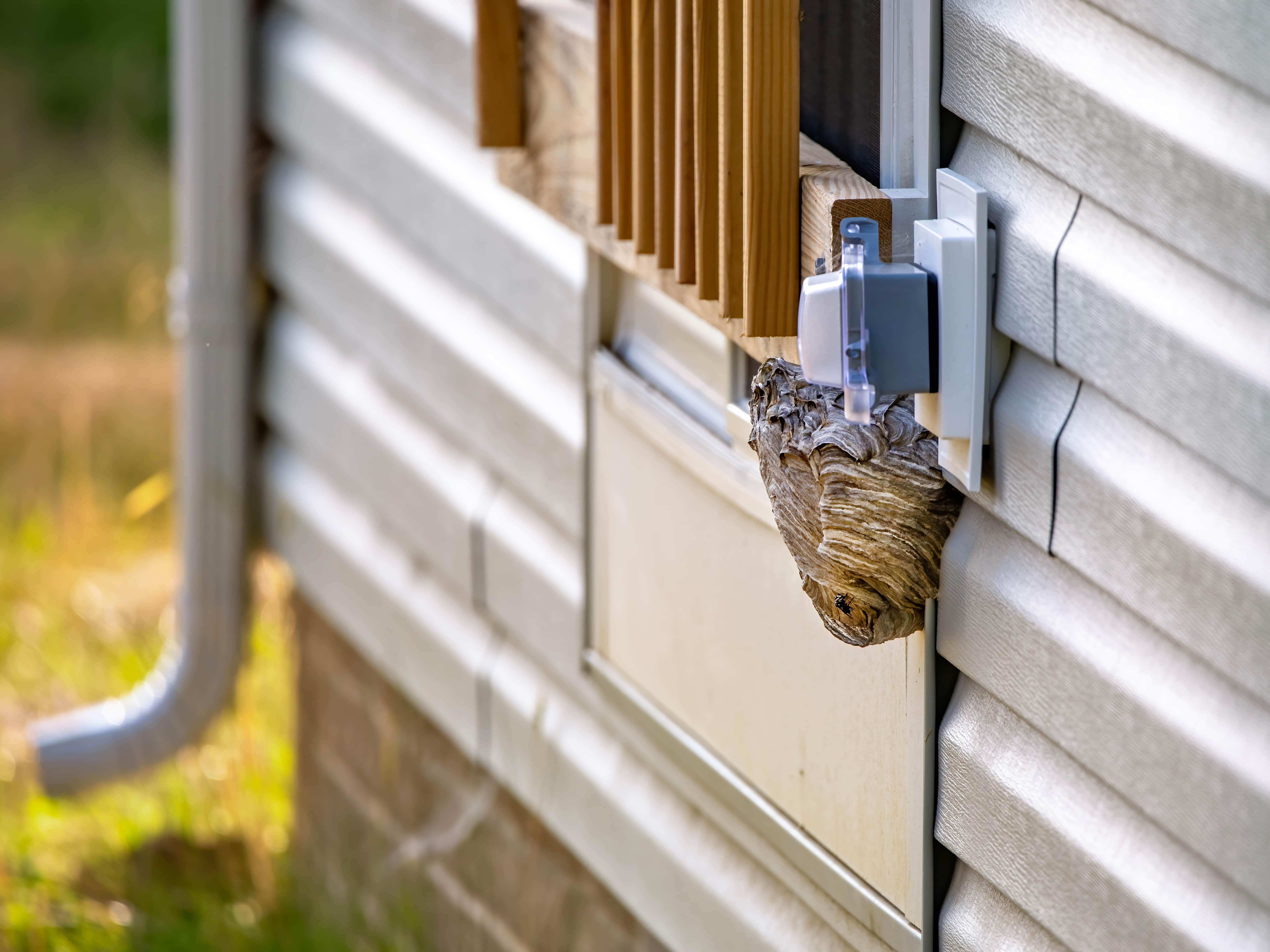
Learn what exclusion in pest control is and how it works as a safe, effective method to keep unwanted bugs and other critters out of your home.
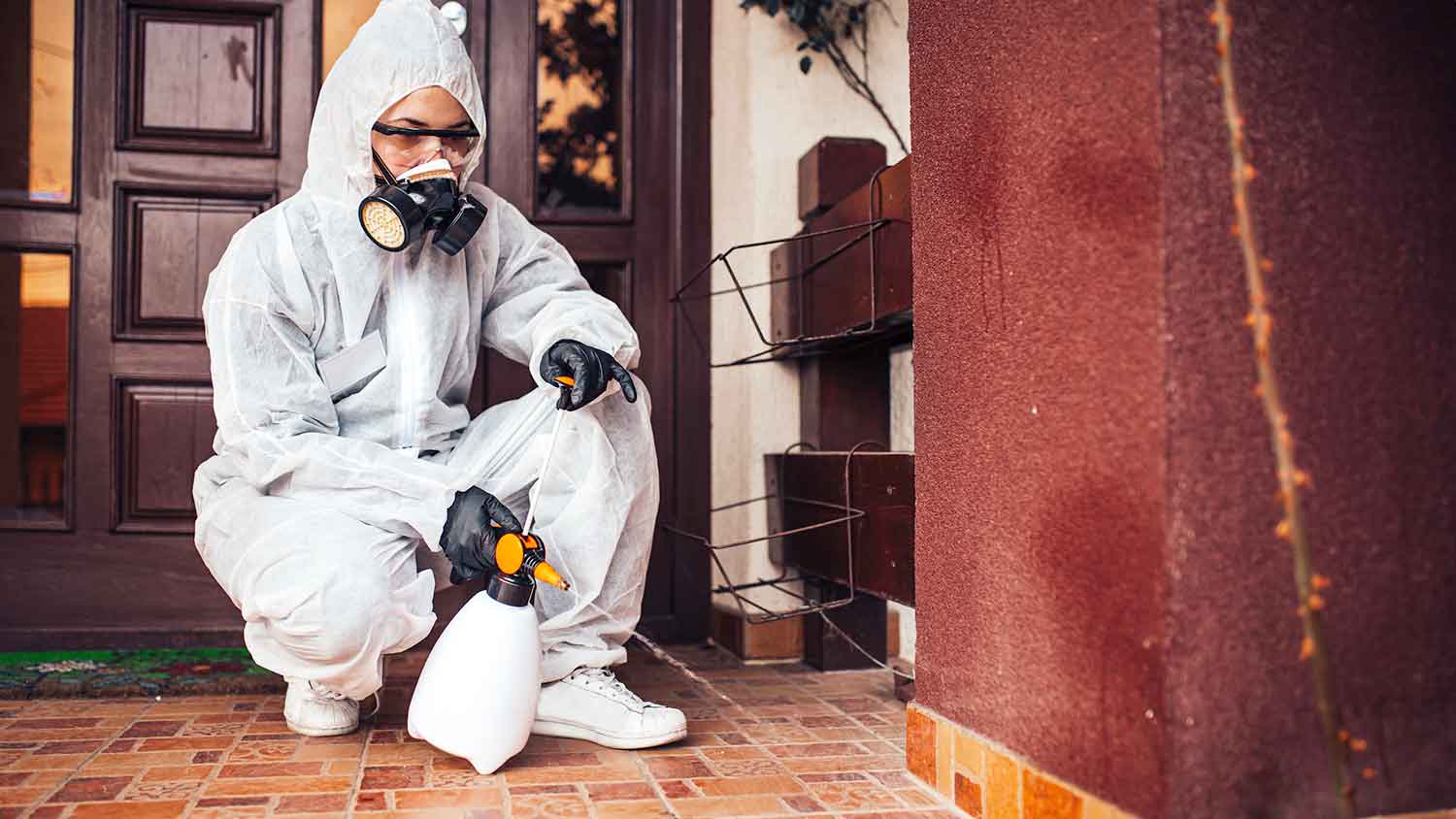
Pest control services offer a professional option to eliminate serious infestations in your home. Here’s what to expect.

If you’ve noticed pests in your home, it’s time to take immediate action. But how can you prevent a huge bill? There are a few ways.