
•
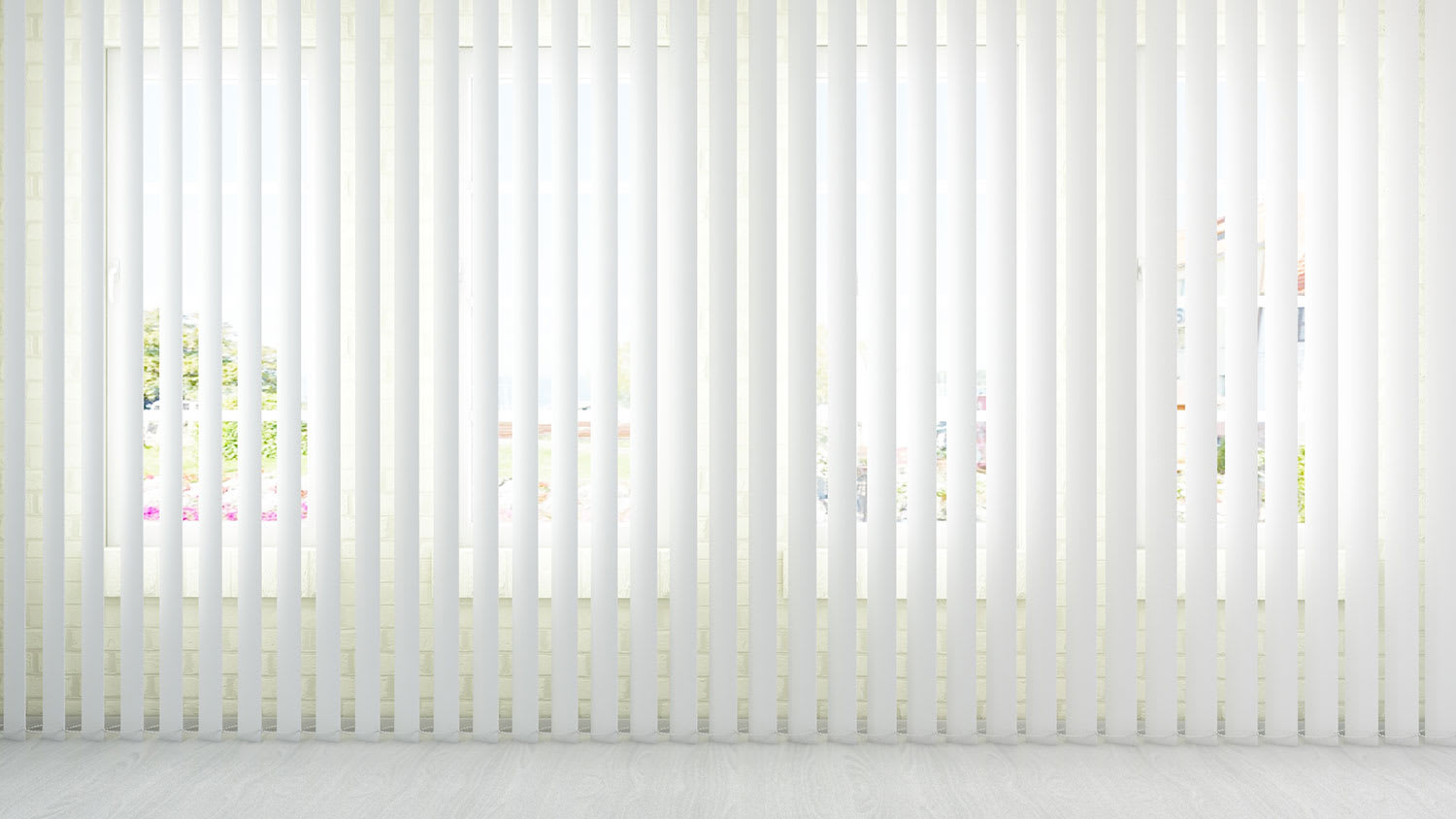
Discover the cost to install vertical blinds. Learn about average prices, key cost factors, and tips to save on your vertical blinds installation project.
Window treatment service costs depend on your project and location. Check with a local pro for your specific job.

Professional blind installation costs $211 to $1,343 for eight windows, with materials averaging $40 to $120 per window.
The size of your windows and the blind material you choose determine the final installation cost for your home.
You should account for removal and disposal of old blinds, which adds $10 to $30 per window to your project budget.
Hiring a local blind repair professional ensures motorized systems and custom coverings are installed correctly and saves you time.
In 2026, the national average cost to install blinds is $758, based on 3,219 verified projects reported by Angi Pros. Most homeowners pay between $211 and $1,343 for eight windows, with materials running $40 to $120 per window, depending on window size, blind material, and the number of windows in the project.
To help homeowners with their next project, Angi provides readers with the most accurate cost data and upholds strict editorial standards. We’ve surveyed thousands of real Angi customers about their project costs to develop the pricing data you see, so you can make the best decisions for you and your home. We pair this data with research from reputable sources, including the U.S. Bureau of Labor Statistics, academic journals, market studies, and interviews with industry experts—all to ensure our prices reflect real-world projects.
Blind installation costs $5 to $15 per square foot for materials, with the average window running $40 to $120 in material costs alone. Labor adds $15 to $50 per window, bringing your total per-window cost to $55 to $170. Window size is the primary driver of where you land within that range, as larger windows require more material and more installation time. The table below breaks down blind installation costs based on the size of your window:
| Size of Window (Inches) | Average Cost Range in 2026 |
|---|---|
| 24x36 | $45–$140 |
| 24x48 | $55–$170 |
| 36x48 | $75–$230 |
| 36x72 | $110–$320 |
| 60x72 | $170–$500 |
Blind installation costs vary significantly by type. Mini blinds and basic roller shades are the most budget-friendly options, priced from $20 to $350 for materials. Motorized and custom blinds sit at the top of the price range ($400 to $650), offering advanced functionality and a tailored fit. Here's how much you'll spend on different types of blinds:
Mini: $20–$140
Cordless: $30–$330
Roller: $25–$350
Solar: $45–$350
Vertical: $65–$350
Venetian: $26–$400
Cellular: $65–$380
Roman: $65–$400
Customized: $65–$650
Motorized or electric: $400–$600
Bay: $165–$550
Vertical (sliding glass door): $135–$650
Outdoor blinds: $90–$300
Waterproof blinds: $45–$100
Smart blinds: $300–$550
Soundproof blinds: $50–$200

Blind material is one of the biggest cost drivers, with vinyl, plastic, and synthetic options starting at $35 to $40 per window and wood and leather potentially exceeding $350. Budget-friendly synthetics and plastics give you a clean look at a lower price point. Wood and leather offer a premium aesthetic and greater durability, making them a worthwhile investment for high-traffic or high-visibility rooms. Here's what you might pay for different blind materials, keeping in mind that custom options will increase your price further:
Synthetic: $40–$140
Plastic: $35–$150
Aluminum: $40–$180
Bamboo: $45–$200
Faux wood: $45–$250
Vinyl: $26–$300
Fabric: $65–$250
Wood: $45–$350
Leather: $90–$350
Labor for blind installation typically ranges from $140 to $400 total, or $15 to $50 per window. Larger jobs and custom-made blinds that require extra care can increase labor costs. Many homeowners hire a local handyperson or a window blind professional for this task.
Beyond the base cost of blinds and labor, several additional factors can affect your total project budget, including the number of windows, brand, and related services. Understanding these extras upfront helps you avoid surprises when the final bill arrives. Here's what to expect:
Number of windows: $55–$170 per window for labor and materials, but per-window installation cost will decrease as the number of windows increases
Brand: Luxury brands can cost 2–5 times more than standard blinds
Removal and disposal of old blinds: $10–$30 per window, if not included
Blind cleaning: $100–$$500
Window repair: $180-$620
Window replacement: $180-$420
Window tinting: $45-$660
Window screen replacement: $140-$480
Low-emissivity (low-E) coating: $80-$100
Safety and security film: $50-$70
Installing standard blinds yourself costs between $40 to $120 per window for materials, saving you $15 to $50 per window in labor compared to hiring a pro. DIY is a realistic option for standard-sized windows with basic or mid-range blinds, especially if you're comfortable with a drill and a level. Keep in mind that choosing higher-end materials can significantly increase your DIY costs.
You might hire a local window blind installer for the following situations:
Installing motorized blinds or shades, custom window coverings, or high-end blind materials
Unusually-shaped windows
Wanting the job done quickly without mistakes
Here’s when you might DIY blind installation:
Windows of a standard size
Basic or mid-range blinds
Comfort with using tools like a drill and a level
Acceptance of minor imperfections
If you already have the necessary tools and some experience with DIY, you should be able to complete the job with relative ease in about 30 minutes per window.
When your blinds are damaged, you'll need to decide between repair and full replacement based on the extent of the damage and the relative costs. New blinds run $55 to $170 per window for labor and materials, while the cost to repair window blinds starts at $100 to $120 for the first set, with each additional set adding $40 to $50. Small repairs are often the more cost-effective choice, but if repair costs exceed 50% of the replacement price, replacement is the smarter investment.
Here's what various blind repairs might cost for materials only:
Damaged slats: $10–$35 each
Lift cord: $10–$30
Motor: $70–$200
Tilt mechanism: $8–$20
Vertical blind clip: $8–$100
A few targeted decisions can meaningfully reduce what you spend on blind installation without sacrificing quality or function.
Choose materials wisely: Blinds made from materials like vinyl or plastic might start at $35 to $40 per window—significantly less than options made from wood or leather, which might cost up to $350.
Opt for a budget-friendly type of blinds: For example, mini blinds can cost between $20 and $140, while Venetian blinds might cost up to $400. There are plenty of options in between.
Skip customizations and add-ons: Custom blinds come with extra features and functions, but they can cost up to $650. If you're looking to stick to a budget, buy prefabricated blinds instead.
Remove old window treatments yourself: Even if you're opting for professional blinds installation, you can still save on installation costs by removing old blinds and window treatments yourself. You can save $10 to $30 per window.
Get multiple windows treated: Labor costs $15 to $50 per window. You can reduce your per-window costs by treating multiple windows at once, since your pro will have already traveled to your location.
Hire a pro for window treatments if you want fast, efficient installation with minimal mistakes.
Professional help is recommended for motorized systems, custom-fit coverings, or high-end materials that require precision.
Choose replacement instead of repair if fixing your blinds costs more than 50% of the price of new ones.
The more blinds you have installed at one time, the lower the cost per window because you’ll save on labor costs.
We have used Window Warriors many times with no issues. They arrived on time and were very professional . We have pets and Window Warrior team treated them very well, well trusted team.
 Window Warrior of Columbus, Inc.
I am highly satisfied with the window replacement service I received; the professionals from Savvy Exteriors were punctual and did an amazing job that exceeded my expectations.
 Savvy Exteriors
I hired windows depot USA of central to install new windows in house in Oshawa. Ilya was very professional from the start, not only did he offered a great price, he also made sure the installation was on time. I am very satisfied with final outcome. The windows look great and the overall...
 Window Depot USA of Central Ohio
Description says they handle window repair including rotten hardwood - they called me back right away but didnâ t leave a voicemail. I followed up 3 days later and they said they donâ t do that kind of work.
 Window-Gurus
We had a gutter blockage that was causing water to sheet down the side of the house and ultimately it started to come in at a window (need mortar people next). Called around 7:30am, and he responded by 8am. He was able to come out the same morning and do a look over and clean out. He also...
From average costs to expert advice, get all the answers you need to get your job done.
Discover the cost to install vertical blinds. Learn about average prices, key cost factors, and tips to save on your vertical blinds installation project.
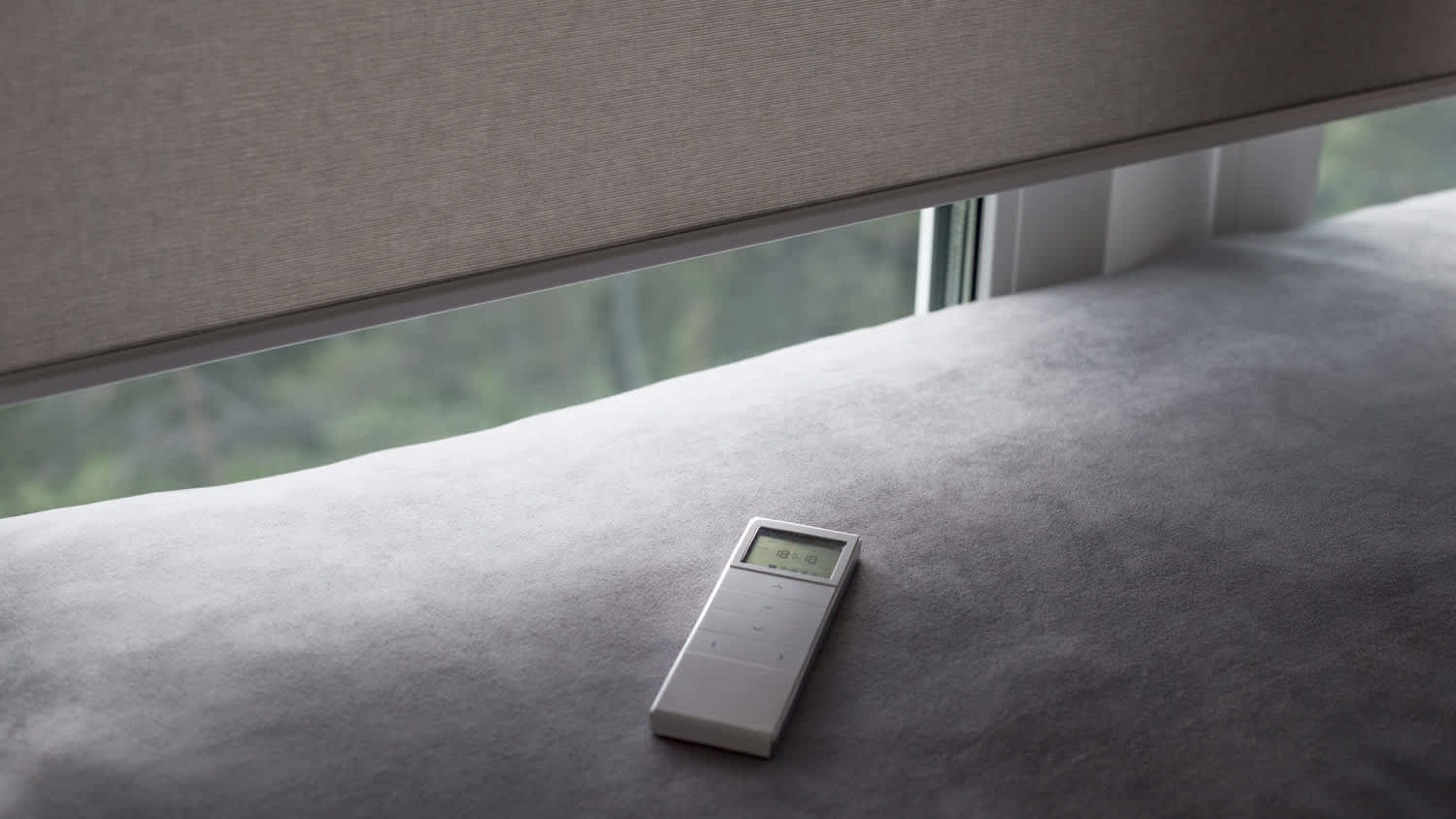
Wondering how much do motorized blinds cost? Discover 2026 prices, key cost factors, and tips to save on your motorized blinds installation.
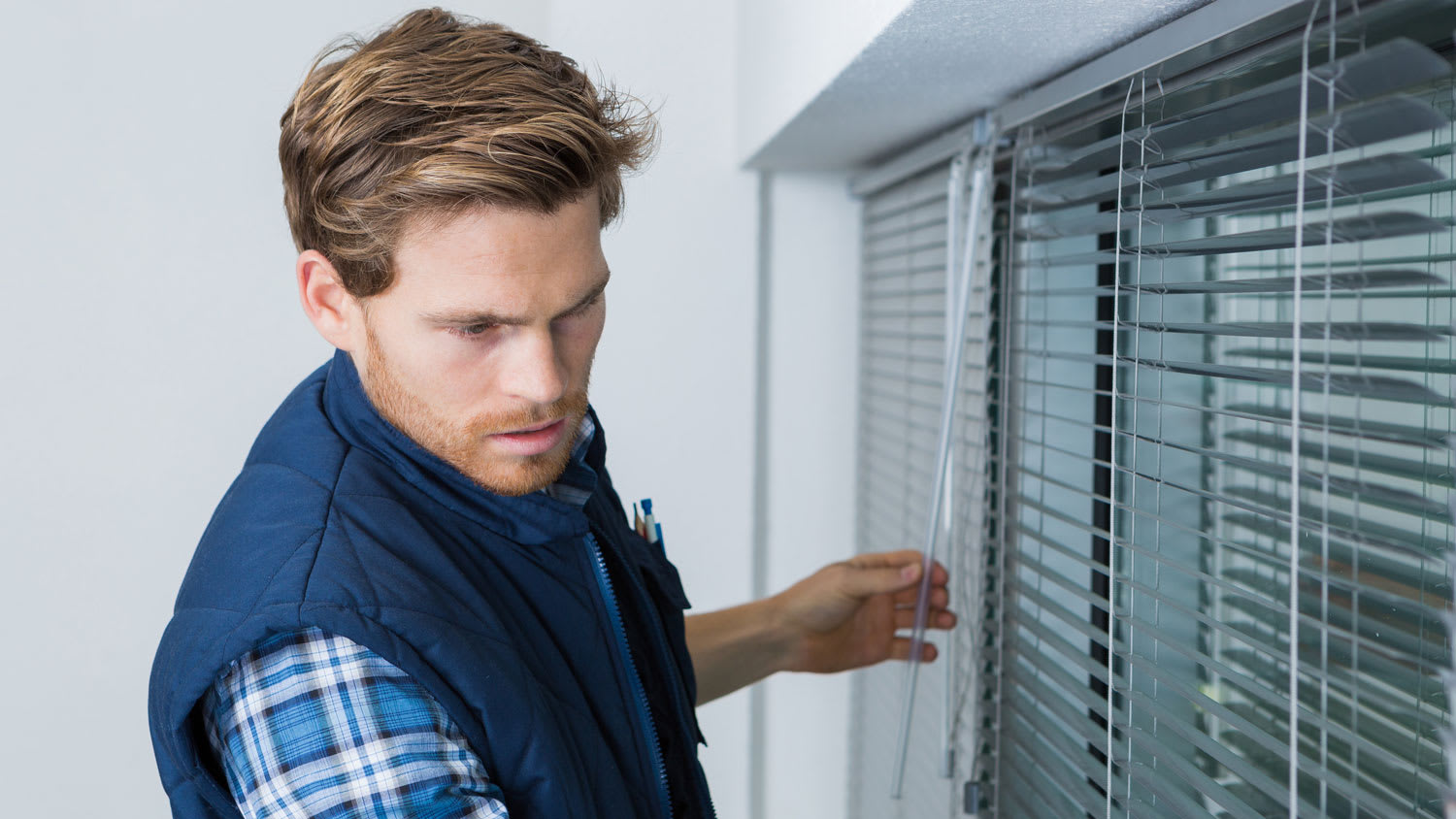
Get expert insights on blind repair cost, including average prices, key cost factors, and ways to save. Learn what impacts your blind repair estimate.
Learn how to hire a window blinds or shades installation pro with confidence. Discover questions to ask, qualifications to check, and tips for success.
Unsure who to hire for blind and shade installation? Discover trusted window treatment pros and see how they measure, mount, and finish the job.

Find who to hire to repair blinds or shades—window pros, brand centers, and motorized fixes. Learn the process and get started today.