

Ozone treatment can help with lingering smoke odors. Learn about ozone smoke removal costs to get an accurate idea of how to budget for this service.
Home security system service costs depend on your project and location. Check with a local pro for your specific job.


Smoke detector installation costs between $70 and $150 per unit, depending on your detector type and features.
The detector type affects your total, with battery models simpler, and hardwired or smart units needing extra labor.
You should budget for permits, inspections, and drywall repairs if your install needs new wiring or retrofits.
Hiring a local smoke detector installing professional ensures correct placement, safe wiring, and code compliance for your home.
This article was created using automation technology and thoroughly fact-checked and edited by an Angi Editor in accordance with our AI policy.
In 2026, the national average cost for smoke detector installation is $120 per unit. Most homeowners spend between $70 and $150, with the final cost driven by detector type, wiring complexity, and local labor rates. Battery-operated models sit at the lower end, while hardwired or smart detectors require more labor and push costs higher.

Several elements influence your smoke detector installation cost, from the number of units you need to the type of detector and complexity of the wiring. Understanding these factors helps you anticipate your total investment and avoid surprises once the job is underway.
The number of smoke detectors you need directly affects your total installation cost, since most safety standards recommend installing detectors in every bedroom and hallway, and on each floor. Installing a single detector is less expensive than outfitting an entire home, and larger or multi-story properties require more units and more wiring. New construction allows for easier wiring and placement, while retrofitting older homes may involve additional labor to run wires or patch drywall. Here is a breakdown of typical costs by number of detectors and home type:
| Number of Detectors | Home Type | Average Cost in 2026 |
|---|---|---|
| 1 | Studio/small condo | $100–$200 |
| 2–4 | Apartment/condo | $200–$600 |
| 5–7 | Single-family home | $500–$1,200 |
| 8–10 | Large home/multi-story | $800–$1,800 |
| 10+ | Estate/new build | $1,200–$3,000+ |
The type of smoke detector you choose plays a major role in your total installation cost, with battery-operated models being the least expensive and hardwired, interconnected, and smart detectors requiring more investment upfront. Battery-operated detectors are simple to install but need regular battery changes, while hardwired models connect to your electrical system and are often required by code in newer homes.
Interconnected systems trigger all alarms when one detects smoke, and smart detectors add remote alerts and smart home integration. Brand, sensor type, and added features like carbon monoxide detection or voice alerts can further increase costs, and most smoke detectors last 8 to 10 years before needing replacement:
| Detector Type | Description | Unit Cost | Installation Cost | Pros | Cons |
|---|---|---|---|---|---|
| Battery-operated | Standalone, runs on batteries | $10–$40 | $20–$60 | Easy install, affordable | Regular battery changes needed |
| Hardwired | Wired to home’s electrical system | $25–$60 | $75–$150 | Reliable, often code-required | Higher install cost |
| Interconnected | Linked alarms for whole-home alerts | $40–$90 | $100–$200 | Enhanced safety, all units sound together | More complex install |
| Smart | Wi-Fi, app alerts, smart home integration | $50–$150 | $100–250+ | Remote monitoring, advanced features | Most expensive, subscription fees |
| Combo (smoke/CO) | Detects smoke and carbon monoxide | $30–$80 | $60–$180 | Dual protection, fewer units needed | Slightly higher cost |
Smoke detector installation costs vary depending on where you live and where inside your home the detectors need to be placed. Regional labor rates, permit requirements, and cost of living all influence your final price, as do site-specific factors like ceiling height and accessibility.
Installation costs vary across the country due to differences in labor rates, permit requirements, and cost of living. Urban areas and regions with stricter building codes generally see higher prices, with the Northeast and West typically carrying higher labor costs, while the South and Midwest tend to be more budget-friendly. Some municipalities require permits or inspections, which can add to your total. Checking local requirements before scheduling installation helps you avoid unexpected fees.
Installing detectors in hard-to-reach areas—such as high ceilings, attics, or basements—can increase labor costs because these spots often require ladders, scaffolding, or extra time to wire and mount units. Retrofitting detectors into an existing home is more labor-intensive than installing during new construction, where wiring and placement can be planned from the start. Identifying challenging locations before getting quotes helps you get a more accurate estimate upfront.
Professionals who install smoke detectors include licensed electricians, handymen, and fire safety specialists, with Electricians charge ranging from $50 to $100 per hour and handypersons charging $50 to $150 per hour. Labor for battery-operated detectors is typically lower and faster, while hardwired or interconnected systems take longer and cost more. Minimum service fees apply for small jobs, and emergency or after-hours installations may include extra charges.
Permits are sometimes required for hardwired or interconnected smoke detector installations, especially in new construction or major remodels, with Permit fees ranging from $25 to $150, depending on your municipality. Inspections may also be required, adding $50 to $100 per visit to your total. Not obtaining necessary permits can result in fines or failed inspections, so always check local requirements before work begins.
Upgrading to detectors with features like carbon monoxide detection, smart home integration, or voice alerts increases both unit and installation costs. Interconnected or wireless systems require more planning and setup, and integrating detectors into a home security or alarm system further increases costs. Customizing finishes to blend with your décor can also add to the total price.
Retrofitting older homes, multi-story installations, or unique layouts increases project complexity.
Difficult-to-reach locations or limited access add to labor costs.
Removing old detectors, patching drywall, and running new wiring raise the total price.
Post-installation cleanup and debris removal may be billed separately.
Custom system design or consultation can add $50 to $200.
Inspections for code compliance or insurance purposes may be required.

Beyond installation, several ongoing or one-time costs can affect your total smoke detector budget, including warranties and maintenance, operating expenses, and taxes. Factoring these in from the start helps you avoid surprises down the road.
Most manufacturers offer basic warranties covering parts for five to 10 years. Some installers offer additional labor warranties or extended coverage, which can cost an extra $20 to $50 per unit. Extended warranties may cover replacement but rarely include routine maintenance.
Battery-operated detectors need new batteries once or twice a year, costing $5 to $15 per unit annually, while hardwired detectors with battery backups also require periodic battery changes. Electricity use for hardwired units is minimal. Smart detectors may require a subscription fee for remote monitoring, ranging from $5 to $10 per month.
Testing detectors monthly and cleaning them at least once a year keeps them functioning reliably. Professional maintenance services cost $30 to $75 per visit, or you can handle routine checks yourself. Annual maintenance per detector runs $10 to $20, covering batteries and cleaning supplies.
Sales tax applies to detectors and installation services in most states, with tax rates ranging from 4% to 10%. Check your local regulations to estimate this cost.
Installing smoke detectors can lower your homeowners' insurance premiums, especially if you opt for interconnected or professionally installed systems. Some insurers require proof of installation for discounts or to meet coverage terms. Discounts may range from 2% to 5% of your premium, making professional installation a worthwhile investment beyond just safety.

Deciding whether to install smoke detectors yourself or hire a professional affects your total cost and the safety of your home.
DIY installation saves on labor, costing only the price of the detectors and basic tools (screwdriver, drill, ladder). You’ll need a good understanding of local codes and safety requirements, especially for hardwired or interconnected units. Improper installation risks code violations, reduced protection, or insurance issues.
Installing a battery-operated detector takes about 15 minutes, while hardwired systems are more complex and may require several hours. DIY is a good option for straightforward, battery-powered units, but it’s best to hire a professional for anything involving electrical work or new wiring.
Understanding when to repair or replace a smoke detector can help you manage costs and keep your home safe.
Common repairs include battery changes, sensor cleaning, or replacing minor parts, costing $10 to $50 per unit. If a detector malfunctions, gives frequent false alarms, or is past its expiration date, replacement is usually more cost-effective. The 50% rule applies: if repair costs exceed half the price of a new unit, replace it. Warranty coverage can offset the cost of repair or replacement.
Installing smoke detectors directly improves your home’s safety and peace of mind. Many buyers expect working detectors, and some jurisdictions require them for a home sale. While smoke detector installation might not dramatically boost your resale value, it can help your home sell more quickly and meet buyer expectations.
Investing in interconnected or smart detectors can provide added value through insurance discounts and enhanced safety. Modern detectors also offer universal design benefits, such as voice alerts or strobe lights for accessibility, and can be more visually appealing than older models.
Consider these cost-saving strategies to make your smoke detector installation more budget-friendly:
Compare quotes from multiple licensed, local smoke detector installation professionals.
Choose the right detector type for your needs and budget.
Bundle installation with other electrical or safety upgrades.
Perform simple installations (battery-operated) yourself if qualified.
Schedule installation during off-peak times to avoid rush fees.
Maintain detectors regularly to extend lifespan and avoid early replacement.
Home is the most important place on earth, which is why Angi has helped more than 150 million homeowners transform their houses into homes they adore. To help homeowners with their next project, Angi provides readers with the most accurate cost data and upholds strict editorial standards. We extensively research project costs to develop the pricing data you see, so you can make the best decisions for you and your home. We rely on reputable sources, including the U.S. Bureau of Labor Statistics, academic journals, market studies, and interviews with industry experts—all to ensure our prices reflect real-world projects.
Want to help us improve our cost data? Send us a recent project quote to [email protected]. Quotes and personal information will not be shared publicly.
I recently moved to another state and chose United Trust Van Lines after comparing several companies. Their team was punctual, professional, and extremely careful with my belongings. I was especially impressed with how they handled my home office setup and fragile items. Everything arrived on...
 United Trust Van Lines, LLC
1st Choice Renew is simply the best! We hired them for a complete home renovation, and they transformed our space into something truly amazing. The team attention to detail and commitment to quality were evident throughout the project. They were easy to work with, very responsive, and always...
 Save A Dime
I had Ace Fireplace Services install custom chimney caps for my home, and the results are stunning. They fit like a glove and have added a touch of sophistication to my chimney. I can't recommend their services enough.
 Ace Fireplace Services
Exquisite workmanship from Custom Paint Jobs LLC. My home has never looked better.
 Custom Paint Jobs, LLC
I was concerned about my possessions safety throughout the move but Bridge View Van Lines took all necessary security measures to make sure everything arrived in mint shape I am really appreciative of their effort and commitment They made my long distance move seem simple
 Bridgeview Van Lines
We needed windows in our home, and we couldnt believe we got our entire home done for under $14,000. We have a lot of windows, and not only was it affordable, but it got done in a timely manner! Thanks guys, I truly appreciate you all!
 Window Depot USA of Central Ohio
Working with Mike on our first home purchase was an absolute pleasure. Mike put us at ease and made the process of buying a home fun. Mike is knowledgeable, honest, professional, and punctual. He worked with our busy schedule and always made time for us. When a home came on the market that...
 Michael Marshall - Buyer's Resource Realty Svcs.
Before choosing a real estate agent, we conducted a lot of research to see who would be the best choice. Homes that Click stood out as the best Columbus has to offer: their rankings are excellent, their social media presence was strong, and I could tell they put a lot of work into their...
 Homes That Click Realtors
Fantastic! Top Line was early for the appointment and very knowledgeable and took time to explain everything they had found during the home inspection. The report included clearly defined issues and what they recommended to remedy the same. The report also included many pictures to help...
 Top Line Home Inspections, LLC
Mary cleaning service does an amazing job cleaning my home. They go over and beyond the cleaning services that I have had in the past. They are very punctual and thorough with cleaning my home, I’m extremely happy with the service they provide and I highly recommend them.
From average costs to expert advice, get all the answers you need to get your job done.
Ozone treatment can help with lingering smoke odors. Learn about ozone smoke removal costs to get an accurate idea of how to budget for this service.

Need to get rid of lingering smoke odors in your home? Learn how much smoke remediation costs to budget accurately for this major undertaking.
Feeling safe at home should always be a priority, and installing a new security system can help you do just that—no matter where you live.
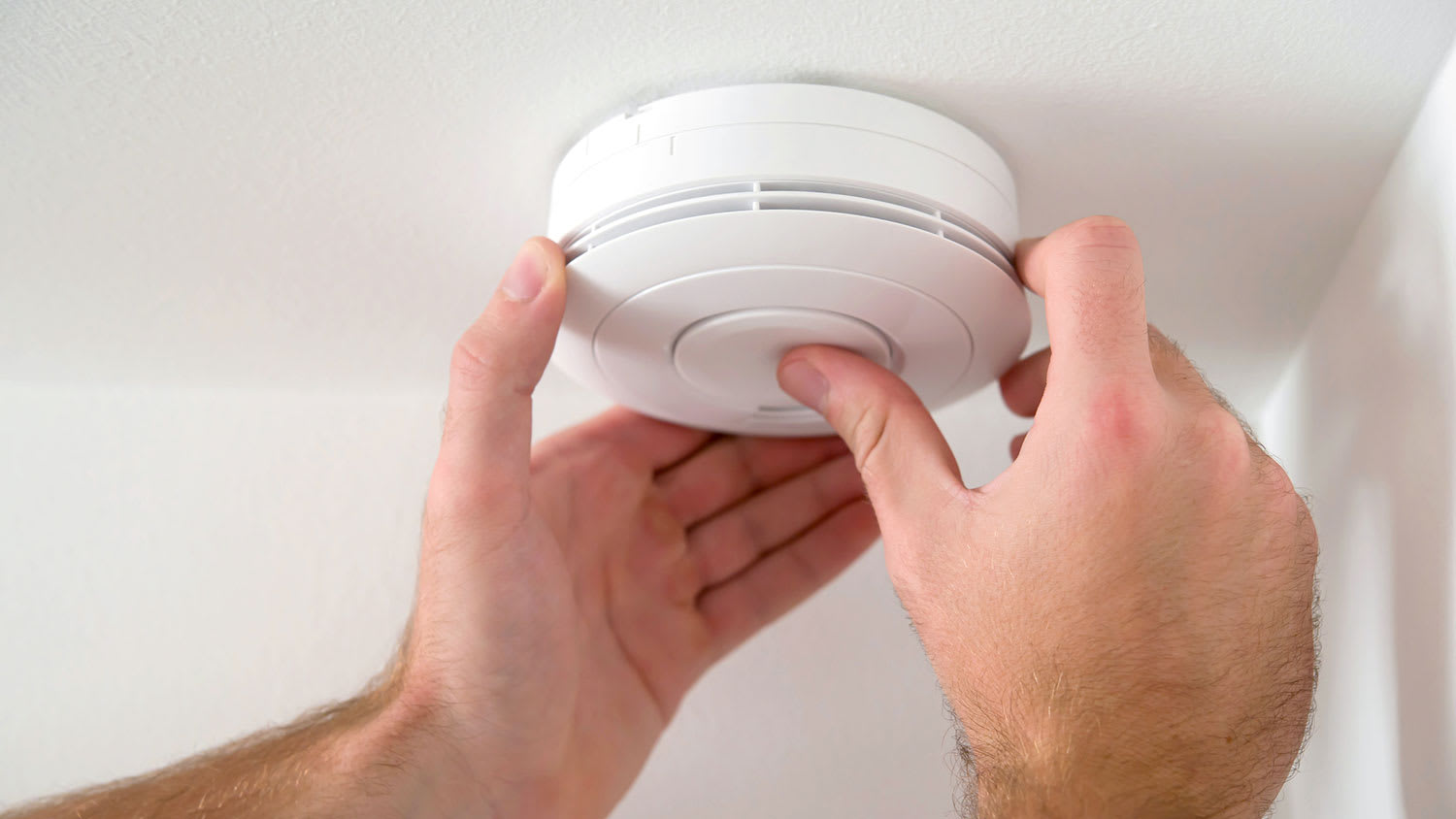
Learn how to hire a qualified electrician for smoke detector installation. Find the right pro, ask the right questions, and ensure your home's safety.
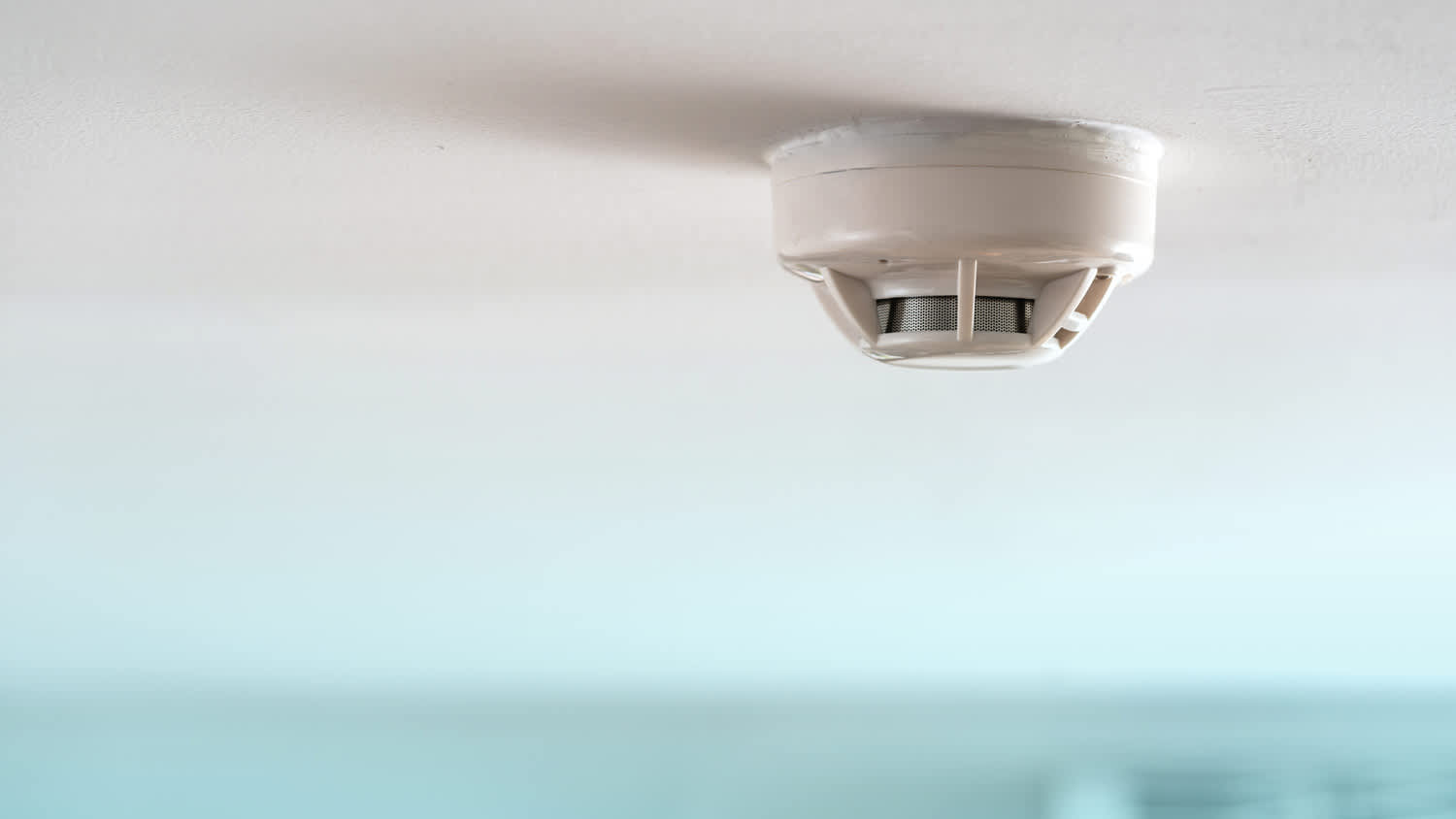
Smoke detectors can save you precious time during a fire, so hire a qualified electrician to install hardwired smoke detectors and ensure they work properly.
How long do smoke detectors last? Keep reading to find out when you should replace your smoke detectors and how to maintain them.