




Top-rated electricians.

Get matched with top electricians in Linton Hall, VA

Enter your zip and get matched with up to 5 pros

TRUSTED BY LINTON HALL, VA HOMEOWNERS

  • Average homeowner rating star icon4.7
    Average homeowner rating
  • Verified reviews icon2.3k+
    Verified electrical services reviews

Find Electricians in Linton Hall

Avatar for A Plus Electric
A Plus Electric
4.8(
121
)
Electrical Switches, Outlets & Fixtures - Install or RepairElectric Vehicle Charging Station Installation - Materials Provided by ConsumerElectrical Wiring or Panel Upgrade+7 more

Serving Linton Hall, VA and surrounding areas

Approved

Super Service Award Winner

In business since 2015

Free estimates

Warranties offered

"A Plus Electric installation of my EcoFlow Smart Home Panel (SHP) was outstanding! They took great interest in learning about the new product and then completing the install as the manufacturer recommended. In addition, the inspection was seamless and encountered zero issues/challenges. Go with A+ Electric for great service!"
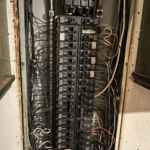
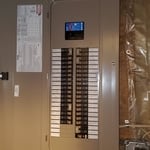
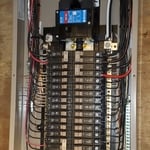
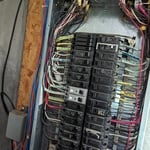
Breaker Panels
Breaker Panels
Breaker Panels
Breaker Panels
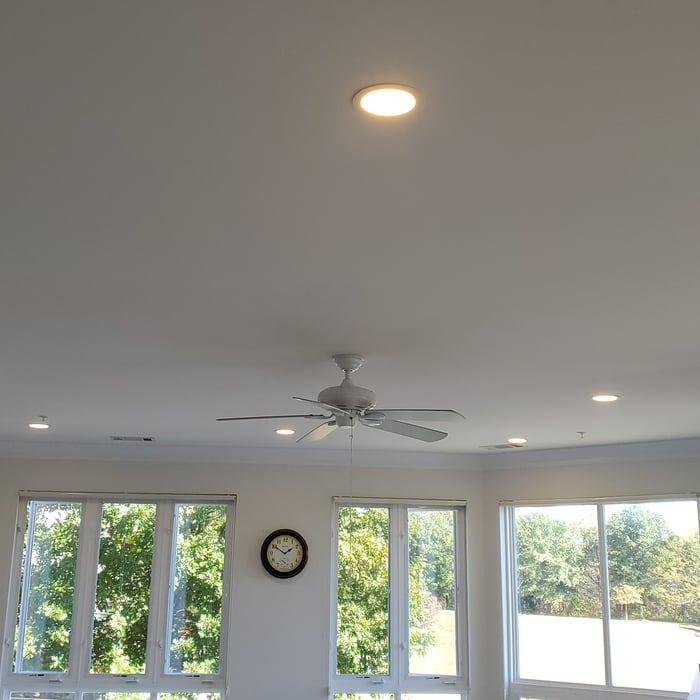
Recessed Lights

+98

Response time6 hrs
Response rate88%
7 neighbors recently requested a quote
Avatar for Cody Malone Services LLC
Cody Malone Services LLC
5.0(
358
)
Electrical Switches, Outlets & Fixtures - Install or RepairFixed Generator - RepairElectric Vehicle Charging Station Installation - Materials Not Provided+9 more

Serving Linton Hall, VA and surrounding areas

Approved

In business since 2011

Free estimates

Emergency services offered

"I have been hiring Cody Malone since we purchased our house in July 2012. They have switched out outlets, installed indoor ceiling fans, installed outdoor ceiling fans, ran electrical to my outdoor water feature and switched out my light fixtures. I plan to hire them again when I add electric to my detached garage. They always do a great job and arrive when they say they will. I have never had a single issue and they have been to my house for no less than six different projects!"
Additional Photos
Additional Photos
Additional Photos
Additional Photos
Response time4 hrs
Response rate100%
3 neighbors recently requested a quote
...
Showing 1-10 of 605
Electrical questions, answered by experts

Doorbell wires typically won't spark because they carry low voltage. However, if there's a short circuit or damaged wiring, sparking could occur. Always turn off the power at the breaker box before working with doorbell wires to prevent any risk. If you notice any sparking, it's a sign of a problem that a professional electrician should address.

While circuit breakers are designed to be reset after tripping, there isn't a strict countdown to when they will fail. The primary danger lies in a breaker tripping multiple times in a short period without allowing the components to cool down. Theoretically, a standard breaker might handle around 50 trips caused by simple overloading. However, this number can be much lower in practice. For instance, a high-current fault could damage a breaker to the point that it needs replacement after only two resets. Repeatedly resetting a breaker that trips frequently exacerbates the underlying problem by causing the electrical components, wires, and the breaker itself to overheat. This can lead to permanent damage, cause the breaker to trip unnecessarily in the future, and increase the risk of an electrical fire. If a breaker trips every few minutes, you should leave it in the 'off' position and call a qualified electrician for an inspection.

A small sump pump running infrequently uses an average of 10 kilowatt-hours (kWh) of electricity per month. The average cost for electricity is $0.171 per kWh. The size and use frequency affect how much electricity it uses. Sump pumps average one-third to one horsepower (hp) motors. One hp is equal to 745.7 watts. Watts multiplied by the time your pump is running divided by 1,000 equals your average kWh. Multiply kWh by your average cost of electricity. In areas with high rain or a marsh basin, the average cost can be as high as $15-$25 a month.

Window AC units use a fair amount of electricity, but significantly less than central AC systems. Because they are more energy-efficient for cooling individual rooms or small spaces, their usage is comparatively low. On average, a window AC unit consumes between 500 and 1,400 watts, while a central AC system uses over 3,500 watts—meaning a window unit uses about one-third of the energy. This typically translates to a monthly running cost of $15 to $40, although this can vary depending on external factors.

Unfortunately, a partial power outage without a tripped breaker often means you have a major wiring issue or that the breaker itself is going bad. When the power is out in one room but the breaker is not tripped, you need to call an electrician as soon as possible to identify the cause of the problem and repair it.

The Linton Hall, VA homeowners’ guide to electrical services

From average costs to expert advice, get all the answers you need to get your job done.