



Get matched with top radon detection and reduction specialists in Covington, VA
Top-rated radon detection and reduction specialists.

Need a pro for your radon detection and reduction project in Covington, VA?

Select your specific project to find the pro for you.

Find Radon detection and reduction specialists in Covington

Avatar for Radon Specialists, LLC
Radon Specialists, LLC
4.8(
54
)

Serving Covington, VA and surrounding areas

Approved

In business since 2012

Free estimates

Customers say: True professional

"You can have complet confidence that Radon Specialists will produce the desired result. Our radon long term average went from 7 pc/L to 0.4 pc/ L. We are very relieved. The workmanship of the mitigation system is professional grade and the process was completely unobtrusive."
Smith Mountain Lake
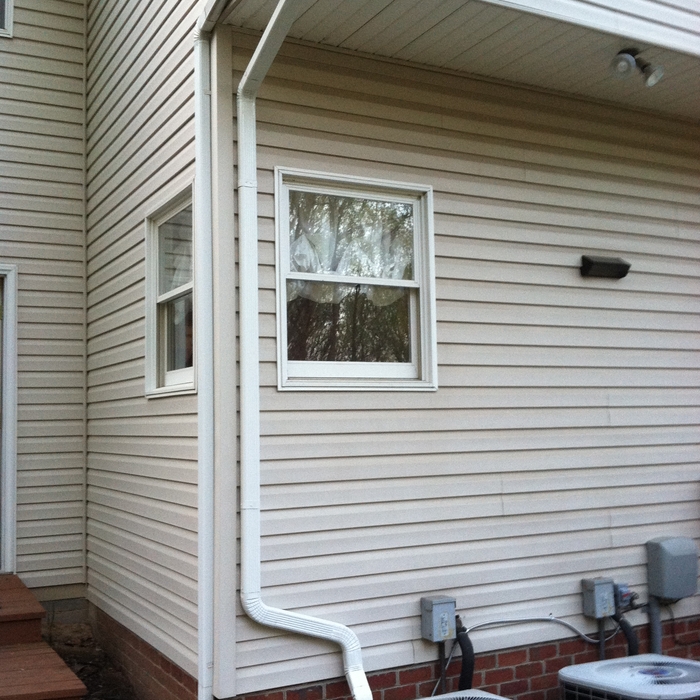
Rear of House
Rear of House
Typical Installation

+7

Response time10 hrs
Response rate91%
Recommended by94%of homeowners
Radon Detection and Reduction questions, answered by experts

No level of radon is technically safe, but since it is present everywhere, complete avoidance is impossible. The average radon level in homes across the United States is 1.3 picocuries per liter (pCi/L). The Environmental Protection Agency (EPA) recommends taking preventative measures if your home's radon levels are between 2 and 4 pCi/L or higher.

Radon enters your home when warm air begins to rise and exits through the roof, creating a vacuum that pulls cooler air from under the foundation. Part of that air is radon, which is an invisible, odorless gas that develops naturally when radioactive particles are deep within the ground. Those particles usually come from decaying matter in soil and rocks.

The soil beneath your house is most likely what’s causing an increased level of radon. This is because soil holds radioactivity for a long time and it’s also what most buildings are built on. Another common source of radon is water from a source that hasn’t been through periodic radon tests, such as well water. Over time, the radon from the soil can inhabit other parts of your house like the foundation or plumbing.

Mitigation reduces radon levels, protecting your health and complying with safety standards.

You can vent radon out of your house sometimes by simply opening a window, but it won’t remove the source, and will likely rise above recommended levels quickly. A professional will be needed to assess your home, and determine the best strategy for radon removal. Active radon sump pumps and soil depressurization systems are often used to forcefully vent the radon from your home.

The Covington, VA homeowners’ guide to radon detection and reduction services

From average costs to expert advice, get all the answers you need to get your job done.