

Top-rated radon detection and reduction specialists.

Get matched with top radon detection and reduction specialists in Lexington, VA

Enter your zip and get matched with up to 5 pros

Need a pro for your radon detection and reduction project in Lexington, VA?

Select your specific project to find the pro for you.

Find Radon detection and reduction specialists in Lexington

Avatar for Radon Specialists, LLC
Radon Specialists, LLC
4.8(
54
)

Serving Lexington, VA and surrounding areas

Approved

In business since 2012

Free estimates

Customers say: True professional

"You can have complet confidence that Radon Specialists will produce the desired result. Our radon long term average went from 7 pc/L to 0.4 pc/ L. We are very relieved. The workmanship of the mitigation system is professional grade and the process was completely unobtrusive."
Smith Mountain Lake
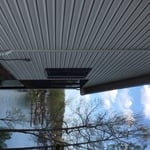
Rear of House
Rear of House
Typical Installation

+7

Response time10 hrs
Response rate91%
Recommended by94%of homeowners
Avatar for Lucas Contracting, LLC
Lucas Contracting, LLC
5.0(
71
)

Serving Lexington, VA and surrounding areas

Approved

In business since 2016

Free estimates

Warranties offered

"He responded to our initial inquiry promptly. Showed up on time to do the job. Very neat worker and left everything perfect. The next radon test came back extremely low so it works perfectly. I highly recommend him."
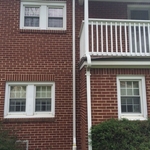
Entry point
Entry point
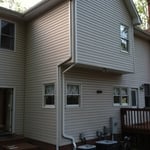
Attic fan location
Attic fan location
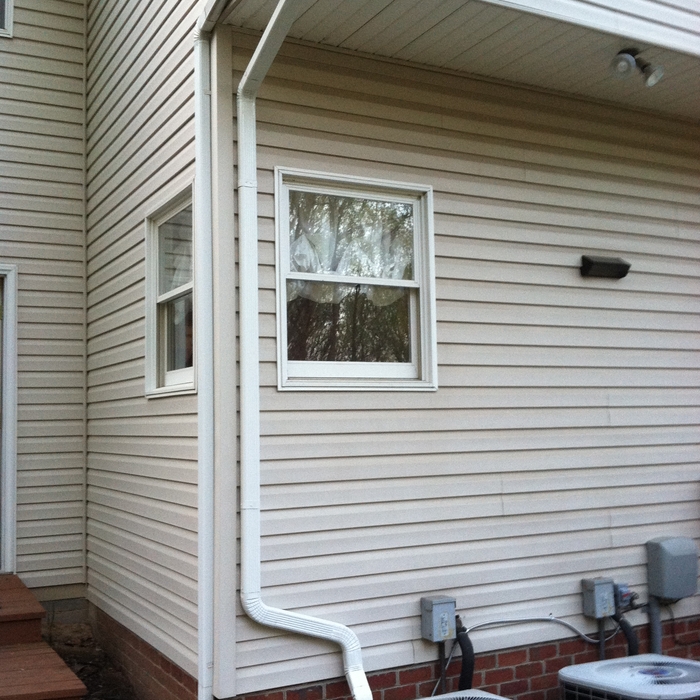
Fan outside

+16

Response time7 hrs
Response rate86%
2 neighbors recently requested a quote
Radon Detection and Reduction questions, answered by experts

While DIY testing is possible, abatement generally requires professional installation to ensure efficacy and meet safety standards.

The natural breakdown of uranium in soil, rock, and water can cause radon to appear in a home. The gas seeps into homes through cracks in foundations, walls, or floors, as well as through gaps around pipes or construction joints. Radon levels are influenced by soil composition, building materials, and ventilation. Poorly sealed or airtight homes can trap radon, allowing it to accumulate.

No level of radon is technically safe, but since it is naturally present everywhere, it is impossible to avoid entirely. The average radon level in homes across the United States is 1.3 picocuries per liter (pCi/L). The Environmental Protection Agency (EPA) recommends taking action to reduce radon levels if your home's test results are between 2 and 4 pCi/L or higher.

Radon is the number one non-smoking cause of lung cancer in the United States, but it can cause some other concerning side effects in the meantime. If you have a raspy voice, chest pains, trouble breathing, difficulty swallowing, or any of the above, don’t hesitate to perform radon testing and install a mitigation system as soon as possible.

The lifespan of a radon mitigation system depends on the type of system and its maintenance. With proper care, a system can last for many decades. Passive systems tend to last longer as they have fewer components that require replacement. Active systems, which have more moving parts like fans, generally have a shorter lifespan. For instance, water filtration devices and active pressurization systems require more frequent maintenance. While the system as a whole is durable, the radon fan in an active system typically has a lifespan of 5 to 10 years and will need to be replaced. As long as the fan is working, the mitigation system should function correctly.

The Lexington, VA homeowners’ guide to radon detection and reduction services

From average costs to expert advice, get all the answers you need to get your job done.