









Top-rated lawn irrigation specialists.

Get matched with top lawn irrigation specialists in Roy, UT

Enter your zip and get matched with up to 5 pros

TRUSTED BY ROY, UT HOMEOWNERS

  • Average homeowner rating star icon4.1
    Average homeowner rating
  • Verified reviews icon125
    Verified lawn irrigation services reviews

Find Lawn irrigation specialists in Roy

Avatar for Affordable Lawn Care & Sprinkler Repair, LLC
Affordable Lawn Care & Sprinkler Repair, LLC
4.7(
63
)
Lawn and Garden Sprinkler System - RepairLawn and Garden Sprinkler System - Repair - For Business

Serving Roy, UT and surrounding areas

Approved

In business since 2017

Emergency services offered

Warranties offered

"A Very kind and knowledgeable company. Easy to work with. Very professional job. I needed to have my sprinkler control box moved so I could lay cement. Excellant work. Completed in the time they said it would take. I have put Affordable Lawn Care in my phone book for future work, and would recommend them to anyone. Very knowledgeable and honest."

Major Sprinkler System
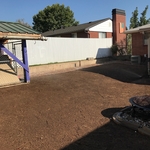
Yard & System Remodel
After new system and Sod installed
Before
Yard and System Remodel

+8

Response time1 day
Recommended by87%of homeowners

...
Showing 1-10 of 120
Lawn Irrigation questions, answered by experts

Not only are lawn depressions unsightly, they also cause your yard to be uneven and have divots, which can be a tripping hazard. Lawn depressions also make mowing more difficult and can potentially cause damage to your mower.

Bermuda grass may be drought-resistant, but it still needs to be watered once or twice a week. The suggested amount of water Bermuda grass needs varies from season to season. Bermuda grass needs about 1 inch of water a week in summer, fall, and winter; it needs up to ¾ inch in spring.

This depends on the type of grass seed, as some types do better in different environmental conditions. Cool-season grasses go dormant during the summer months when the soil temperature exceeds 65 degrees Fahrenheit. Once exposed to regular doses of heat, the germination rates decline, with seedling death not far behind. 

As for warm-season seeds, they come from tropical parts of the world and thrive in heat. They actively grow in warm air temperatures between 70 and 90 degrees Fahrenheit, and they prefer soil temperatures between 65 and 70 degrees Fahrenheit. Once temperatures dip and frost rolls in, if you don’t store them properly, warm-season grass seeds will die quickly.

Common options include Kentucky bluegrass, fescue, and ryegrass. Choose based on climate and lawn usage.

Yes, especially for properties focusing on curb appeal. A well-maintained landscape supports visual and environmental attractiveness, potentially increasing desirability.

The Roy, UT homeowners’ guide to lawn irrigation services

From average costs to expert advice, get all the answers you need to get your job done.