









Top-rated lawn irrigation specialists.

Get matched with top lawn irrigation specialists in Hooper, UT

Enter your zip and get matched with up to 5 pros

TRUSTED BY HOOPER, UT HOMEOWNERS

  • Average homeowner rating star icon4.2
    Average homeowner rating
  • Verified reviews icon114
    Verified lawn irrigation services reviews

Find Lawn irrigation specialists in Hooper

Avatar for Affordable Lawn Care & Sprinkler Repair, LLC
Affordable Lawn Care & Sprinkler Repair, LLC
4.7(
63
)
Lawn and Garden Sprinkler System - RepairLawn and Garden Sprinkler System - Repair - For Business

Serving Hooper, UT and surrounding areas

Approved

In business since 2017

Emergency services offered

Warranties offered

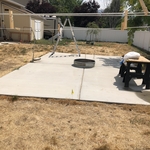
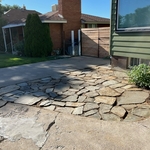
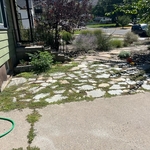
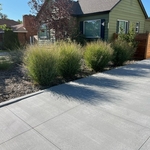
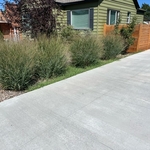
"A Very kind and knowledgeable company. Easy to work with. Very professional job. I needed to have my sprinkler control box moved so I could lay cement. Excellant work. Completed in the time they said it would take. I have put Affordable Lawn Care in my phone book for future work, and would recommend them to anyone. Very knowledgeable and honest."

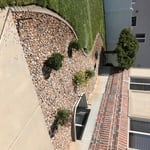
Major Sprinkler System
Yard & System Remodel
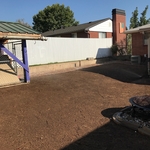
After new system and Sod installed
Before
Yard and System Remodel

+8

Response time1 day
Recommended by87%of homeowners

Avatar for TLC Home Repair and Landscape
TLC Home Repair and Landscape
4.4(
27
)
Sprinkler System for Lawn and Garden - Winterize or ActivateLawn and Garden Sprinkler System - RepairLawn and Garden Sprinkler System - Repair - For Business

Serving Hooper, UT and surrounding areas

Approved

In business since 2013

Free estimates

Emergency services offered

"Tyler and his crew repaired my sprinkler system and moved the access and plumbing away from my foundation. He also repaired a secondary water tap that waters my large garden. He then took the system through all eight stations and repaired or replaced sprinkler heads. Finally, without me having to ask him, and just because it was "bugging" him, he fixed a gate on my fence at no charge. This man is competent, incredibly honest and believes a job worth doing is worth doing to the best of his ability. I live in West Point and will definitely call upon him again. Without hesitation, my recommendation is to hire Tyler to handle your home repair needs!"
Response time2 days
2 neighbors recently requested a quote
Recommended by100%of homeowners
...
Showing 1-10 of 116
Lawn Irrigation questions, answered by experts

You can thicken new grass by using fertilizer, watering it 1 to 1½ inches per week, mowing when it is at an optimal height, and preventing weeds. You should fertilize your grass while you plant the grass seed, or soon afterward. Use an herbicide to prevent weeds or spot spray with herbicide to kill existing weeds.

Power seeding and aeration are both excellent ways to improve lawn health, but they serve different functions. Aeration focuses on improving soil health by creating channels that allow more water, oxygen, and carbon dioxide to reach the roots. In contrast, power seeding is a method of planting grass seeds, often by creating narrow trenches in the soil. One service isn't better than the other; they are complementary. It is beneficial to aerate your lawn before power seeding, as this makes the seeding more effective by helping the germinating seeds access the resources they need. It's a good practice to aerate your lawn once or twice a year, regardless of whether you plan to power seed.

This depends on the type of grass seed, as some types do better in different environmental conditions. Cool-season grasses go dormant during the summer months when the soil temperature exceeds 65 degrees Fahrenheit. Once exposed to regular doses of heat, the germination rates decline, with seedling death not far behind. 

As for warm-season seeds, they come from tropical parts of the world and thrive in heat. They actively grow in warm air temperatures between 70 and 90 degrees Fahrenheit, and they prefer soil temperatures between 65 and 70 degrees Fahrenheit. Once temperatures dip and frost rolls in, if you don’t store them properly, warm-season grass seeds will die quickly.

Yes, you can overseed your lawn without aerating it, but results may vary. If you have the time, dethatching or aerating your lawn before overseeding will yield the best results. Overseeding your lawn without aerating will work, but less seed will take root. For the best possible results, aerate your lawn before overseeding it.

In the fall, you should aerate the soil, overseed the bare spots, kill weeds, mow the lawn low, and rake your leaves. By boosting your lawn’s health in the fall, your grass will be stronger throughout the winter and come back healthier in the spring. You should also trim your perennials so that they withstand the winter and are ready for new growth in the spring. 

The Hooper, UT homeowners’ guide to lawn irrigation services

From average costs to expert advice, get all the answers you need to get your job done.