




Top-rated plaster repair specialists.

Get matched with top plaster repair specialists in Fairview, UT

Enter your zip and get matched with up to 5 pros

Need a pro for your plaster repair project in Fairview, UT?

Select your specific project to find the pro for you.

Find Plaster repair specialists in Fairview

Avatar for Umbrella Construction LLC
Umbrella Construction LLC
New to Angi
Plaster - InstallPlaster - Install - For BusinessPlaster - Repair+1 more

Serving Fairview, UT and surrounding areas

In business since 2019

Free estimates

Small jobs welcome

We are a locally owned and operated company that values honesty, integrity, and treats your home as if it were our own. We offer a variety of services that are customizable to each individual project. You will find us to be competitively priced, paying close attention to the details of each project that we are involved with. We look forward to building lasting relationships, and guarantee your satisfaction!

Response time6 hrs
Plaster Repair questions, answered by experts

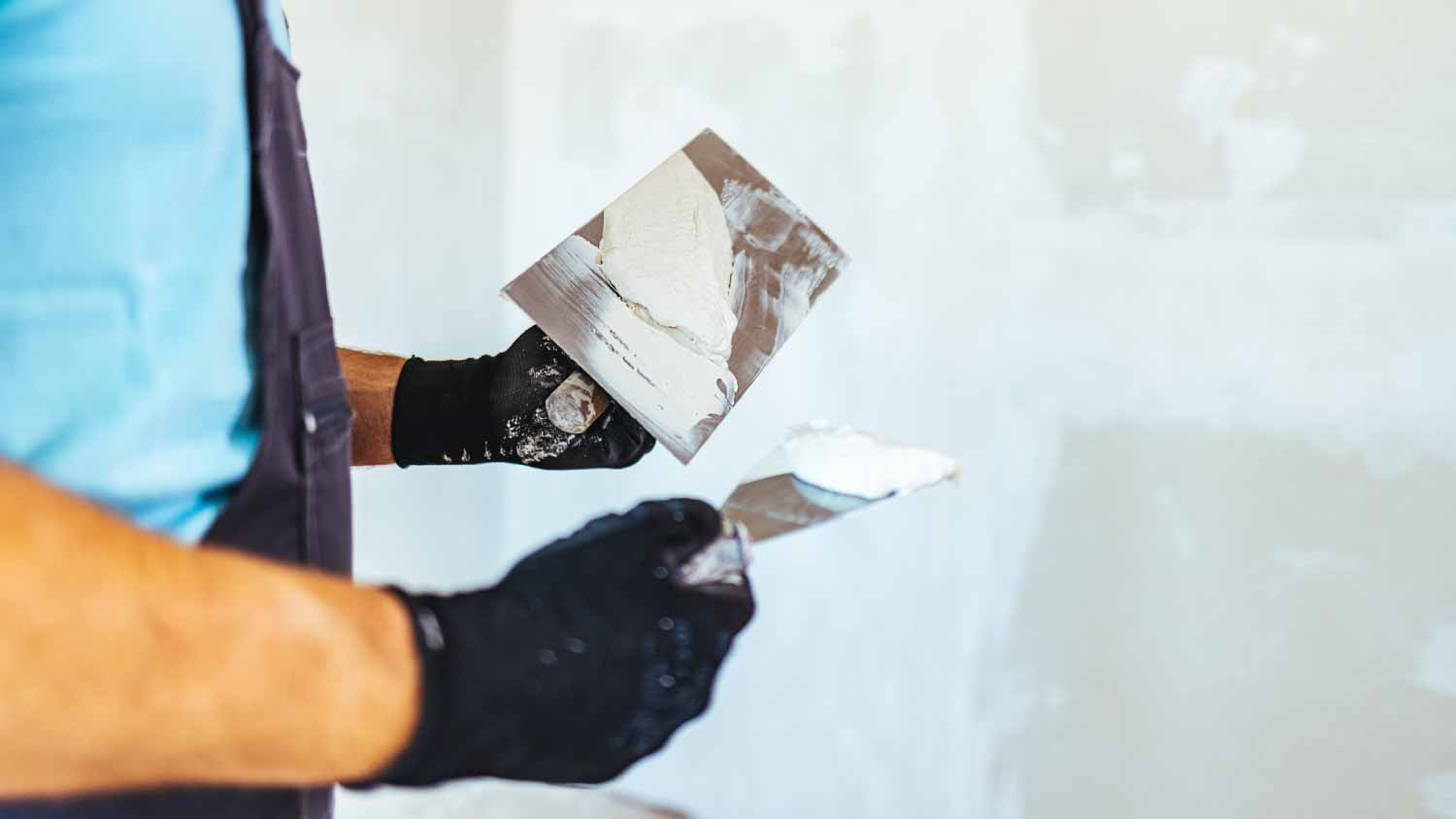
Plastering and skimming are two different techniques for finishing walls. Plastering involves applying a thick layer of a plaster mixture—typically containing gypsum, lime, cement, sand, and water—to create a new surface. This process often requires multiple coats and is used for repairing significant damage or creating decorative textures. Skimming, on the other hand, is a technique that involves applying a thin layer of drywall compound or joint compound over an existing surface to smooth it out, covering minor imperfections, small cracks, or uneven textures for a polished look. Plastering is generally more costly and labor-intensive than skimming. Although some people use the terms interchangeably, they refer to different processes and materials.

Depending on how much adhesive was used as well as the strength of the adhesive, you may have some drywall damage when removing a mirror. You can typically repair most drywall damage if it’s small by sanding the damaged area, applying spackle to smooth the damaged section so it’s flush with the rest of the wall, and repainting the area.

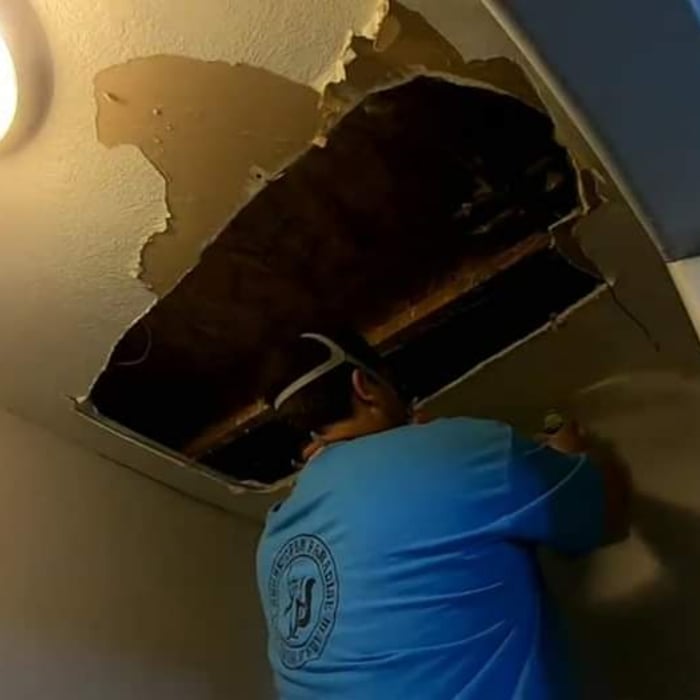
Generally, your homeowner’s insurance might only cover ceiling collapses caused by problems under the coverage, such as a busted pipe. But if the ceiling collapse resulted from owner negligence, maintenance issues, or other reasons excluded by your policy, you could be on your own. Some policies might cover damages caused by the collapse but not the repair itself. Check with your policy carrier for the most accurate information regarding ceiling collapse coverage.

Yes, you can apply new plaster over an existing plaster surface, such as a wall or ceiling, provided the old plaster is in good condition. Before you begin, check the stability of the existing plaster. The surface must be clean, free of loose material, and have no peeling paint. It is also recommended to roughen the surface slightly to promote adhesion. For older plaster, applying a base coat like a PVA emulsion or a specific bonding agent or primer is crucial. This step makes the existing plaster less porous and ensures the new and old layers adhere properly for a smooth, long-lasting finish.

It’s not a good idea to plaster over broken plaster (unless by broken you’re referring to cracked, in which case that’s perfectly fine). However, broken plaster can be a sign of a larger underlying issue like foundation damage or severe damage to the lath holding up the plaster, so it’s worth investigating before you simply plaster on top of the damage.

The Fairview, UT homeowners’ guide to plaster repairs

From average costs to expert advice, get all the answers you need to get your job done.