




Top-rated plaster repair specialists.

Get matched with top plaster repair specialists in Provo, UT

Enter your zip and get matched with up to 5 pros

Need a pro for your plaster repair project in Provo, UT?

Select your specific project to find the pro for you.

TRUSTED BY PROVO, UT HOMEOWNERS

  • Average homeowner rating star icon4.5
    Average homeowner rating
  • Verified reviews icon131
    Verified plaster repairs reviews

Find Plaster repair specialists in Provo

Avatar for AT Harris Construction
AT Harris Construction
4.9(
8
)

Serving Provo, UT and surrounding areas

Approved

In business since 2016

Free estimates

Emergency services offered

"Malcolm was on time, did exactly what I needed, even did some extra gate repair that I hadn't noticed and cleaned up everything before leaving. Rate was more than reasonable since it was over 90 degrees outside!"
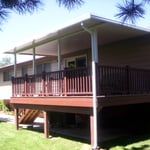
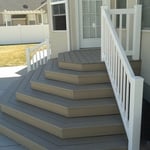
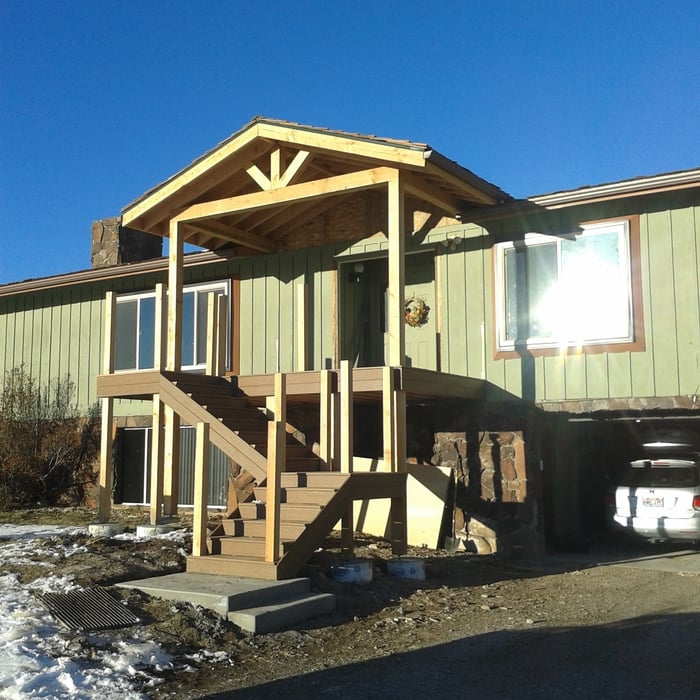
older trex deck
trex
stairs
roof
roof trex deck

+2

Response time3 hrs
Recommended by100%of homeowners
Avatar for Vasco Design, LLC
Vasco Design, LLC
4.7(
22
)

Serving Provo, UT and surrounding areas

In business since 1995

Free estimates

Credit card accepted

"Responded quickly. Quoted a price and stuck to it even though total time to complete the project was a little more than expected. Great to work with."
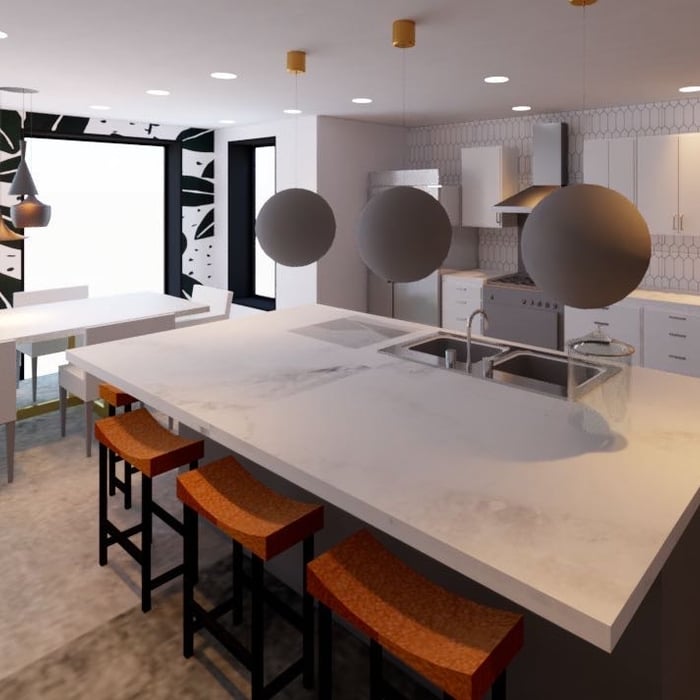
Kitchen Remodel
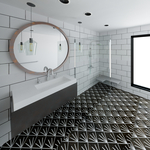
Bathroom Render - Remodel
Scandinavian Modern Kitchen
Grey-Scale Mid-Century/Modern Kitchen

+43

Response time2 days
Recommended by100%of homeowners

Utah Construction Services, LLC (AKA: UCS)
4.3(
72
)

Serving Provo, UT and surrounding areas

In business since 2009

Free estimates

Emergency services offered

"John is not the Cheapest but he is the best. He knows his trade and is very professional. He made three trips to three different suppliers to make sure our deck had the proper wood and materials, to do it right. As a All-State Insurance agent would say, "Your in Good Hands with John." If you want a job that is not done right, go hire somebody else."
 2013 HomeAdvisor Winner
Recommended by83%of homeowners
Avatar for Stud Enterprises
Stud Enterprises
5.0(
4
)

Serving Provo, UT and surrounding areas

In business since 2019

Free estimates

Credit card accepted

"I had a fantastic experience with Stud Enterprises . From start to finish, they were incredibly thorough and took the time to explain every step of the process. Their attention to detail was impressive, and I felt fully informed throughout the project. The final result exceeded my expectations, and I couldn't be happier with my newly finished basement. I highly recommend their services!"
Remodeling - General Project

+45

Recommended by100%of homeowners

Showing 1-10 of 46
Plaster Repair questions, answered by experts

Although they have similar applications, spackle and joint compound are not the same. Their primary differences lie in their composition, consistency, and ideal use cases.

Spackle is composed of gypsum and binding agents, making it thicker than joint compound. It dries quickly and is easy to sand, which makes it ideal for small wall repair projects like filling nail holes or patching minor damage.

Joint compound, also known as drywall mud, consists of limestone and gypsum. It is primarily used for large-scale projects, such as taping and finishing the seams on newly installed drywall. It tends to shrink more than spackle and can be more difficult to spread.

While both products can be used to fill small depressions and cracks, spackle cannot replace joint compound for taping and mudding new drywall. Conversely, you can often use joint compound for small patching jobs typically done with spackle.

Only use spackle on plaster walls when the imperfection is small. It’s best used for nail holes or small dings in the plaster. Spackle dries quickly, allowing you to continue the repair process shortly after using it. Plaster can be tricky to repair, though, so if you run into issues, call a pro so that you don’t risk further damage.

Plaster ceilings can sag for several reasons. In some cases, the plaster and other building materials shift and come apart over time, which is why you’ll commonly find drooping plaster ceilings in older homes. Improper installation, foot traffic, and water damage—often from a leaky roof or a broken pipe—can also cause plaster ceilings to sag.

Common causes include water leaks, settling, and impact. Address underlying issues to prevent recurring damage.

You’ll want to inspect your plaster walls for signs of damage before painting. If you notice soft spots, deep cracks, bubbling, or areas where the plaster is crumbling or pulling away from the wall, it likely needs repair. While small hairline cracks are common and likely cosmetic, you should address larger issues before painting to ensure a quality, smooth finish.

The Provo, UT homeowners’ guide to plaster repairs

From average costs to expert advice, get all the answers you need to get your job done.