Top-rated plaster repair specialists.

Get matched with top plaster repair specialists in Vineyard, UT

Enter your zip and get matched with up to 5 pros

Need a pro for your plaster repair project in Vineyard, UT?

Select your specific project to find the pro for you.

TRUSTED BY VINEYARD, UT HOMEOWNERS

  • Average homeowner rating star icon4.6
    Average homeowner rating
  • Verified reviews icon143
    Verified plaster repairs reviews

Find Plaster repair specialists in Vineyard

Avatar for AT Harris Construction
AT Harris Construction
4.9(
8
)
Plaster - RepairPlaster - Repair - For Business

Serving Vineyard, UT and surrounding areas

Approved

In business since 2016

Free estimates

Emergency services offered

"Malcolm was on time, did exactly what I needed, even did some extra gate repair that I hadn't noticed and cleaned up everything before leaving. Rate was more than reasonable since it was over 90 degrees outside!"
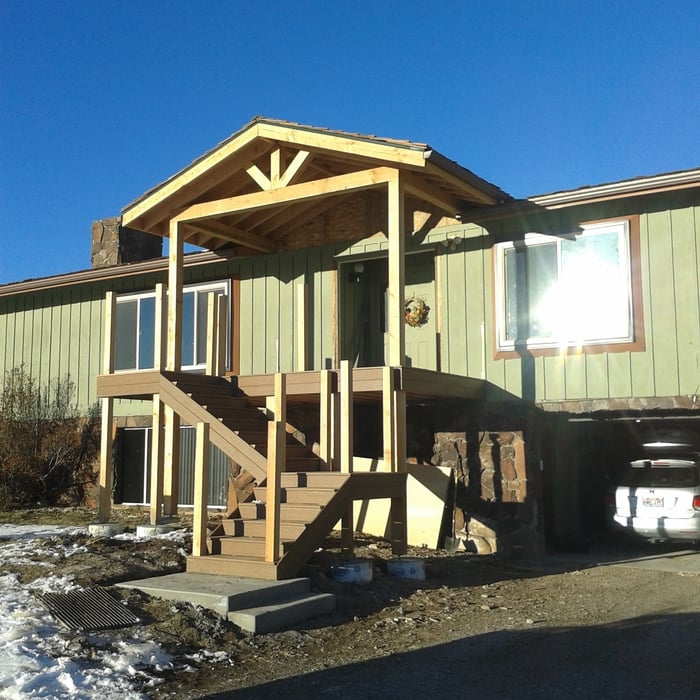
older trex deck
trex
stairs
roof
roof trex deck

+2

Response time4 hrs
Recommended by100%of homeowners
Avatar for Stud Enterprises
Stud Enterprises
5.0(
4
)
Plaster - InstallPlaster - Install - For BusinessPlaster - Repair+1 more

Serving Vineyard, UT and surrounding areas

In business since 2019

Free estimates

Credit card accepted

"I had a fantastic experience with Stud Enterprises . From start to finish, they were incredibly thorough and took the time to explain every step of the process. Their attention to detail was impressive, and I felt fully informed throughout the project. The final result exceeded my expectations, and I couldn't be happier with my newly finished basement. I highly recommend their services!"
Remodeling - General Project

+45

Recommended by100%of homeowners
Showing 1-10 of 42
Plaster Repair questions, answered by experts

Drying alone can take 1 to 4 hours to dry to the touch per plaster layer, but some types of plaster take several hours longer to dry. However, this doesn’t mean the job is done because plaster doesn’t fully harden until it cures, which can take a few days to a couple of weeks. It may take even longer if you’re building a new, pretty thick plaster wall. Allow the plaster to cure before painting it.

Yes, you can use drywall repair techniques for some types of plaster damage. Tiny holes and small cracks in plaster can be patched in similar ways to drywall. You apply the necessary compound to fill the hole, wait for it to dry, then sand it down. For larger damage, like water damage or mold, you need to use plaster-specific techniques and materials.

Plastering and skimming are two different techniques for finishing walls. Plastering involves applying a thick layer of a plaster mixture—typically containing gypsum, lime, cement, sand, and water—to create a new surface. This process often requires multiple coats and is used for repairing significant damage or creating decorative textures. Skimming, on the other hand, is a technique that involves applying a thin layer of drywall compound or joint compound over an existing surface to smooth it out, covering minor imperfections, small cracks, or uneven textures for a polished look. Plastering is generally more costly and labor-intensive than skimming. Although some people use the terms interchangeably, they refer to different processes and materials.

Both plaster and drywall are durable wall finishes, but they differ significantly in installation, cost, performance, and aesthetics.

Installation & Cost: Drywall installation is faster and more affordable, typically costing $1.50 to $3 per square foot. It uses premade sheets, making it a more accessible DIY project. Plastering is a labor-intensive craft that requires specialized skills, pushing costs to $2 to $10 per square foot. It involves applying a wet paste over a lath framework.

Durability & Performance: Plaster is generally more durable, longer-lasting, and provides superior soundproofing. It is also a better insulator, which can help reduce energy costs. Drywall is easier to remove for future renovations.

Aesthetics: Drywall provides a smooth, uniform surface ready for paint or texture. Plaster offers a high-end, naturally textured look that can hide imperfections and is often preferred for achieving a classic or historic aesthetic.

Which is better? The choice depends on your priorities. Drywall is ideal for those prioritizing a lower upfront cost, faster installation, and DIY potential. Plaster is the better option for a higher-end project where durability, soundproofing, and a unique, premium finish are more important than the initial cost.

You can put certain types of plaster over other types, but doing so isn't always the best idea. For example, putting a coat of gypsum over lime plaster is possible, but doing so will limit the lime plaster's breathability and potentially affect its performance.
Since cement plaster tends to leave a textured surface, no matter how much you smooth it, some people prefer to use gypsum plaster as a topcoat over cement plaster, creating a smoother surface.

The Vineyard, UT homeowners’ guide to plaster repairs

From average costs to expert advice, get all the answers you need to get your job done.