






Top-rated septic tank pros.

Get matched with top septic tank pros in Fairview, UT

Enter your zip and get matched with up to 5 pros

Need a pro for your septic tank service project in Fairview, UT?

Select your specific project to find the pro for you.

Find Septic tank pros in Fairview

Avatar for Dutson Pumping and Septic
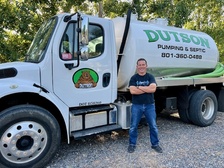
Dutson Pumping and Septic
5.0(
6
)

Serving Fairview, UT and surrounding areas

In business since 2022

Free estimates

Offers commercial services

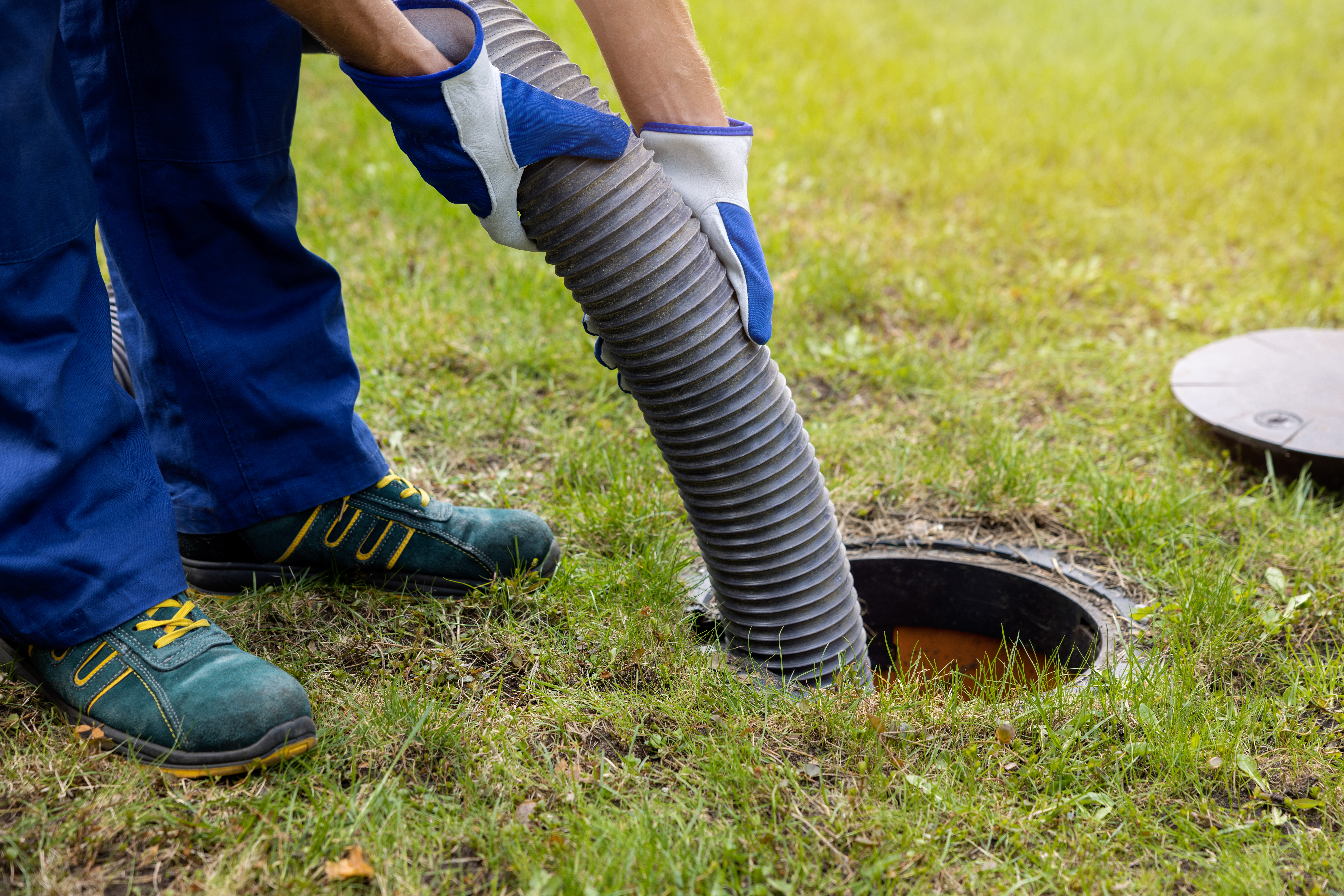
"Mr. Dutson was a dream to work with. From the very beginning, his communication was professional and he responded immediately to any questions and to setting up an appointment. At the tank, he was amazing to get the access cover off, even though it had problems with it. The tank hadn't been pumped in several years, which made the job more difficult. However, Mr. Dutson handled the job like it was easy. He was efficient and thorough, including washing the tank down. There was even something that looked like old construction debris in the tank that he was able to get out--something that the previous pumping company had left behind. Mr. Dutson was so friendly and professional. He was patient to answer all of my questions regarding septic tanks and additives. His wealth of knowledge was impressive. I would recommend him to anyone. I will always use him for my septic tank needs."
Response time10 hrs
Response rate100%
Recommended by100%of homeowners

Avatar for American Home Shield – Home Warranty
American Home Shield – Home Warranty
3.5(
5,688
)

Serving Fairview, UT and surrounding areas

In business since 1971

Credit card accepted

"The technician emptied the freezer, which was in the basement, to work on the part that needed repair. Then he neglected to put anything back into the freezer, including a turkey I had bought for Christmas and a rack of ribs. Two days after he left, I went out of town for two weeks. The turkey actually exploded and spewed its liquid all over everything, which had to be discarded. I let AHS know and they couldn't even bother to call me or follow up on this. I'm considering not renewing my contract with them because of the quality (or lack thereof) of many of the providers they send."
Additional Photos
Additional Photos
Additional Photos
Additional Photos
Additional Photos

+2

Recommended by65%of homeowners
Septic Tanks questions, answered by experts

Most septic tanks can handle two to three loads of laundry per day, or a weekly total of between seven and 10 loads. Although septic systems do require homeowners to be somewhat careful with their plumbing systems—for instance, it’s not a good idea to flush a bunch of toilet paper all at once—they can still handle fairly heavy use.

Common signs that a septic tank is full include plumbing issues, odors, and changes in your yard. You may notice wastewater or sewage backing up into your home's drains, or that sinks, tubs, and toilets are draining slowly. Gurgling or bubbling sounds from the pipes are also a key indicator. Outside, you might smell foul sewage odors around your house or the septic tank area. Look for pooling water, spongy soil, or a marshy environment around the drain field. Another tell-tale sign is a patch of grass over the septic system that is suddenly lusher and greener than the rest of your lawn. If you notice any of these signs, you should contact a septic professional for an inspection and pumping.

Because well water is not artificially filtered or pre-treated, it may contain contaminants. As a result, it’s possible for well water to damage pipes based on what is in the water. Well water can be corrosive, slowly rusting and dissolving pipes, fixtures, and fittings. The corrosion can affect the taste and quality of the drinking water that comes out of the taps in your home. 

Yes, shower water goes into the septic tank. Shower water is a type of greywater, and in fact, all water used in a home with a septic system—including water from sinks, toilets, the dishwasher, and the washing machine—drains into the tank. When shower water enters the tank, debris like soap and hair travels with it. The solid debris sinks to the bottom to become sludge, while soap residue joins the scum layer at the top. The remaining water is treated in the tank before moving to the drain field for further treatment and dispersal. It is important to avoid putting oil or harsh chemicals down any drain, as they can cause clogs or disrupt the beneficial bacteria required for proper wastewater management in the septic system.

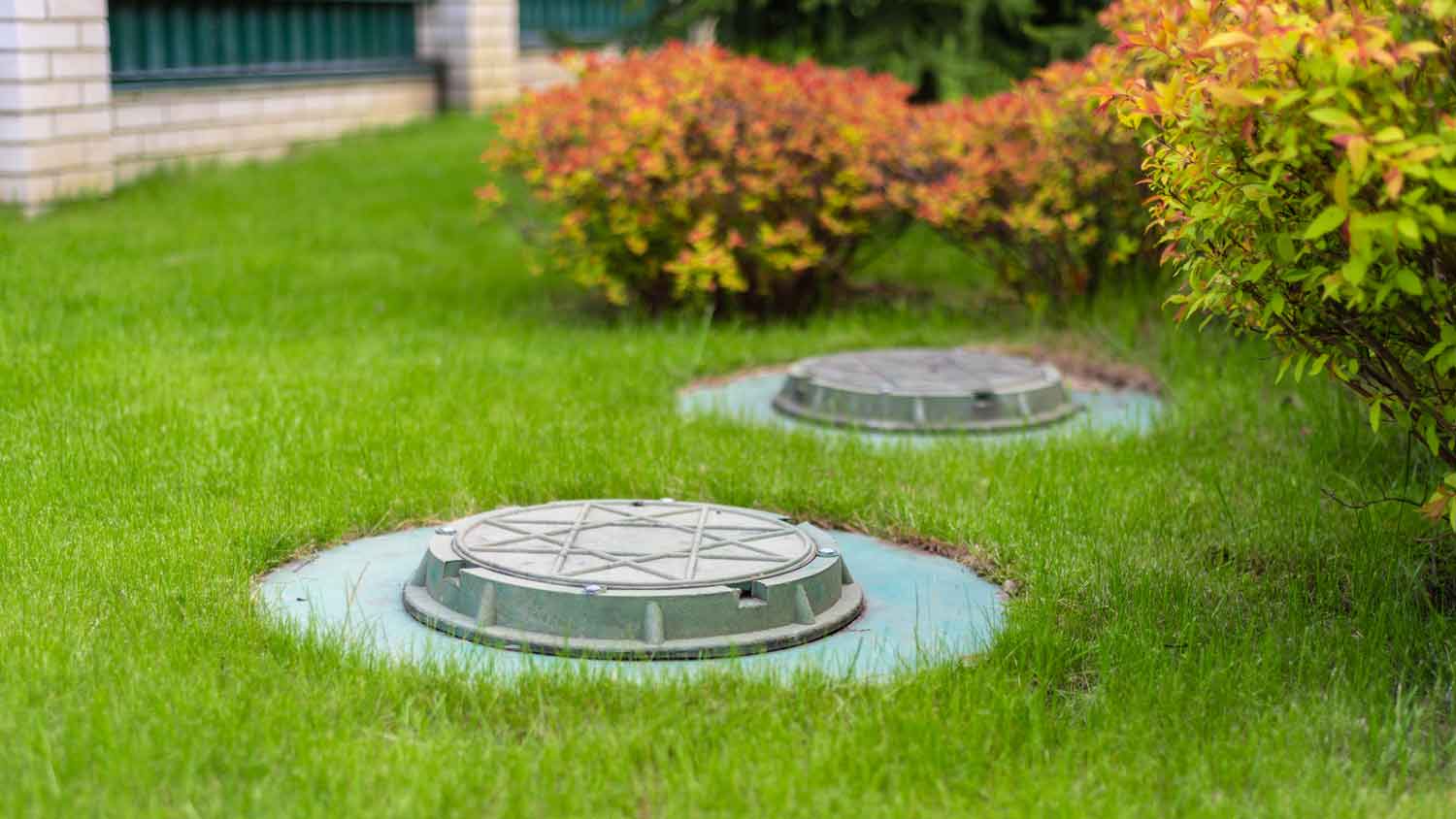
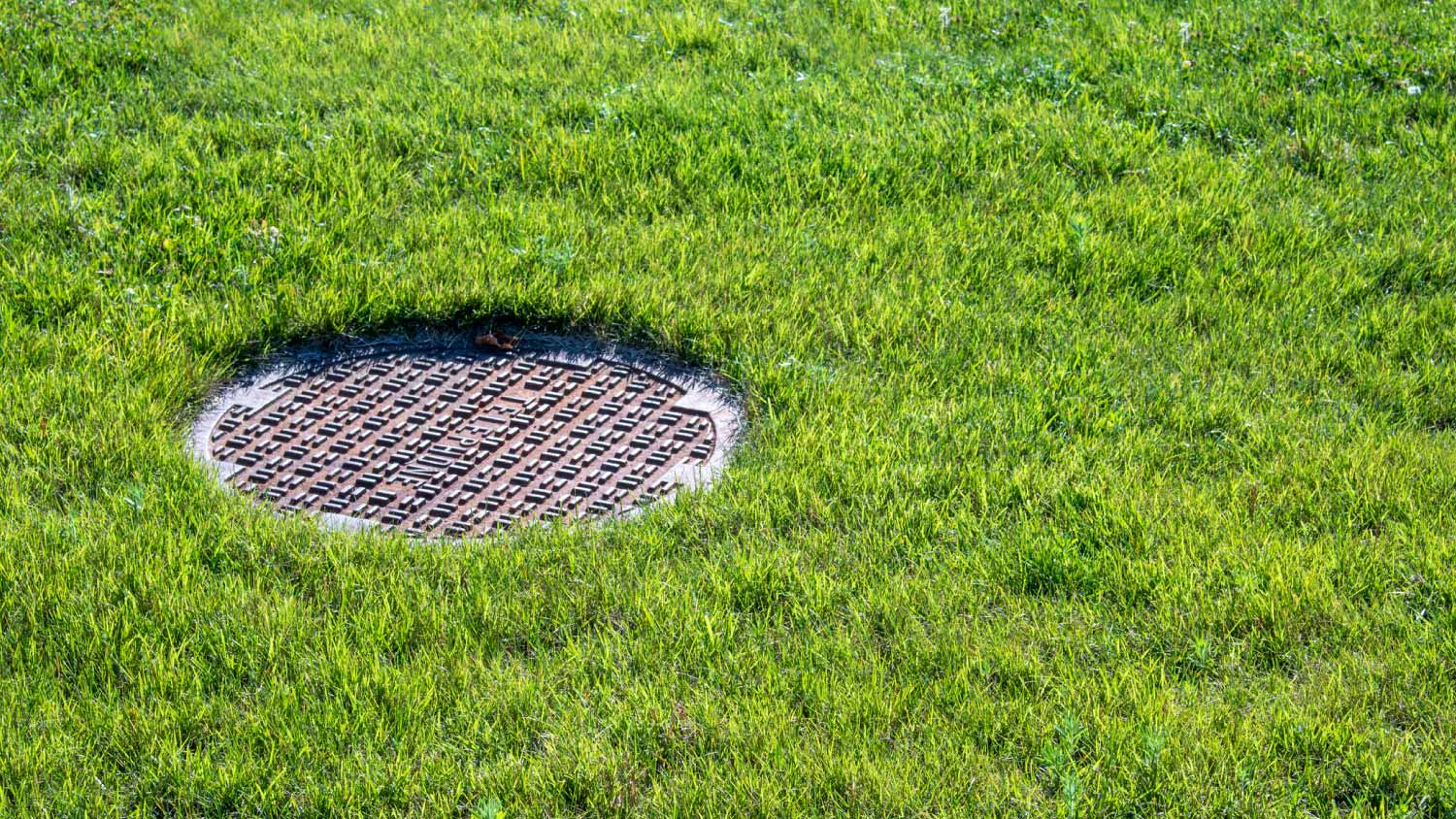
A septic tank lid is often 1 foot underground, but it could be just 4 inches from the surface or 4 feet deep. For septic tank lids that are closer to the surface, you’ll have an easier time locating them just by looking for signs in the yard or using a metal probe. But for septic tanks that are buried deeper underground, you’ll need to hire a pro with specialized equipment to track down the lid without risk of damaging utility lines.

The Fairview, UT homeowners’ guide to septic tank services

From average costs to expert advice, get all the answers you need to get your job done.