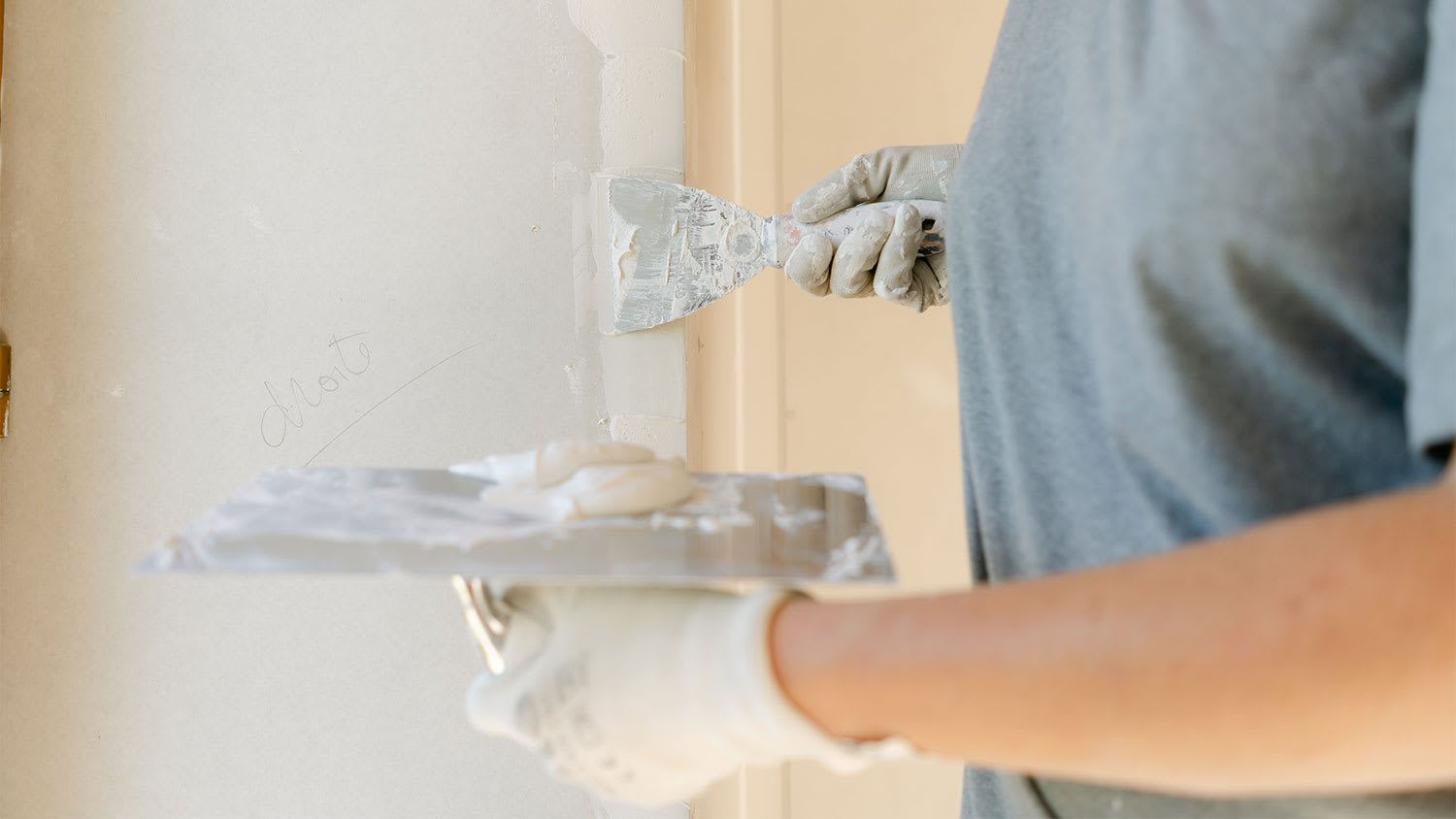









Top-rated plaster repair specialists.

Get matched with top plaster repair specialists in Lindon, UT

Enter your zip and get matched with up to 5 pros

Need a pro for your plaster repair project in Lindon, UT?

Select your specific project to find the pro for you.

TRUSTED BY LINDON, UT HOMEOWNERS

  • Average homeowner rating star icon4.6
    Average homeowner rating
  • Verified reviews icon226
    Verified plaster repairs reviews

Find Plaster repair specialists in Lindon

Avatar for AT Harris Construction
AT Harris Construction
4.9(
8
)
Plaster - RepairPlaster - Repair - For Business

Serving Lindon, UT and surrounding areas

Approved

In business since 2016

Free estimates

Emergency services offered

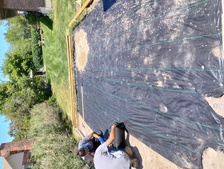
"Malcolm was on time, did exactly what I needed, even did some extra gate repair that I hadn't noticed and cleaned up everything before leaving. Rate was more than reasonable since it was over 90 degrees outside!"
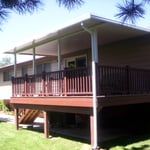
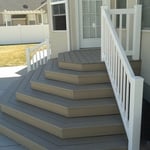
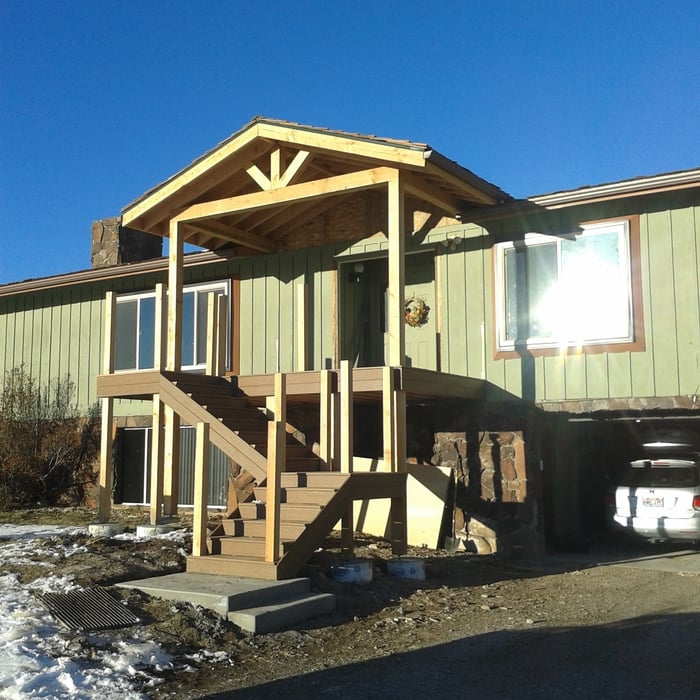
older trex deck
trex
stairs
roof
roof trex deck

+2

Response time4 hrs
Recommended by100%of homeowners
Avatar for PatchMaster of Utah County
PatchMaster of Utah County
4.2(
36
)
Plaster - RepairPlaster - Repair - For Business

Serving Lindon, UT and surrounding areas

In business since 2016

Free estimates

Warranties offered

"The work was great quality when completed. It was a small patch in the ceiling where a pipe had broken, an area of about 2 feet by 1 1/2 ft. I spoke with the company initially on Oct 9, but due to a busy schedule and some unfortunate van problems, it ended up being 2 weeks before the work could be done. But great work when it was!!"
Curved Corner Bead
Curved Corner Bead -2
Hung And Taped
Textured and Primed
Textured and Primed 2

+6

Response time1 day
Recommended by100%of homeowners

Avatar for Stud Enterprises
Stud Enterprises
5.0(
4
)
Plaster - InstallPlaster - Install - For BusinessPlaster - Repair+1 more

Serving Lindon, UT and surrounding areas

In business since 2019

Free estimates

Credit card accepted

"I had a fantastic experience with Stud Enterprises . From start to finish, they were incredibly thorough and took the time to explain every step of the process. Their attention to detail was impressive, and I felt fully informed throughout the project. The final result exceeded my expectations, and I couldn't be happier with my newly finished basement. I highly recommend their services!"
Remodeling - General Project

+45

Recommended by100%of homeowners
Showing 1-10 of 38
Plaster Repair questions, answered by experts

Common causes of ceiling cracks along drywall seams include poor drywall installation techniques, structural issues, truss uplift, and foundation problems. Temperature and humidity also play major roles in ceiling cracks flush with the wall. As the drywall shrinks and expands from major temperature changes or extreme humidity shifts, this can cause the drywall to crack.

Common causes include water leaks, settling, and impact. Address underlying issues to prevent recurring damage.

All plaster walls will crack over time due to normal house settling and expansion and contraction from temperature and moisture changes. Small, thin hairline cracks are generally not serious and are mostly a cosmetic issue. However, larger or more significant cracks can indicate structural problems.

Here's how to tell the difference:

  • Cosmetic Cracks: Cracks that are 0.5 cm (0.2 inches) or thinner are typically cosmetic.

  • Structural Cracks: Cracks wider than 0.5 cm, excessive or deep cracks, multiple cracks in the same area, or cracks that span around corners can signify a structural or foundation issue. Cracks along the joints where walls meet the ceiling also warrant attention.
For cracks wider than 0.5 cm, structural repair is needed. If a crack is 2.5 cm (1 inch) or wider, or if you notice any signs of a structural problem, it is best to contact a plaster repair professional to assess the damage.

Although they have similar applications, spackle and joint compound are not the same. Their primary differences lie in their composition, consistency, and ideal use cases.

Spackle is composed of gypsum and binding agents, making it thicker than joint compound. It dries quickly and is easy to sand, which makes it ideal for small wall repair projects like filling nail holes or patching minor damage.

Joint compound, also known as drywall mud, consists of limestone and gypsum. It is primarily used for large-scale projects, such as taping and finishing the seams on newly installed drywall. It tends to shrink more than spackle and can be more difficult to spread.

While both products can be used to fill small depressions and cracks, spackle cannot replace joint compound for taping and mudding new drywall. Conversely, you can often use joint compound for small patching jobs typically done with spackle.

It is possible to apply plaster on the interior or exterior of your home, but we don’t recommend it. Plaster is easy to apply in theory, but in reality, it can be a challenging material to work with, and it’s difficult to get the finished product to look clean, even, and smooth. Many DIYers end up calling in a professional afterward to touch up the area or even redo it entirely because of mistakes they made in the process. Hiring a plaster pro will cost more, but it’s usually the best option to achieve high-quality results.
The Lindon, UT homeowners’ guide to plaster repairs

From average costs to expert advice, get all the answers you need to get your job done.