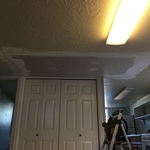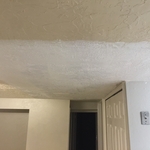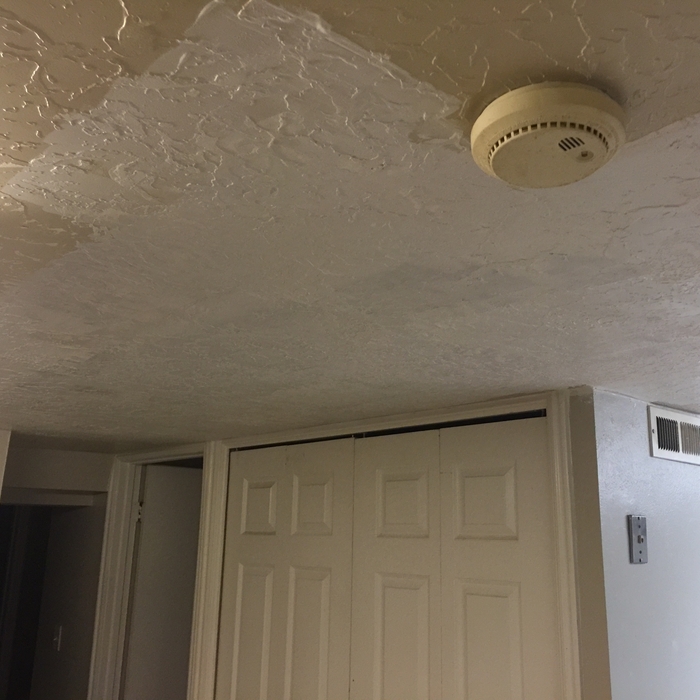





Top-rated plaster repair specialists.

Best plaster repair specialists near Eagle Mountain, UT

Enter your zip and get matched with up to 5 pros

Need a pro for your plaster repair project in Eagle Mountain, UT?

Select your specific project to find the pro for you.

TRUSTED BY EAGLE MOUNTAIN, UT HOMEOWNERS

  • Average homeowner rating star icon4.6
    Average homeowner rating
  • Verified reviews icon334
    Verified plaster repairs reviews

Top-Rated Plaster repair specialists in Eagle Mountain - Updated Nov 2026

Avatar for AT Harris Construction
AT Harris Construction
4.9(
8
)
Plaster - RepairPlaster - Repair - For Business

Serving Eagle Mountain, UT and surrounding areas

Approved

In business since 2016

Free estimates

Emergency services offered

"Malcolm was on time, did exactly what I needed, even did some extra gate repair that I hadn't noticed and cleaned up everything before leaving. Rate was more than reasonable since it was over 90 degrees outside!"
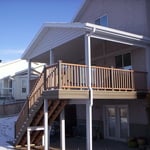
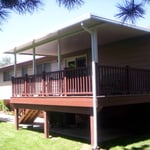
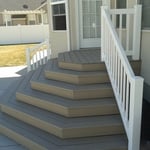
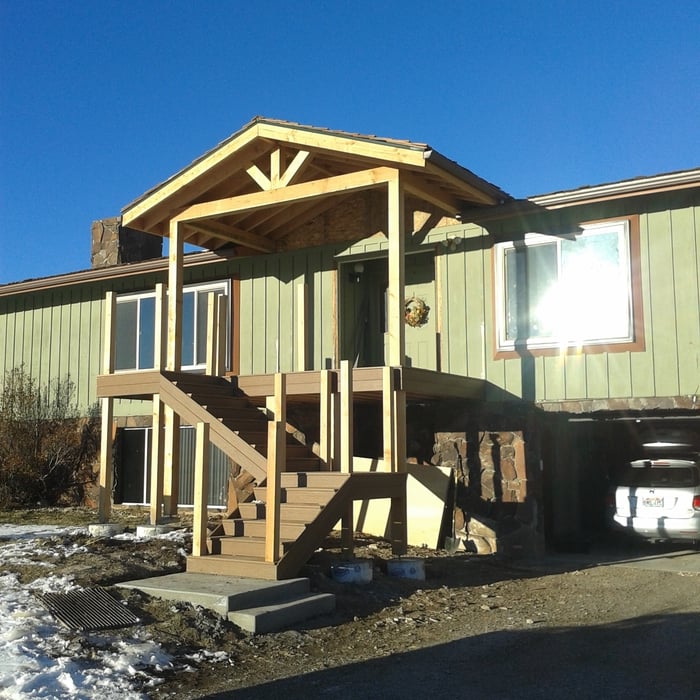
older trex deck
trex
stairs
roof
roof trex deck

+2

Response time4 hrs
1 neighbors recently requested a quote
Recommended by100%of homeowners
Avatar for Vasco Design, LLC
Vasco Design, LLC
4.7(
22
)
Plaster - RepairPlaster - Repair - For Business

Serving Eagle Mountain, UT and surrounding areas

In business since 1995

Free estimates

Credit card accepted

"I actually just called to get an idea of how to fix my dryer. I already had it apart and had eliminated a couple possible issues. Turns out they were on their way back from a meeting elsewhere, so they didn't have their attire or equipment, but they were willing to come check it out. They stayed for about 2 hours trying to figure it out. Since they didn't really replace any parts and could not actually fully repair it, they didn't charge for their time or service. They did tell me which part I needed to order and where it needs to be hooked up. These guys were a huge help and super friendly and professional. I learned a lot from their time here. I would totally consider working with them if I had a project I needed help with."
Kitchen Remodel
Bathroom Render - Remodel
Scandinavian Modern Kitchen
Grey-Scale Mid-Century/Modern Kitchen

+43

Response time2 days
Recommended by100%of homeowners

Showing 1-10 of 50
Plaster Repair FAQs, answered by experts

Although they are used for similar tasks, spackle and joint compound are not the same. Joint compound, also known as drywall mud, consists of limestone and gypsum and is primarily used for large-scale projects like taping and finishing seams on new drywall. Spackle is composed of gypsum and binding agents, making it a thicker compound best suited for small wall repairs like filling nail holes or cracks, as it dries quickly and is easy to sand. For small repairs, either product can be suitable. However, you can use joint compound for small jobs in place of spackle, but you cannot use spackle for large-scale taping and mudding projects.

Plastering and skimming are two different techniques for finishing walls. Plastering involves applying a thick layer of a plaster mixture—typically containing gypsum, lime, cement, sand, and water—to create a new surface. This process often requires multiple coats and is used for repairing significant damage or creating decorative textures. Skimming, on the other hand, is a technique that involves applying a thin layer of drywall compound or joint compound over an existing surface to smooth it out, covering minor imperfections, small cracks, or uneven textures for a polished look. Plastering is generally more costly and labor-intensive than skimming. Although some people use the terms interchangeably, they refer to different processes and materials.

It may take a bit of patience and trial and error to match your particular drywall texture type when making repairs. For orange peel or knockdown finishes, use a spray texture product or a thinned joint compound applied with a roller or sponge. Practice on scrap drywall or cardboard first. Once dry, lightly sand and prime before painting.

Common causes include water leaks, settling, and impact. Address underlying issues to prevent recurring damage.

All plaster walls will crack over time due to normal house settling and expansion and contraction from temperature and moisture changes. Small, thin hairline cracks are generally not serious and are mostly a cosmetic issue. However, larger or more significant cracks can indicate structural problems.

Here's how to tell the difference:

  • Cosmetic Cracks: Cracks that are 0.5 cm (0.2 inches) or thinner are typically cosmetic.

  • Structural Cracks: Cracks wider than 0.5 cm, excessive or deep cracks, multiple cracks in the same area, or cracks that span around corners can signify a structural or foundation issue. Cracks along the joints where walls meet the ceiling also warrant attention.

For cracks wider than 0.5 cm, structural repair is needed. If a crack is 2.5 cm (1 inch) or wider, or if you notice any signs of a structural problem, it is best to contact a plaster repair professional to assess the damage.

The Eagle Mountain, UT homeowners’ guide to plaster repairs

From average costs to expert advice, get all the answers you need to get your job done.