


In addition to flashing, a roof cricket can help divert water around your chimney so that it drains properly off your roof. It’s shaped like a double triangle and is installed behind the chimney so that falling water spills evenly down each side. This helps prevent water from accumulating behind your chimney, which can increase water damage and the risk of leaks.
The International Building Code (IBC) requires cricket installation if a chimney built after 2012 measures over 30 inches in width. Chimneys constructed before that date are typically grandfathered in and aren’t required to have crickets installed.
The National Fire Protection Association (NFPA) says that chimneys and their associated elements like fireplaces, vents, or stoves should be cleaned at least once a year before the start of seasonal use. According to the Chimney Safety Institute of America, a chimney should be cleaned when there is 1/8 inch of soot buildup. If there’s more than that, creosote—a flammable byproduct of burning wood—can form and increase the risk of a chimney fire.
If you're looking for supplemental heating for your home, an electric fireplace can be worth purchasing. A prefab, freestanding model will only set you back a few hundred dollars and can help to heat up drafty or cooler rooms. Electric fireplaces don't have the maintenance requirements of gas or wood-burning fireplaces and don't require you to buy wood or other fuel.
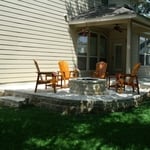
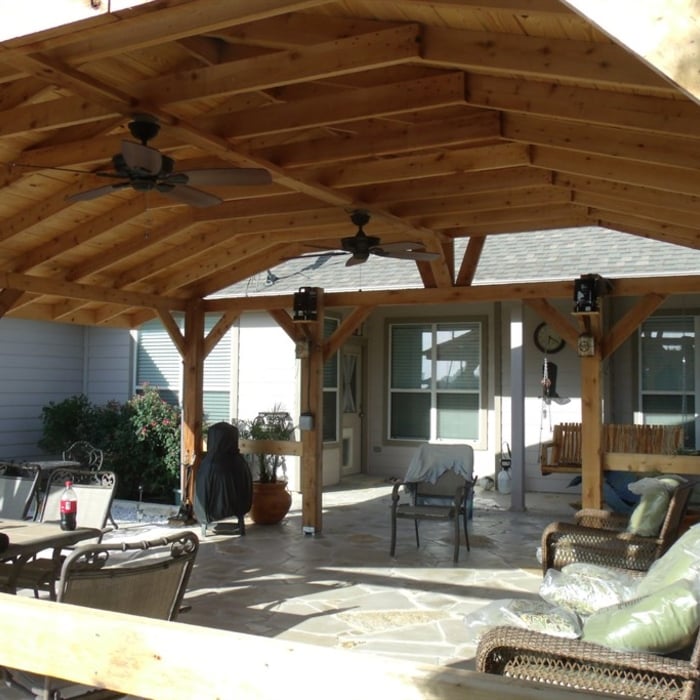
Outdoor fireplaces are extremely sturdy if constructed correctly, but they do require regular maintenance. The good news is that cleaning and checking the fireplace needs to be done just once a year. However, for safety reasons, let a professional clean the fireplace. Homeowners should expect to pay between $100and$300 for outdoor fireplace maintenance. Any damage to the fireplace itself, however, will cost much more to repair.
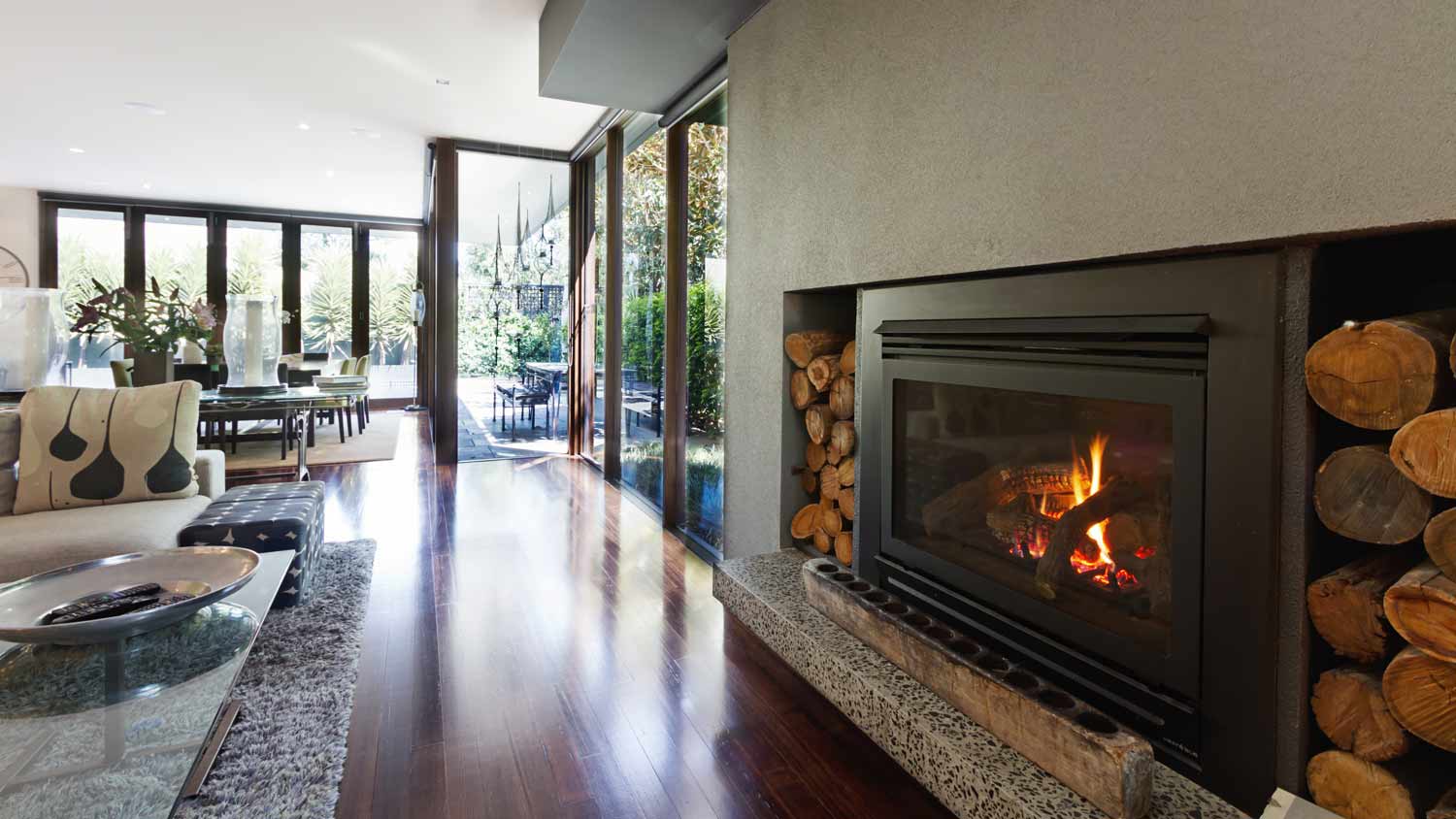
Wood is classified as either hardwood or softwood. For firewood, hardwoods are generally the best choice as they tend to burn longer, hotter, and produce less smoke than softwoods. Recommended hardwoods include oak, hickory, maple, cherry, ash, beech, birch, elm, and walnut. Oak is a particularly good option as it's widely available, slow-burning, and doesn't produce much smoke or sparks. Some woods, like oak, hickory, and cherry, also emit a pleasant scent. It is best to avoid softwoods such as eucalyptus, poplar, and willow, as they create a lot of smoke and have a high moisture content that makes them difficult to light and burn efficiently.
The Sunset, TX homeowners’ guide to fireplace services
From average costs to expert advice, get all the answers you need to get your job done.
With a gas fireplace, it’s important to stay up-to-date on your inspections. Learn more about how much gas fireplace inspections cost before you book one.
This guide shares information about the cost to remove a gas fireplace, including the average price to additionally remove the breast, stack, and chimney flue as well as which experts will be needed to complete the project.
Many homeowners upgrade their old fireplace with inserts to get more heat and save energy and money. Learn more about the cost of installing a fireplace insert.
Find out if you really need a chimney to install a fireplace in your home. This guide helps you understand your options, such as a ventless fireplace, when choosing the right fireplace for your home if you don't have a chimney.