




Top-rated window tinters.

Best window tinters near Dale, TX

Enter your zip and get matched with up to 5 pros

Need a pro for your window tinting project in Dale, TX?

Select your specific project to find the pro for you.

Top-Rated Window tinters in Dale - Updated Nov 2026

Advanced Window Tint
5.0(
4
)
Window Tinting - Apply or ReplaceWindow Tinting - Apply or Replace - For Business

Serving Dale, TX and surrounding areas

In business since 2003

Free estimates

Warranties offered

"Called promptly. Set up appointment to bring out samples at our convenience. Directed us to other homes in the neighborhood that they have worked on. Thoroughly explained the pro/cons of each product while showing it to is in our own home in the windows it was going to be put on."
Recommended by100%of homeowners
Avatar for Clear Choice USA of Austin
Clear Choice USA of Austin
4.3(
48
)
Window Tinting - Apply or Replace

Serving Dale, TX and surrounding areas

In business since 1994

Credit card accepted

"They do exceptional window work. We had them install all windows in our house and they are extremely good. They are not a big company but they are the most professional I had and I was very satisfied their double pane inert gas windows. They open up so I can wash them the inside. They are a good company and I was very pleased with them.  I intend to use them again in our new house."
Recommended by86%of homeowners
Showing 1-10 of 27
Window Tinting FAQs, answered by experts

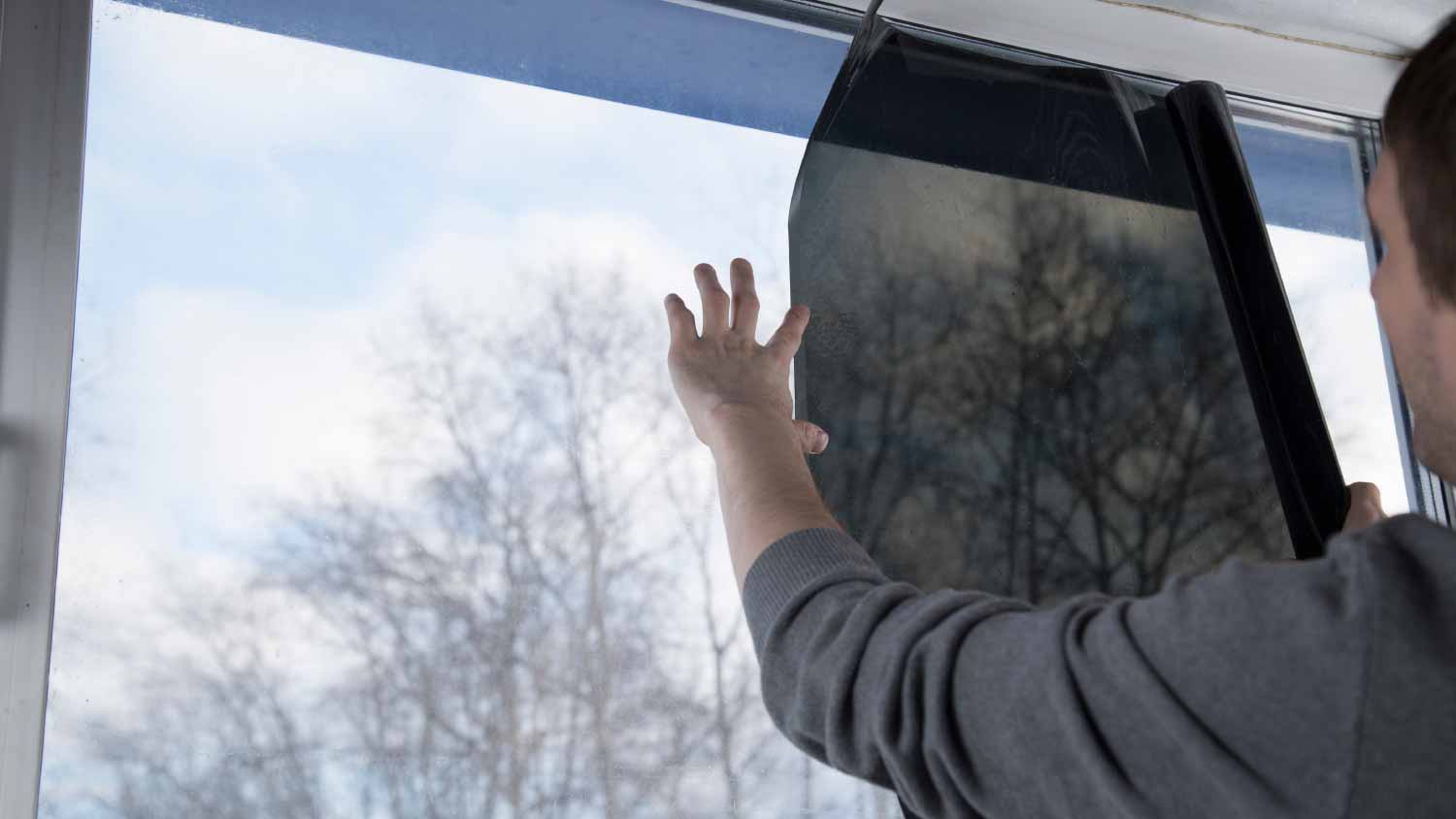
Whether window film is better depends on individual preferences and specific needs. In some instances, window film can be much less costly to install. Aesthetics is also a deciding factor. Window film may have a more significant appeal for design minimalists looking for a clean and streamlined look without the heaviness that comes with curtains. On the flip side, they can also appeal to design maximalists looking for creative expression in the form of color, patterns, and texture. Choosing between window film and traditional window coverings depends on factors like desired functionality, aesthetics, and personal preferences.

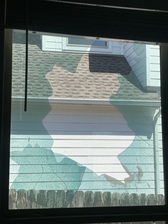
Window security film won’t prevent break-ins or stop your window from shattering from impact during extreme weather like hurricanes or tornadoes. However, applying security film is relatively inexpensive, and it can make breaking into your home significantly harder—often hard enough to deter burglars entirely—and keep your window from shattering on your floor after impact. For these reasons, window security film is often a worthwhile investment that helps protect your property.

Cellular shades, also known as honeycomb shades, are the most energy-efficient and insulating window treatments. Their honeycomb structure is made of soft fabric that forms layered cell pockets. These pockets trap air, creating a thermal barrier that reduces heat loss in the winter and blocks heat gain in the summer. For even greater insulation, consider double- or triple-cell varieties. Side-tracked cellular shades, which seal the edges of the window frame, can further minimize air leaks and maximize energy efficiency.

The most popular tint percentage for home windows is 35%. Generally, most homeowners choose a visible light transmission (VLT) between 50% and 35%, where lower numbers mean less sunlight enters the home. A 35% tint blocks over half the incoming light while still allowing plenty of natural light, which can improve energy efficiency and comfort. If privacy is a primary concern, you can opt for a tint of 50% or lower to make it more difficult for people to see inside. However, keep in mind that very dark, thick tints may offer fewer energy-efficiency benefits.

Unlike cars, there are no laws regulating window tint percentages on homes, so you can choose what you think is best. It is often a good idea to hire a professional, as they can show you samples of how different tint levels will look in your specific property, helping you make the right choice.

The ideal thickness of window film depends on various factors and specific needs. Thicker films generally offer increased durability and enhanced security benefits. They are also typically more effective at reducing heat and blocking UV rays. However, thinner options may be preferable for some applications, such as decorative or privacy films. Thinner films are easier to apply and provide adequate privacy without compromising visibility. Ultimately, the best thickness of window film will depend on your specific requirements, desired benefits, and the recommendations of professional installers.

The Dale, TX homeowners’ guide to window tinting services

From average costs to expert advice, get all the answers you need to get your job done.