
•
Find out the average home window tinting cost, key price factors, and ways to save. Get transparent estimates for your window tinting project.
Block harmful rays without losing the views

Window tints for a house come in eight distinct types, including security films that strengthen glass, low-E films that block heat, and privacy tints that limit visibility.
Window tint film costs $2 to $14 per square foot for materials, and choosing the right type depends on your specific needs for privacy, security, or energy efficiency.
Check with your landlord or HOA before installing any residential window tint, as many properties have rules about which types and shades you can use on your windows.
Hiring a local window tinting professional provides reliable guidance on selecting the right film for your home and ensures proper installation without bubbles or peeling.
As much as we love our bay windows and sliding glass doors, we can take them to the next level by improving their security, reducing their glare, and better insulating them with one of the many types of window tint for homes. Window tints either adhere or spray onto existing glass, increasing your home's security, efficiency, or style. You can even tint your house windows yourself if you're ready for a meticulous task. Let's walk through each type of window tint for home windows and the benefits of each.

While there are several types of window glass strong enough to withstand impact, installing new window glass is not always an option. Security window film adds extra strength to vulnerable windows to prevent shattering and breakage from intruders or extreme weather. This is one of the thickest films you'll find on the market. In addition to strengthening the glass, security window tint often keeps outsiders from being able to see inside your home as well.
Keep in mind that some darker tints can lower visibility for you as well, but most do not affect the amount of natural light your house gets. Most window tints cost between $2 and $14 per square foot, but hiring a professional local window tinter will push it to the higher end of the range.
| Pros | Cons |
|---|---|
| Strengthens window glass | May limit visibility |
| Reduces shattering | No UV protection |
| Can increase privacy | Can be costly |
Best for: Single-pane flat or float glass that requires extra security

The Department of Energy notes that we lose up to 30% of our home's heat from our windows. In addition to sealing windows and doors for the winter, adding an insulating window tint can help in cold climates as well. Some brands note that they can lower utility bills by as much as 40% by adding an extra layer to keep out cold drafts. Keep in mind that regions with both cold winters and very hot summers—such as the Northeast—should consider dual-purpose tints that work in both seasons.
| Pros | Cons |
|---|---|
| Keeps out drafts | May limit visibility |
| Lowers heating bills | Not ideal for all seasons |
| May include other features |
Best for: Homes in cold climates with minimal window insulation

Heat-control window film is one of the most popular types of window tints for homes. Similar to low-E windows, low-E window tint or other heat-controlling films block out solar heat by blocking UV and infrared rays. These rays can both raise the temperature inside your home and damage wooden floors or furniture. At the same time, low-E window tint will still allow short-wave sunlight to come through the window, maintaining the same sunny look to your home.
Low-E windows are one of the best ways to efficiently cool your home without making major changes. And while you'll see better results by installing low-E window glass in most cases, low-E window film is a great option for existing windows.
| Pros | Cons |
|---|---|
| Cools your home | Can be expensive |
| Blocks UV rays | Not ideal for cold winters |
| Allows light through |
Best for: Hot climates and properties with direct sun
A new window tint will take on average one to two weeks to fully cure. During this time, follow the manufacturer's guidelines closely when it comes to cleaning and using the window.


Whether the afternoon sun is affecting your work-from-home scene or keeping you from seeing the TV screen, this type of window tint for homes may be for you. Glare-blocking window tint removes the harsh reflection from surfaces when the sun dips at a specific angle. Not only is this nicer on your eyes, but it can keep you from having to lower the shades every afternoon.
| Pros | Cons |
|---|---|
| Lowers eye strain | Can lower visibility |
| Reduces reflective light | Not strong enough for all levels of light |
| Ideal for home offices |
Best for: Home offices and living rooms with TV or computer screens

Many homeowners choose window tints for their privacy-enhancing features. Either by dimming or reflecting light coming through a window, privacy window tints keep people on the street from seeing inside your house. Most brands offer varieties that minimally limit the visibility from indoors, but the percentages vary. You can also choose types of window tints that enhance privacy both during the day and night. These options allow homeowners with large windows or with first-floor street-facing windows to keep their privacy without losing natural light.
| Pros | Cons |
|---|---|
| Comes in many styles | May lower visibility |
| Decreases external visibility | Can be costly |
| Enhances security |
Best for: Homes in busy areas

While decorative types of window tints are a bit more common for commercial buildings, there are some great options for residential homes as well. Tints that imitate stained, frosted, or etched glass can enhance both interior and exterior windows. They can also increase privacy in rooms such as the bathroom or bedroom without sacrificing all of the natural light.
In some cases, decorative window tints benefit the view from the inside of your home as well. If you have a window that faces a fence, brick wall, or highway, window tints can obscure the view for a more peaceful inside setting. Additionally, it's also a great temporary option, which is crucial when considering window films vs. tinted glass.
| Pros | Cons |
|---|---|
| Highly customizable | May lower visibility |
| Enhances curb appeal | Doesn't block UV light |
| Blocks unsightly views |
Best for: Homeowners who want a style boost
Ceramic window tints offer several window film benefits in one. While other types of window tint for homes may only increase security or reduce glare, ceramic tint serves a number of purposes. This film, made from small ceramic particles instead of dyes, reduces glare, blocks heat and thermal rays, and increases the level of security of the window glass. And unlike metalized window tint (more on that next), ceramic window tint shouldn’t cause interference with Wi-Fi, radio, and cell phone signals.
Because ceramic window tint is multipurpose, it’s also notably more expensive—and typically requires professional installation.
| Pros | Cons |
|---|---|
| Blocks harmful UV rays | More expensive than other types of window tints |
| Reduces heat and glare from sunlight | Requires professional installation |
| Increases window security |
Best for: Homeowners trying to resolve multiple issues with window film
Much like ceramic window tints, metalized window tints don’t rely on dyes; instead, they use small metallic particles throughout the film, such as aluminum, copper, or nickel. Metalized window tint offers heightened window security, enhanced privacy, and strong protection against UV rays.
However, metalized window tints are more expensive than some of the other options above, and they may create a glare (including at night, making it harder to see outside when interior lights are on) and cause signal interference.
| Pros | Cons |
|---|---|
| Blocks harmful UV rays | More expensive than other types of window tints |
| Increases window security | May create a glare |
| Enhances privacy | Can cause signal interference |
Best for: Homeowners who want privacy and security
Ready to buy and apply window tint throughout your home? Here’s how to choose the best option:
Consider your needs: Not all window tints are the same. Some are ideal for increasing privacy and security, while others are designed to reduce glare, minimize heat, and block out UV rays. Research different types of window tint for homes before selecting a solution.
Check with your landlord or HOA: If you rent your home or belong to a homeowners association, there may be certain rules about which window tint you can use. Make sure you understand what you can and can’t adhere to your window before moving forward.
Understand the product descriptions: If you’re trying to block out the sun and reduce heat, you’ll want to pay attention to the visible light transmission (VLT) percentage; the higher the VLT percentage, the more light that will pass through and the less privacy you’ll receive. Similarly, you may want to consider only films that are certified by ENERGY STAR or labeled as ceramic or metalized for higher durability.
Research removability: Some window tints can be removed more easily than others. If you’ll need to remove the tint down the road, don’t go with an option that requires a professional.
We have used Window Warriors many times with no issues. They arrived on time and were very professional . We have pets and Window Warrior team treated them very well, well trusted team.
 Window Warrior of Columbus, Inc.
I am highly satisfied with the window replacement service I received; the professionals from Savvy Exteriors were punctual and did an amazing job that exceeded my expectations.
 Savvy Exteriors
Window Depot did an amazing job installing the windows in my basement! The process from start to finish was by far more than what I expected. I would highly recommend Window Depot if you want professionalism from the the consultation to the installation. Dont settle for mediocre when you can...
 Window Depot USA of Central Ohio
Description says they handle window repair including rotten hardwood - they called me back right away but didnâ t leave a voicemail. I followed up 3 days later and they said they donâ t do that kind of work.
 Window-Gurus
We had a gutter blockage that was causing water to sheet down the side of the house and ultimately it started to come in at a window (need mortar people next). Called around 7:30am, and he responded by 8am. He was able to come out the same morning and do a look over and clean out. He also...
his summer it was time... after building my home in 2010 I didn't think I would need to replace my windows for a while, but about 3/4 years after we moved in, our windows started fogging up. Our energy bills weren't too bad, however we knew our current windows were not efficient....
 Freedom Windows, LLC
From average costs to expert advice, get all the answers you need to get your job done.
Find out the average home window tinting cost, key price factors, and ways to save. Get transparent estimates for your window tinting project.
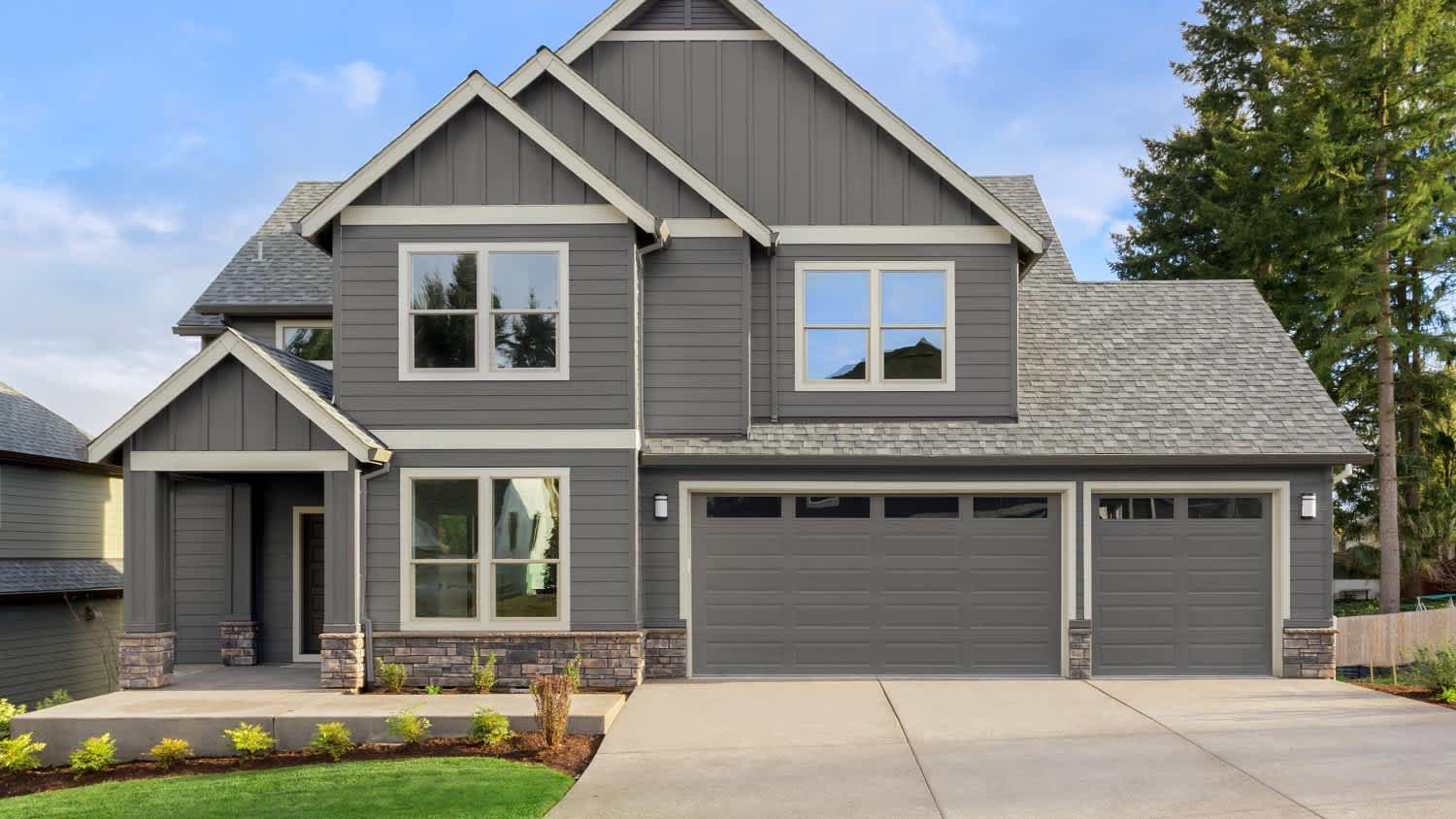
Home window tinting can protect your home and add privacy. Learn how much it costs to tint your windows based on factors like size, style, and type.
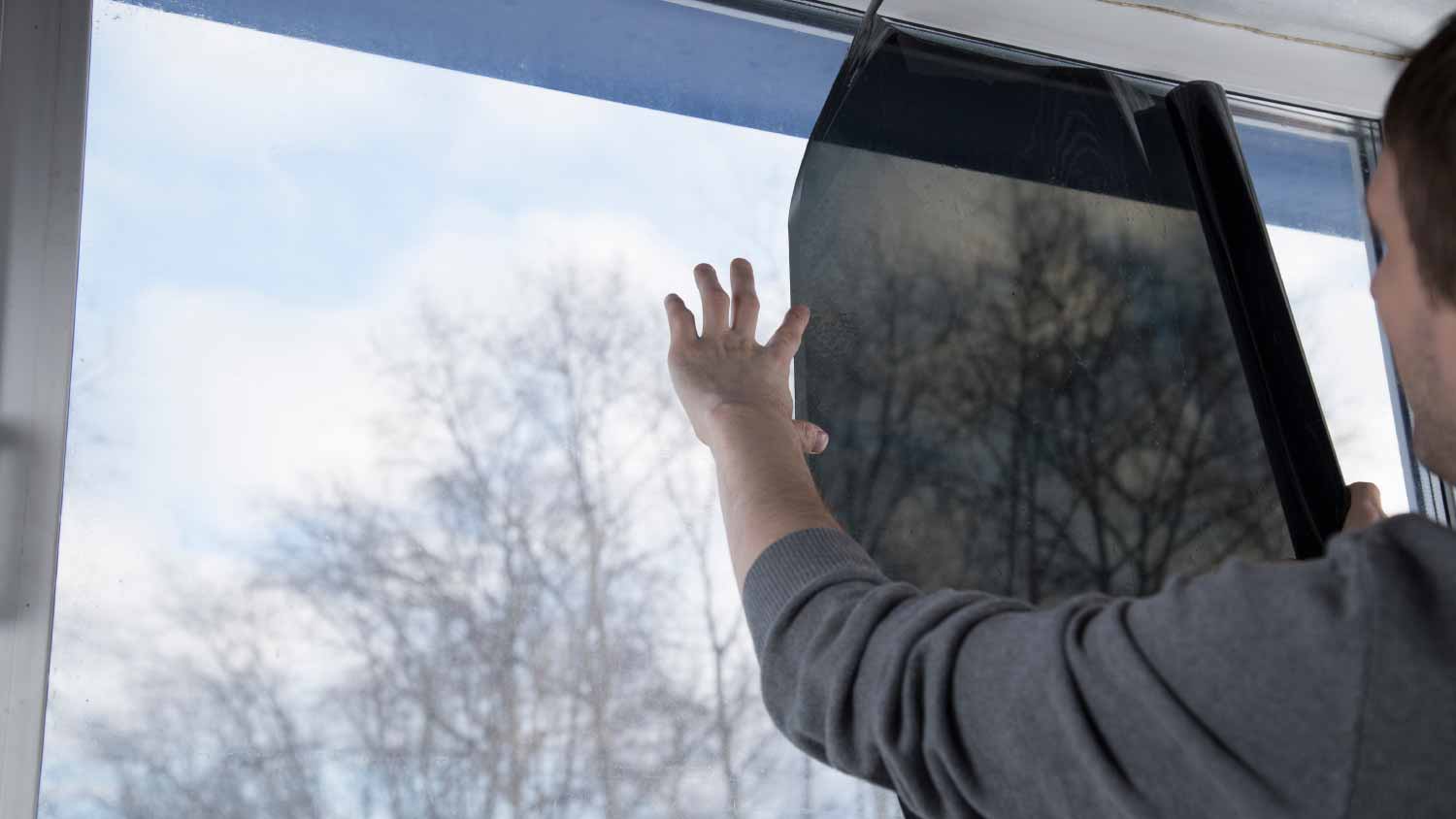
Discover window security film installation costs. Learn about average prices, cost factors, and ways to save on your home security upgrade.
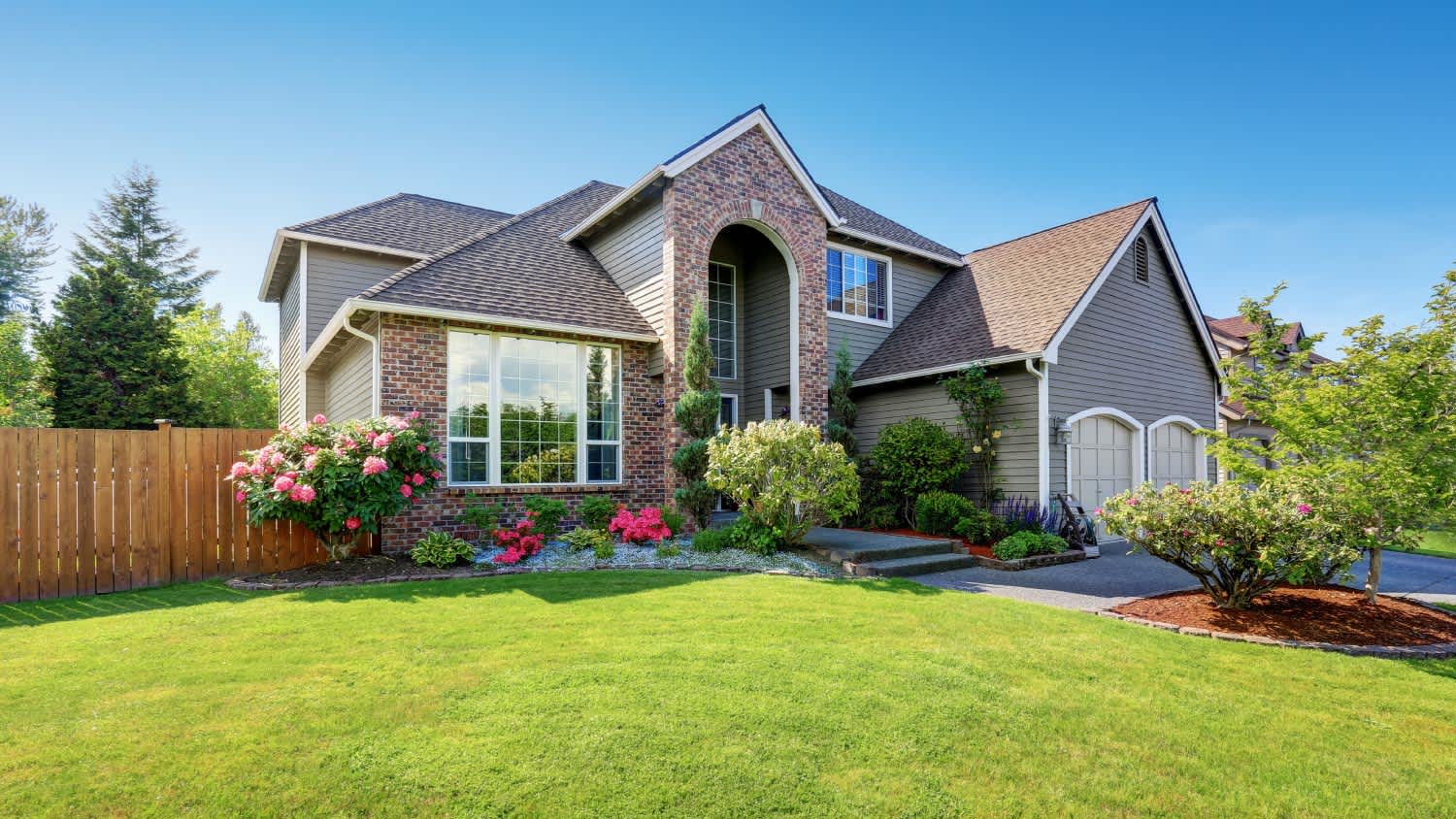
Can I tint my house windows? Home window tinting is a small upgrade that can yield major benefits. Here’s everything you need to know before taking the plunge.
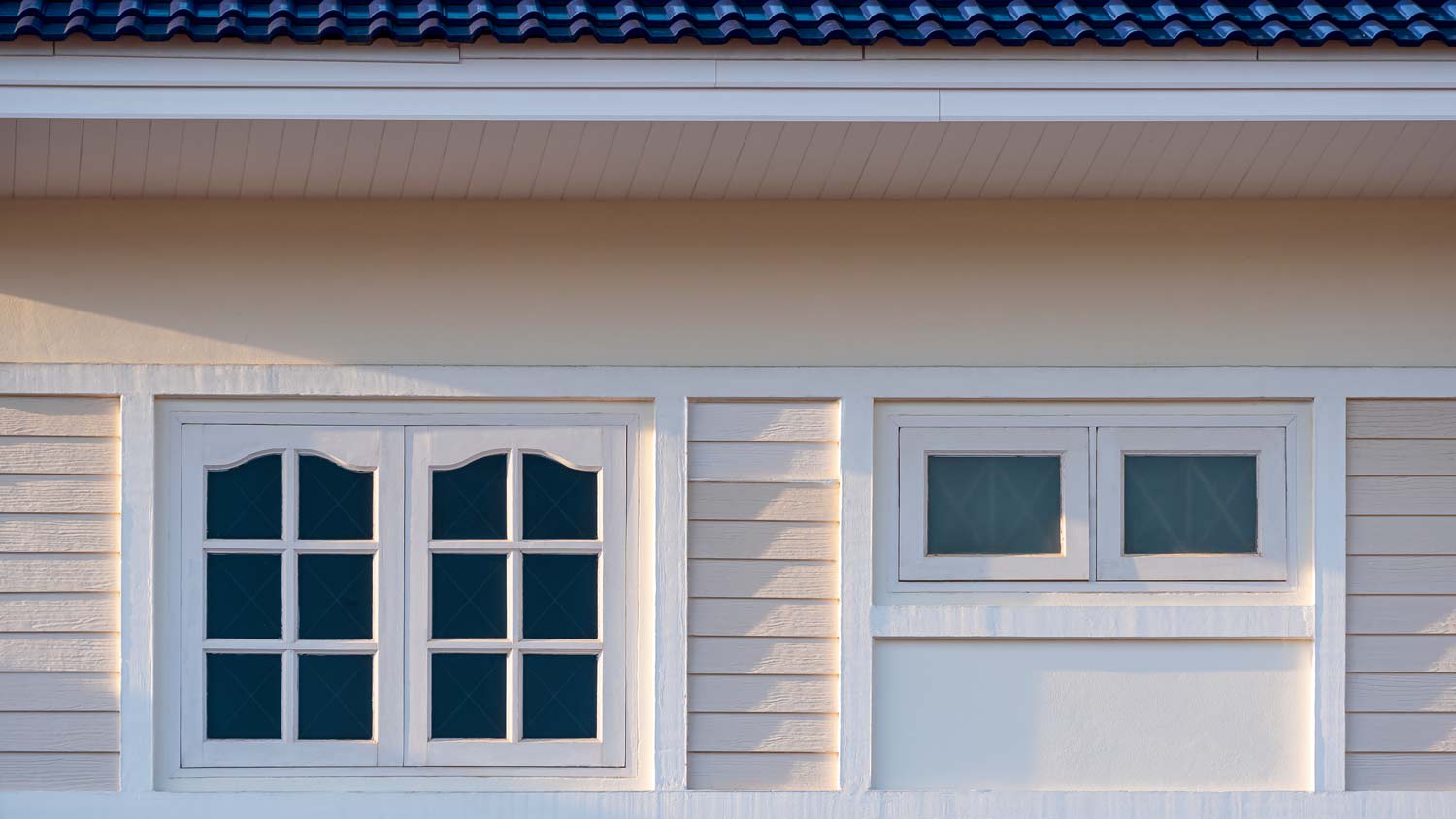
Tinting your home’s windows can add privacy, increase energy efficiency, and block damaging UV rays. Find out who tints home windows so you can hire the best.
Thinking about adding window tinting to your home? Learn about film options, installation costs, and how to hire the right local pro for your project.