

What’s the best temperature for sleeping? Discover ways to improve your sleep hygiene and quality for more restful evenings and more alert days.
Sometimes you need to hit snooze on the sunlight

Blackout curtains and shades block light effectively while helping soundproof your home and insulate rooms, making them the best method for blacking out windows.
Tinted window film reduces UV rays and artificial light while keeping your window area looking clear, and it also helps protect against extreme temperatures.
You can use temporary DIY solutions like aluminum foil, cardboard, or black fabric secured with painter's tape to darken your windows inexpensively and quickly.
Hiring a local window tinting professional provides expert film application without bubbles, ensuring your tinted windows block light effectively and last for years.
Are your sweet dreams being sabotaged by unwanted sun streams? The light outside your window can cause your circadian rhythm to lose its groove. When regular shades and curtains aren't cutting it, you can block sunshine and light from cars, streetlights, and neighbors with a few simple tricks. Read on to find out how to black out your windows for a good night's—or day's—sleep.
Blacking out your windows can offer you more benefits than meets the eye. If you’re ready to take the plunge on this project, you can reap some great benefits.
Darker windows may help you get more sleep, especially if you like to sleep in on the weekends or work night shifts and need to sleep during the day.
You’ll have more privacy, especially at night when it’s easier to see in people’s windows.
Some window blackout options can keep your home cooler in the summer, decreasing the amount you need to run your HVAC system (and cutting down on your electric bill).
Blacking out your windows can increase your ROI if you sell your home.
Ready to get better sleep and put a stop to that blinding morning light? Here are seven things you can do to get started.

Blackout curtains can be ideal if you're looking for a temporary solution for blocking out light. There are two ways to approach blackout curtains: You can buy full blackout blinds made from a polyester-cotton combination or add blackout liners to your current curtains. Blackout curtains and liners can also help soundproof your house by reducing outside noise. Another bonus—they help insulate rooms, which saves money and controls temperature.

If you don't want to hang heavy curtains, blackout shades and blinds are a good alternative. So, what's the scoop on blackout curtains versus blinds? Some people aren't fans of heavy blackout curtains because they can make a room look smaller, collect dust, and get pulled down by pets. Blackout window blinds offer a neater look for blocking out light. The tight weave used for this design blocks both artificial light and UV rays nicely.

Another effective way to block out light without hanging curtains is to install tinted window film. Treating your windows by tinting them allows you to keep the area around your window looking clear and fresh. Window film has a thin profile that seamlessly clings to window panes. The tinted window offers privacy and protects against:
UV rays
Artificial light
Extreme temperatures
While you can buy tinted window film yourself, you may want to hire a local window tinter to apply it if you’re not confident that you can get all the bubbles out.
Have an old cardboard box hanging around the house? That's all you need for this DIY blackout window project. Using sheets of corrugated board or cardboard to cover your windows can greatly reduce light pollution. Simply cut sheets to fit your panes. Next, use some thick painter's tape to fix the cardboard to your windows.
This is probably the least expensive and easiest way to black out your windows. Simply cut foil squares to the sizes of your window panes before securing them in place with painter's tape. Be gentle as you work with the foil; it’s easy to accidentally poke tiny holes in it without even noticing until the light comes shining through.
If you're a crafter, you may have some extra black fabric hanging around your house. Simply cut fabric squares to the size of your windows before applying painter's tape. You can even add black fabric over aluminum foil for some extra coverage.

If light seeping into your room is a major problem, consider an attractive architectural solution. Building an awning to keep light out of your room is a long-term solution to darken a room, especially if you aren’t keen on hiding your window. An awning can also protect your window from rain damage.
Awnings can be especially helpful for reducing sunlight in your bedroom in the morning if your room faces the direction of the rising sun. There are many ways to add an awning. In some cases, a simple canvas awning that's installed over your window may be enough. You can also consider having a contractor design a custom awning with a "little roof" that matches the style of your home.
Depending on the method you choose, there are several ways to make sure your blacked-out windows stay shipshape.
If you apply window film, taking care of your windows is easy. You can use a commercial window cleaner or a mixture of dish soap and water to clean them roughly once per month. Keep an eye out for any bubbling or creasing to catch any issues before they become big problems.
Don’t clean your tinted windows before 30 days have passed from the time you applied the film. Otherwise, you risk messing up the film and having to reapply it.
If you have blackout curtains, check the tags for washing recommendations. It’s a safe bet to take them to a dry cleaner to get them professionally cleaned, but you can often find home washing instructions on your tag. If you don’t see any instructions, it’s safer to just spot-clean them or reach out to a pro for advice (just talking to a professional is free, after all).
Vacuum or dust your curtains and take them down to shake them out regularly, about once per month. Spot-clean or wash your curtains once per year.
You’ll want to deep-clean shades and blinds every one to two months, depending on how quickly dust builds up in your home. Use a brush attachment on your vacuum to clear them of dust and debris. For shades and blinds that aren’t wooden, you should also clean them with a mixture of warm water and dish soap after vacuuming.
For deep cleanings on an awning, which are recommended every two years, awnings need to be brushed off with a broom to start. Then, use a garden hose to wet them before scrubbing them with a cleaning solution of mild soap and water. Let the soap mixture soak in for a few minutes, then rinse the awning thoroughly.
For non-deep cleanings, you can simply brush off dirt and debris and hose the awning down once per month.
Kassidy Barber contributed to this piece.
We have used Window Warriors many times with no issues. They arrived on time and were very professional . We have pets and Window Warrior team treated them very well, well trusted team.
 Window Warrior of Columbus, Inc.
I am highly satisfied with the window replacement service I received; the professionals from Savvy Exteriors were punctual and did an amazing job that exceeded my expectations.
 Savvy Exteriors
I hired windows depot USA of central to install new windows in house in Oshawa. Ilya was very professional from the start, not only did he offered a great price, he also made sure the installation was on time. I am very satisfied with final outcome. The windows look great and the overall...
 Window Depot USA of Central Ohio
The team is awesome!! I can generally pick up and clean throughout the week, but they CLEAN! Windows, stair rails, microwave. All the things I can’t ever seem to get to regularly. The house looks and smells great after they leave.
We had a gutter blockage that was causing water to sheet down the side of the house and ultimately it started to come in at a window (need mortar people next). Called around 7:30am, and he responded by 8am. He was able to come out the same morning and do a look over and clean out. He also...
From average costs to expert advice, get all the answers you need to get your job done.
What’s the best temperature for sleeping? Discover ways to improve your sleep hygiene and quality for more restful evenings and more alert days.

Blackout curtains are capable of so much more than just blocking out light, but these room-darkening window treatments come with a couple cons, too.
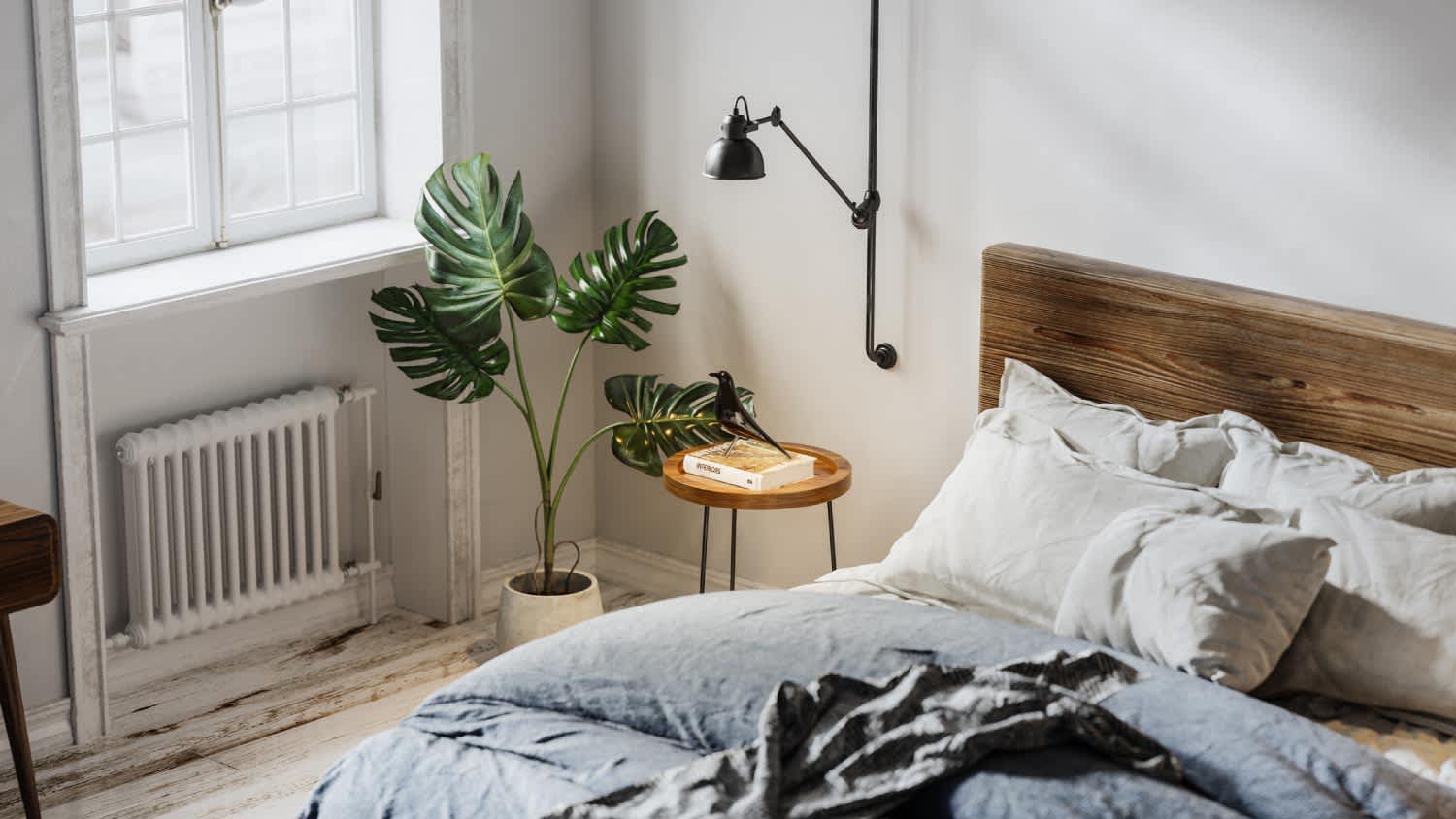
What are the best plants for your bedroom? From peace lilies to aloe vera, find out our top picks for bedroom plants. Plus, learn all about their health benefits.

To get a better night’s sleep and improve your health, minimize allergens and irritants in your bedroom by replacing VOC-releasing items with organic ones.

Our guide to the best vinyl windows explores the types of windows for which vinyl makes sense, plus how to choose the best vinyl window brand.

The best caulk for windows will be different depending on many factors, but we’ve gathered some of the top options for every possible need right here.