







Get matched with top excavation pros in Canton, TX

Canton homeowners rate excavation pros in our network

5.0

(15 reviews)

Top-rated excavation pros.

Need a pro for your excavation project in Canton, TX?

Select your specific project to find the pro for you.

Find Excavation pros in Canton

Avatar for Truetts Excavation, LLC
Truetts Excavation, LLC
4.9(
9
)

Serving Canton, TX and surrounding areas

Approved

In business since 2017

Free estimates

Credit card accepted

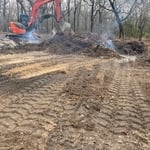
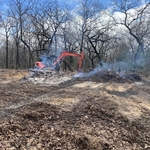
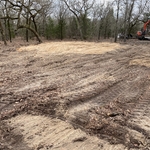
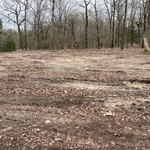
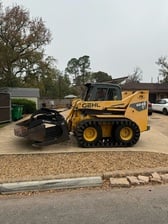
"Mr. Bobby Truett did a superb job of clearing brush, removing tree stumps, and trimming tree limbs that posed a serious danger of damaging fencing on my property. He was extremely attentive to my needs as a custimer, communicated with me very well, and paid great attention to detail. He even worked on weekends to ensure my schedule was met! I would highly recommend Bobby for any job that requires a skid steer!"
1 neighbors recently requested a quote
Recommended by22%of homeowners
Avatar for Ultimate Precision Roofing and Construction
Ultimate Precision Roofing and Construction
4.6(
10
)

Serving Canton, TX and surrounding areas

Approved

In business since 2010

Free estimates

Credit card accepted

Ultimate Precision Roofing and Construction has become a staple of professionalism and quality work, in Mabank, TX. With several years of experience, there is no job too small, or too complex for our crew. Call us today to schedule an appointment.

Recommended by100%of homeowners
Avatar for Bankard Services
Bankard Services
5.0(
6
)

Serving Canton, TX and surrounding areas

Approved

Free estimates

Emergency services offered

Small jobs welcome

Maintenance professional with 20+ years of experience in mechanical systems, troubleshooting, and repair. I specialize in home repairs, fixture installs, drywall patching, and custom solutions—including welding and light fabrication. I take pride in clean, reliable work and showing up on time.\n\nI’m especially good at solving problems other contractors can’t or won’t take on. Whether it’s a small repair or a list of projects, I focus on getting it done right the first time. No sewer or major plumbing work.

Metal Fabrication
Metal Fabrication
Metal Fabrication
Metal Fabrication
Metal Fabrication

+10

23 neighbors recently requested a quote
...
Showing 1-10 of 153
Excavating questions, answered by experts

The best way to protect tree roots is to avoid the roots entirely by excavating outside the root radius of the tree. For nearby projects, it’s a good idea to construct a temporary retaining wall. But that’s not always possible, depending on the project and the root system. In these cases, consider using alternative equipment like an auger to tunnel under the ground.

Remember, tree roots can damage nearby cement foundations as they grow. If a tree is close enough to interfere with large excavations, it may be better to remove the tree than risk future problems.

Trenchers can dig holes as narrow as 4 inches or as wide as 4 feet. Check the specifications of the trencher you rent or buy to determine how wide it will cut into the landscape. Better yet, let the excavation company know how wide you’d like the trench to be, and they can help you choose the right trencher for the job (or do it for you).

The best method for digging a trench depends on the scope of the project. For a short, shallow trench (less than 2 feet deep) in light, soft soil, digging by hand may be sufficient. However, digging by hand is labor-intensive, so consider the effort required. A machine trencher is the better option for longer trenches (over 100 feet), deeper ones, or when dealing with difficult soil conditions, such as rocky or hard ground, or obstructions like tree roots. A machine can save significant time and energy in these situations.

The digging depth will depend on the size of the trencher you use. Even smaller units can dig up to 4 feet deep, which is plenty for a DIY job. However, much larger trenchers can reach a depth of 18 feet and are better used by a team of pro contractors, not a single DIYer. As with all home improvement projects, use the right tool for the job and proceed with caution.

Septic drain lines (or leach lines) are typically buried between 18 and 36 inches underground, and should be at least 6 inches below the surface. These pipes are perforated and surrounded by filtering materials like sand or gravel. Burying the lines at this depth helps minimize odors and allows bacteria and other biological processes in the soil to effectively treat the wastewater. Burying lines too close to the surface can cause issues unless the soil is very compact and stable.

The Canton, TX homeowners’ guide to excavation services

From average costs to expert advice, get all the answers you need to get your job done.