


Top-rated excavation pros.

Best excavation pros near Wills Point, TX

Enter your zip and get matched with up to 5 pros

Need a pro for your excavation project in Wills Point, TX?

Select your specific project to find the pro for you.

TRUSTED BY WILLS POINT, TX HOMEOWNERS

  • Average homeowner rating star icon4.9
    Average homeowner rating
  • Verified reviews icon18
    Verified excavation services reviews

Top-Rated Excavation pros in Wills Point - Updated Nov 2026

Avatar for Demo Dog Landworx
Demo Dog Landworx
5.0(
10
)
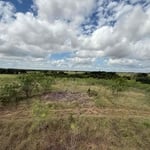
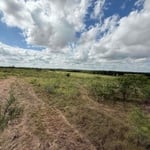
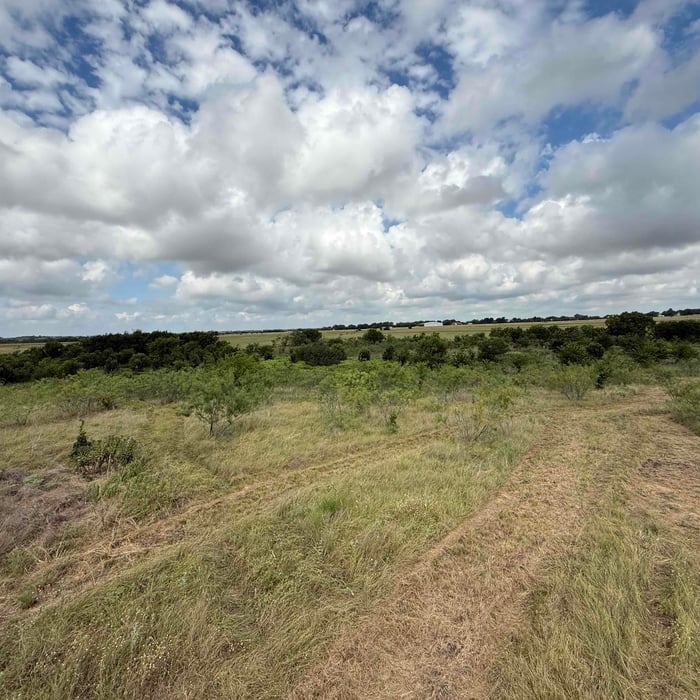
Building Site - Preparation and Clearing

Serving Wills Point, TX and surrounding areas

Approved

In business since 2023

Free estimates

Credit card accepted

"This is hands-down the best company Iâ  ve ever seen theyâ  re quick to respond. They do what they say theyâ  re going to do for the best price."
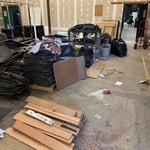
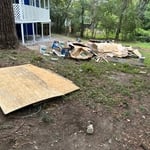
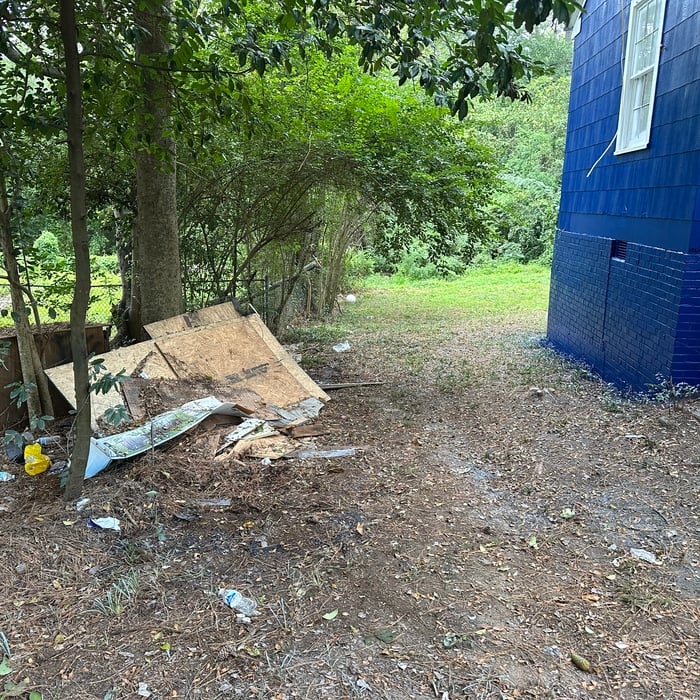
Junk Removal
Junk Removal
Junk Removal
Junk Removal
Junk Removal

+16

Response time10 hrs
52 neighbors recently requested a quote
Recommended by77%of homeowners
Avatar for NBR Services, LLC
NBR Services, LLC
5.0(
13
)
Excavation - Major Grading or ReslopingExcavation - Major Grading or Resloping - For Business

Serving Wills Point, TX and surrounding areas

Approved

In business since 2005

Free estimates

Credit card accepted

"I had a difficult time finding someone to take care of a large erosion problem and he was so quick to respond, look at the project, and was able to start quickly. We were so blessed to have NBR get in contact with us!"
Response time1 day
8 neighbors recently requested a quote
Recommended by75%of homeowners
...
Showing 1-10 of 168
Excavating FAQs, answered by experts

The best type of soil to build on is a mixture of sand and clay, known as loam soil. Loam soil has the best combination of these soil types to build a foundation on. The clay particles help with water retention, so it won’t erode like sandy soil might, and the sandy particles help with drainage, so you won’t see unsafe soil expansion or have an increased risk of leaks from water sitting against your foundation.

Slab foundations are more affordable than crawl spaces because they require minimal excavation, as the slab sits directly on the ground or on footers that only sink a few feet into the ground. Crawl spaces require excavation of the entire footprint of the home to several feet below the surface. Not only does that mean higher labor costs, but more materials are necessary for the concrete foundation walls.

Tree experts don’t advise against digging through tree roots, but instead encourage caution and consultation with a local arborist to make sure you don’t damage the tree’s structure or interrupt its water or nutrient intake. An arborist can recommend specific practices when digging and help prune the roots or dig a trench for utilities with a tool that can remove soil without touching the tree’s roots.

Sewer lines can be buried anywhere from 18 inches to 8 feet deep, with a common average depth between 18 and 30 inches. The exact depth depends on local factors like climate and soil type. In colder regions, pipes must be buried deeper (below the frost line) to prevent freezing, sometimes as deep as 8 feet. The digging depth can also impact the cost of sewer line replacement. To find the specific depth for your property, you can check the building plans for your system, which should be on file with your city or local sanitation department since permits are required for installation.

You should dig 3 to 6 inches deep for plastic edging. Dig as wide as you need to fit your plastic edging into it—2 inches is usually sufficient.

The Wills Point, TX homeowners’ guide to excavation services

From average costs to expert advice, get all the answers you need to get your job done.