






Top-rated drywall pros.

Get matched with top drywall pros in Ridgeside, TN

Enter your zip and get matched with up to 5 pros

Need a pro for your drywall service project in Ridgeside, TN?

Select your specific project to find the pro for you.

TRUSTED BY RIDGESIDE, TN HOMEOWNERS

  • Average homeowner rating star icon4.5
    Average homeowner rating
  • Verified reviews icon37
    Verified drywall services reviews

Find Drywall pros in Ridgeside

Avatar for Scuba Steve Premier Handyman and Remodeling Services
Scuba Steve Premier Handyman and Remodeling Services
4.4(
206
)
Drywall - InstallDrywall - RepairDrywall - Repair - For Business

Serving Ridgeside, TN and surrounding areas

Approved

Super Service Award Winner

In business since 2011

Free estimates

Emergency services offered

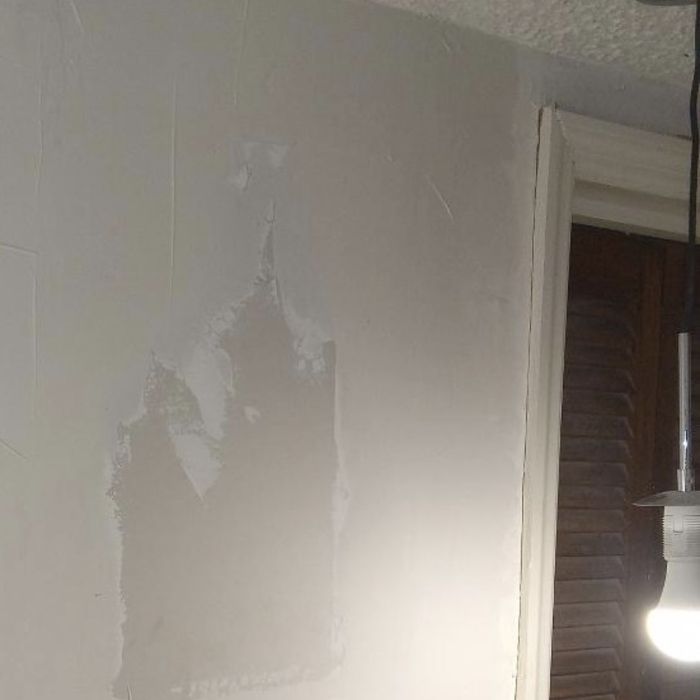
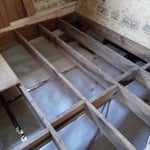
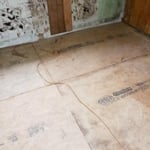
"Steve handled everything very professionally. He was easy to work with and very competent. During estimation he told us what he expected to have to do and how much he expected it to cost. He was upfront about his time table to be able to start. Once he started, the project flowed smoothly. He replaced the broken French drain that caused the moisture intrusion. Afterwards, he removed the moldy carpeting, tack strips, drywall, and studs. During the project, we asked him to upgrade the room from fluorescent to LED with a dimmer. He was upfront about the added cost. He cleaned the mold off the concrete, filled the cracks in the concrete and sealed it up. Then he replaced the studs and drywall and painted the whole room. He supervised the carpet installation at our request. What was once a molded bonus room is now a fully functional, comfortable, and beautiful homeschool room for our children. Thank you, Steve!!!"
Additional Photos
Additional Photos
Additional Photos
Additional Photos
Additional Photos

+112

Response time10 hrs
8 neighbors recently requested a quote
Recommended by89%of homeowners
Avatar for Cameleon Construction & Remodeling
Cameleon Construction & Remodeling
5.0(
9
)
Drywall - Repair

Serving Ridgeside, TN and surrounding areas

Approved

In business since 2020

Free estimates

Emergency services offered

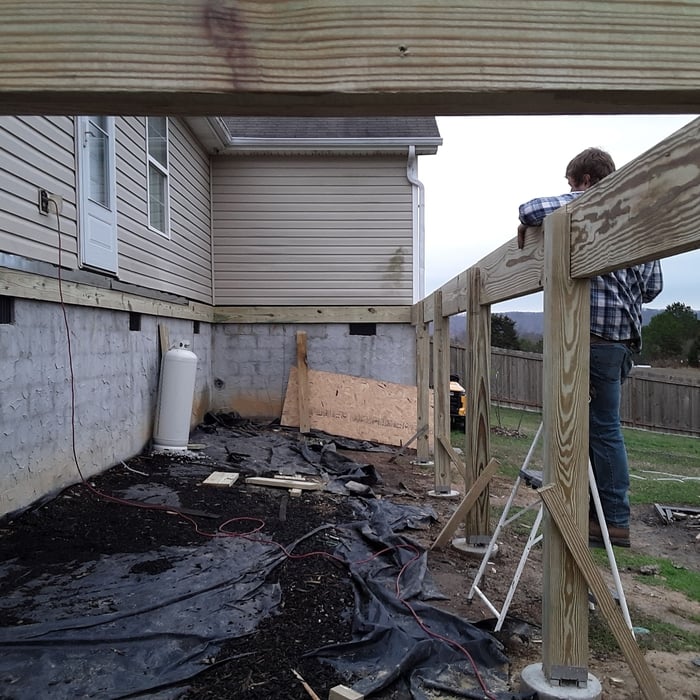
"They built a pergola over a concrete patio. Added electrical and stain. Cesar also Repaired a leak in an outdoor water outlet. We are very happy they were to start right away on the project. Also with the quality and time it took to complete the project."
Bathroom Remodeling
Bathroom Remodeling
Bathroom Remodeling
Bathroom Remodeling
Bathroom Remodeling

+45

15 neighbors recently requested a quote
...
Showing 1-10 of 274
Drywall questions, answered by experts

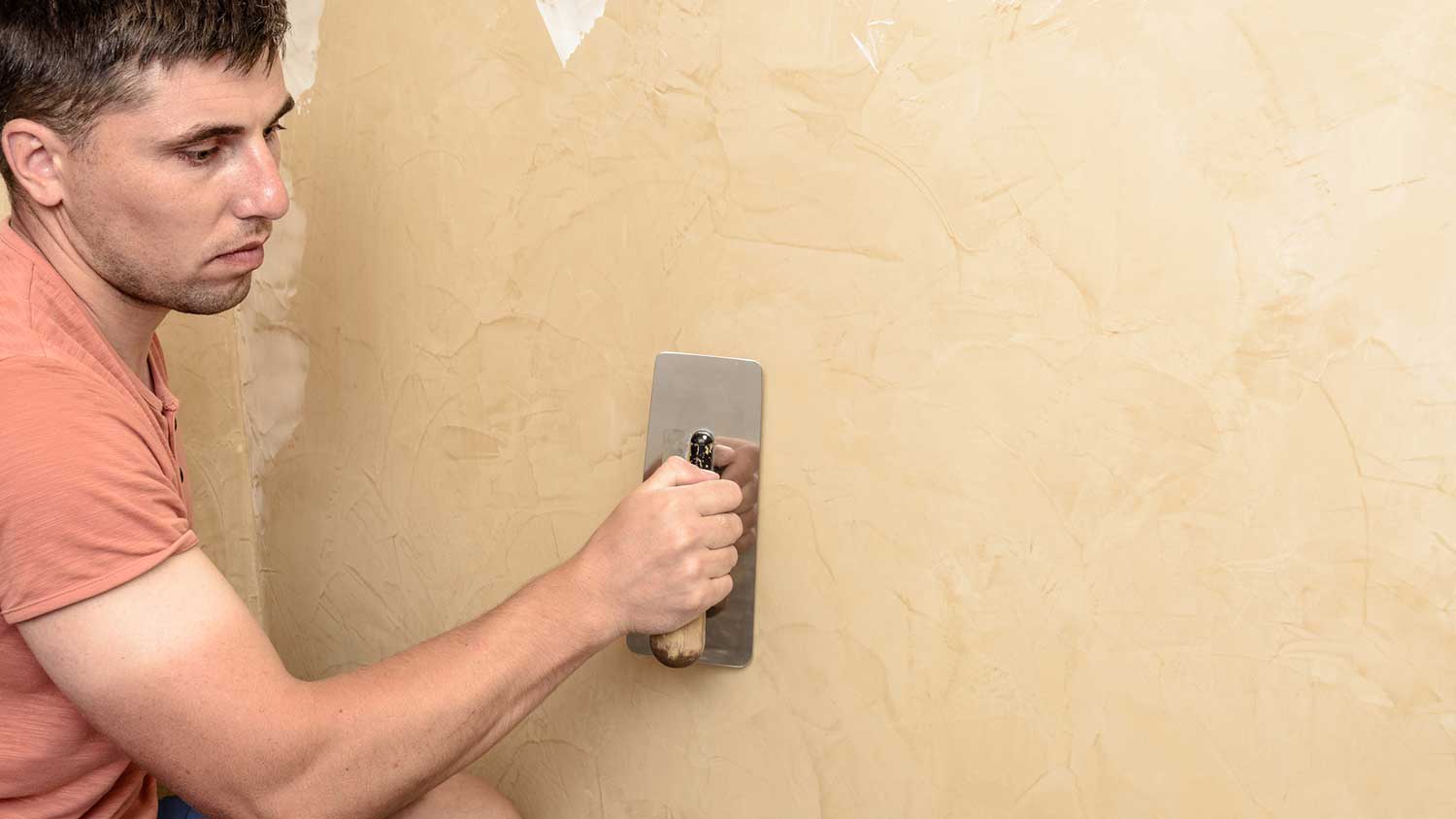
If you’re installing new drywall, you may need to skim coat the drywall first for a smooth finish and to allow the primer to adhere to the wall. It’s only necessary if there are imperfections in your drywall due to issues with the studs or improper drywall installation. If you’re refreshing existing walls, you may want to skim coat if there are imperfections across the wall. As an alternative, you can repair your drywall and sand it for a smooth finish before painting.

Although they have similar applications, spackle and joint compound are not the same. Their primary differences lie in their composition, consistency, and ideal use cases.

Spackle is composed of gypsum and binding agents, making it thicker than joint compound. It dries quickly and is easy to sand, which makes it ideal for small wall repair projects like filling nail holes or patching minor damage.

Joint compound, also known as drywall mud, consists of limestone and gypsum. It is primarily used for large-scale projects, such as taping and finishing the seams on newly installed drywall. It tends to shrink more than spackle and can be more difficult to spread.

While both products can be used to fill small depressions and cracks, spackle cannot replace joint compound for taping and mudding new drywall. Conversely, you can often use joint compound for small patching jobs typically done with spackle.

Cracks, holes, water damage, and dents from heavy equipment often require repair.

Wet-sanding and dry-sanding each have pros and cons. Dry-sanding is less messy, so it’s a good option if you’re trying to minimize dust (for example, if you’re sanding an occupied home or working with particularly dry or dusty drywall mud). However, dry-sanding is quicker because you don’t have to keep rinsing a sponge or wait for it to dry before painting.

Yes, you can speed up the time it takes for plaster to dry, but it's important to do so carefully to avoid issues like cracking or crumbling. Proper ventilation is key; open a window or use a fan to circulate air in the room. Heat can also accelerate drying, but be cautious, as too much heat can cause the plaster to dry too quickly and crack. Check the plaster's packaging for the recommended drying temperature and set the room's thermostat accordingly. While managing humidity is important, avoid using a dehumidifier, which can remove moisture too aggressively and result in crumbly plaster.

The Ridgeside, TN homeowners’ guide to drywall services

From average costs to expert advice, get all the answers you need to get your job done.