Top-rated drywall pros.

Best drywall pros near Ringgold, GA

Enter your zip and get matched with up to 5 pros

Need a pro for your drywall service project in Ringgold, GA?

Select your specific project to find the pro for you.

TRUSTED BY RINGGOLD, GA HOMEOWNERS

  • Average homeowner rating star icon4.7
    Average homeowner rating
  • Verified reviews icon116
    Verified drywall services reviews

Top-Rated Drywall pros in Ringgold - Updated Nov 2026

Avatar for 24/7 Labor Services LLC.
24/7 Labor Services LLC.
4.4(
5
)
Drywall - RepairDrywall - InstallDrywall - Install - For Business+1 more

Serving Ringgold, GA and surrounding areas

Approved

In business since 2020

Free estimates

Customers say: True professional

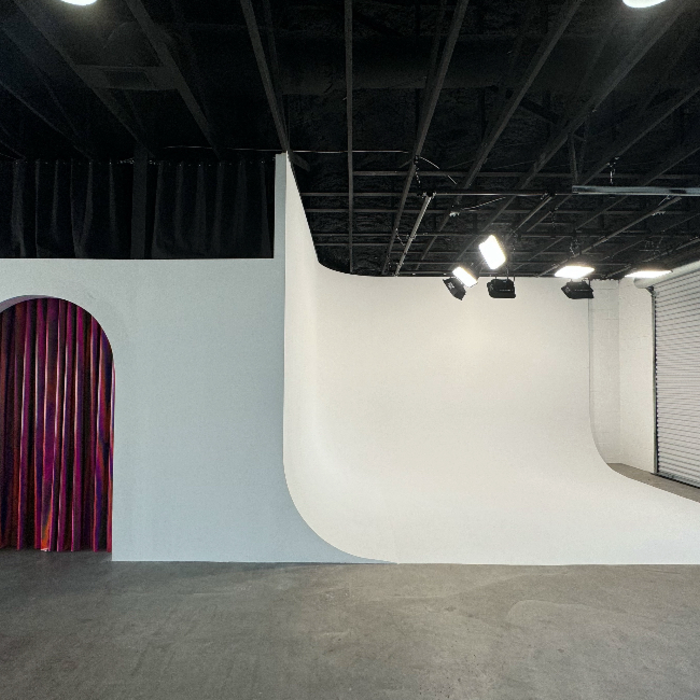
"Hector and his crew were ABSOLUTELY top notch. We built a new photo studio in Nashville and needed help with a perfect curve CYC WALL. Super technical work and out of our league... these guys absolutely nailed it and our renters love the wall, as well as US! We have hired them to do work at our house as well and have more coming up with them soon. Always on time, .estimates are always fair, and really great group of hardworking people with him always. 10/10 hire these guys for any of your needs!"
Additional Photos
Additional Photos
Additional Photos
Additional Photos
Additional Photos

+1

Response time3 days
Response rate100%
1 neighbors recently requested a quote
...
Showing 1-10 of 269
Drywall FAQs, answered by experts

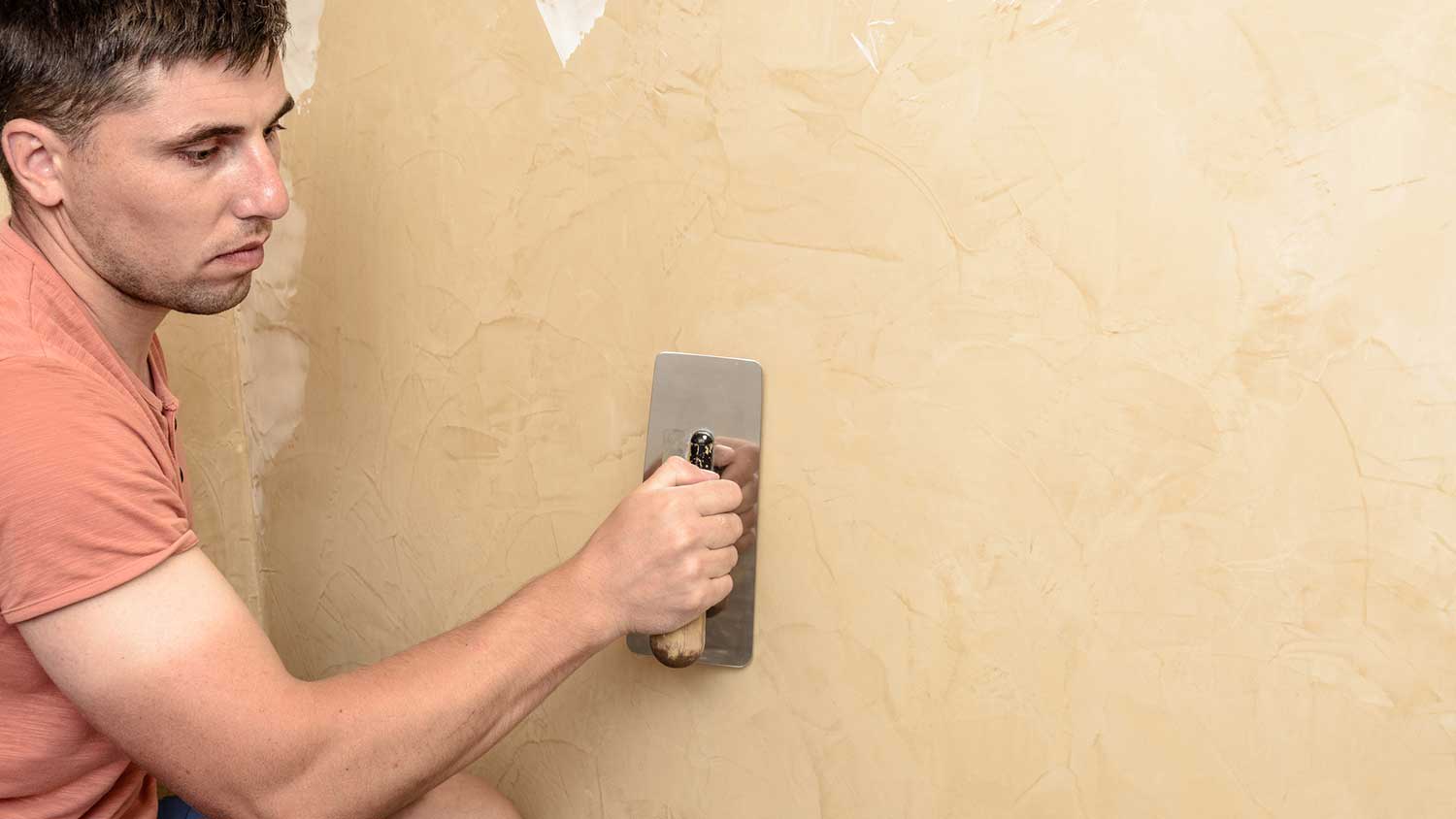
Plastering and skimming are two different techniques for finishing walls. Plastering involves applying a thick layer of a plaster mixture—typically containing gypsum, lime, cement, sand, and water—to create a new surface. This process often requires multiple coats and is used for repairing significant damage or creating decorative textures. Skimming, on the other hand, is a technique that involves applying a thin layer of drywall compound or joint compound over an existing surface to smooth it out, covering minor imperfections, small cracks, or uneven textures for a polished look. Plastering is generally more costly and labor-intensive than skimming. Although some people use the terms interchangeably, they refer to different processes and materials.

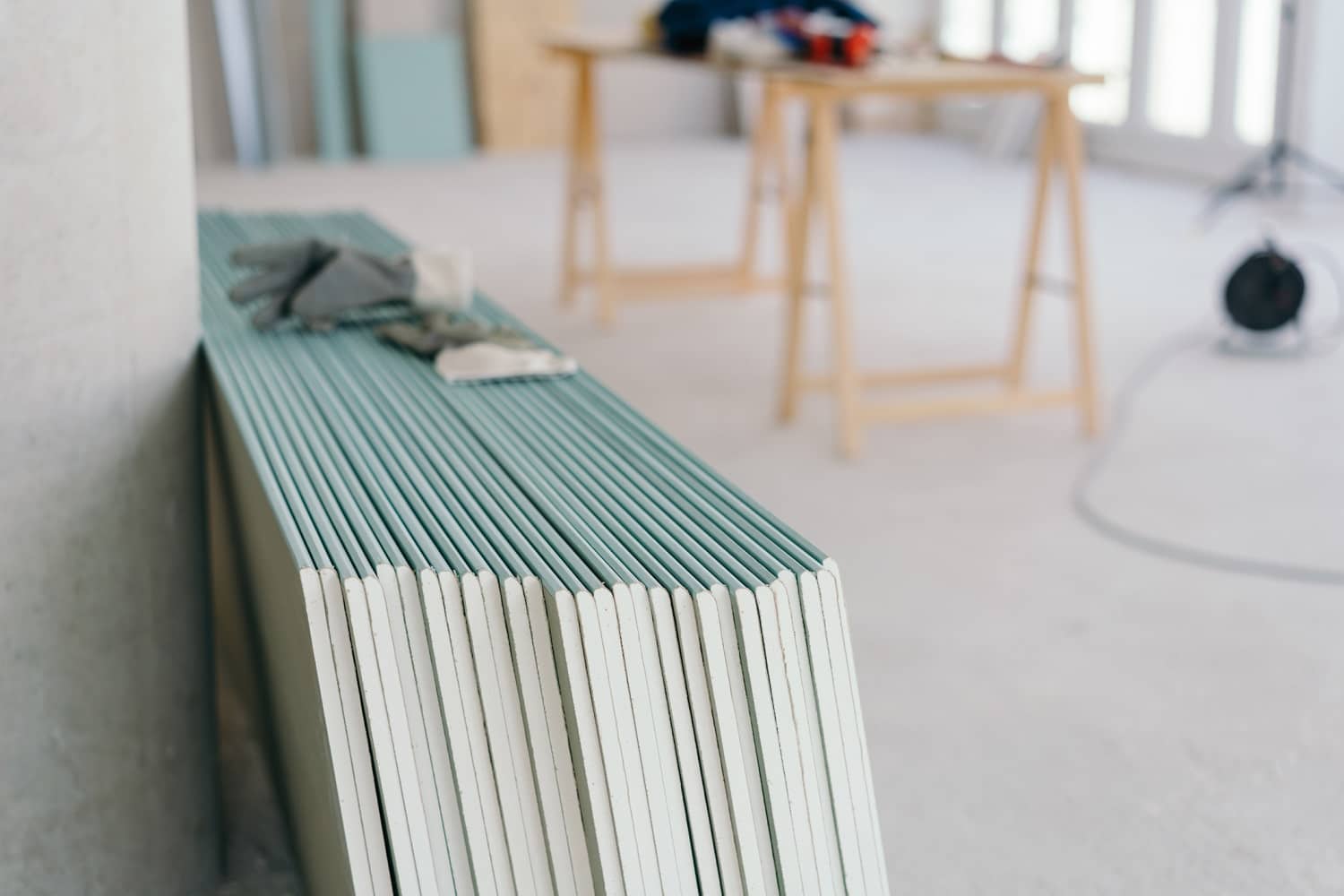
The best way to make long, straight cuts is to use a utility knife and a T-square to score the sheet, snap along the score, and then finish the cut by cutting through the paper on the opposite side with the utility knife. If you’re making small cuts, curved cuts, or cutouts for electrical boxes or light fixtures, you can use a manual jab saw to keep costs down, but an electric spiral saw or oscillating multi-tool will get the cleanest, fastest cuts possible.

Choose a drill bit that is the size of the screws of the anchors you will use. You aren’t drilling through metal or concrete—hopefully—so any standard twist, wooden or all-purpose drill bit will work fine. It’s also important to have a screwdriver capable of drilling through the drywall and into the stud. The good news is most available drills, even the older ones, can do this with no issue.

Both plaster and drywall are durable wall finishes, but they differ significantly in installation, cost, performance, and aesthetics.

Installation & Cost: Drywall installation is faster and more affordable, typically costing $1.50 to $3 per square foot. It uses premade sheets, making it a more accessible DIY project. Plastering is a labor-intensive craft that requires specialized skills, pushing costs to $2 to $10 per square foot. It involves applying a wet paste over a lath framework.

Durability & Performance: Plaster is generally more durable, longer-lasting, and provides superior soundproofing. It is also a better insulator, which can help reduce energy costs. Drywall is easier to remove for future renovations.

Aesthetics: Drywall provides a smooth, uniform surface ready for paint or texture. Plaster offers a high-end, naturally textured look that can hide imperfections and is often preferred for achieving a classic or historic aesthetic.

Which is better? The choice depends on your priorities. Drywall is ideal for those prioritizing a lower upfront cost, faster installation, and DIY potential. Plaster is the better option for a higher-end project where durability, soundproofing, and a unique, premium finish are more important than the initial cost.

Drying alone can take 1 to 4 hours to dry to the touch per plaster layer, but some types of plaster take several hours longer to dry. However, this doesn’t mean the job is done because plaster doesn’t fully harden until it cures, which can take a few days to a couple of weeks. It may take even longer if you’re building a new, pretty thick plaster wall. Allow the plaster to cure before painting it.
The Ringgold, GA homeowners’ guide to drywall services

From average costs to expert advice, get all the answers you need to get your job done.