



Top-rated drywall pros.

Get matched with top drywall pros in Chattanooga, TN

Enter your zip and get matched with up to 5 pros

Need a pro for your drywall service project in Chattanooga, TN?

Select your specific project to find the pro for you.

TRUSTED BY CHATTANOOGA, TN HOMEOWNERS

  • Average homeowner rating star icon4.3
    Average homeowner rating
  • Verified reviews icon34
    Verified drywall services reviews

Find Drywall pros in Chattanooga

Avatar for Round 2 It Construction
Round 2 It Construction
4.8(
14
)

Serving Chattanooga, TN and surrounding areas

Approved

In business since 2017

Free estimates

Emergency services offered

"I highly recommend this guy. He knew what he was doing and his price was half of the other quotes I got. I hired him to do more projects"
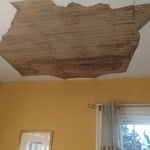
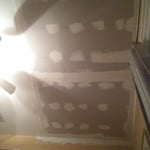
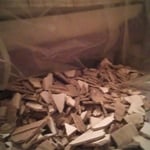
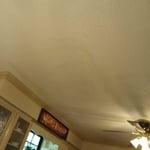
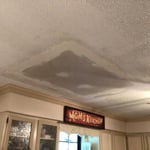
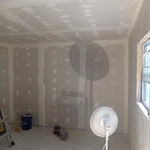
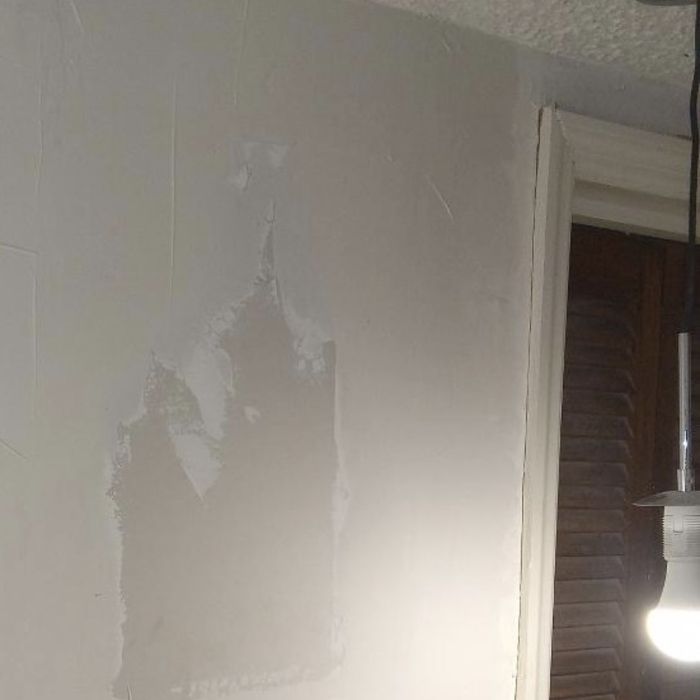
Old ceiling
New ceiling (before paint)
Pieces of loose ceiling that where removed
Response time2 days
1 neighbors recently requested a quote
Recommended by100%of homeowners
Avatar for Cameleon Construction & Remodeling
Cameleon Construction & Remodeling
5.0(
9
)

Serving Chattanooga, TN and surrounding areas

Approved

In business since 2020

Free estimates

Emergency services offered

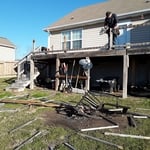
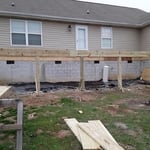
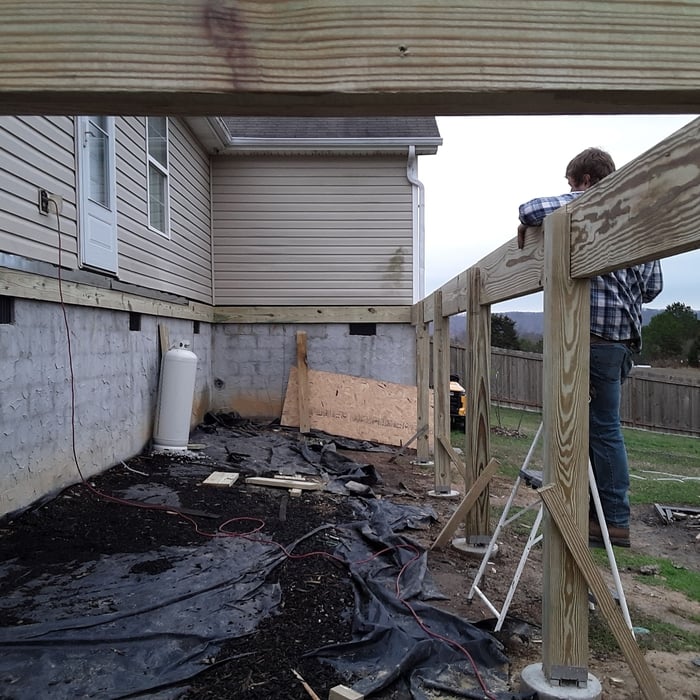
"They built a pergola over a concrete patio. Added electrical and stain. Cesar also Repaired a leak in an outdoor water outlet. We are very happy they were to start right away on the project. Also with the quality and time it took to complete the project."
Bathroom Remodeling
Bathroom Remodeling
Bathroom Remodeling
Bathroom Remodeling
Bathroom Remodeling

+45

15 neighbors recently requested a quote
...
Showing 1-10 of 301
Drywall questions, answered by experts

Yes, you can use drywall repair techniques for some types of plaster damage. Tiny holes and small cracks in plaster can be patched in similar ways to drywall. You apply the necessary compound to fill the hole, wait for it to dry, then sand it down. For larger damage, like water damage or mold, you need to use plaster-specific techniques and materials.

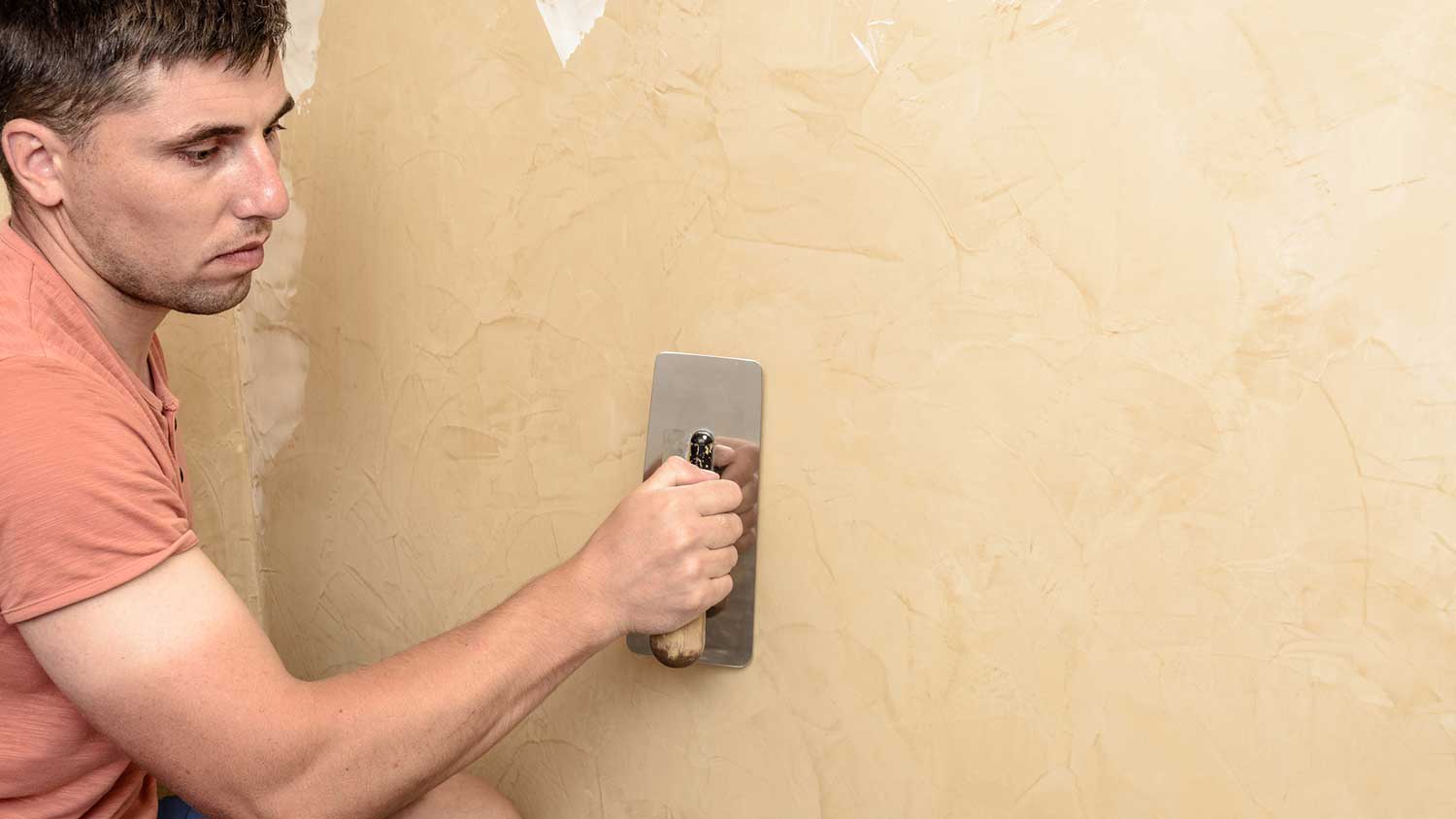
Plastering and skimming are two different techniques for finishing walls. Plastering involves applying a thick layer of a plaster mixture—typically containing gypsum, lime, cement, sand, and water—to create a new surface. This process often requires multiple coats and is used for repairing significant damage or creating decorative textures. Skimming, on the other hand, is a technique that involves applying a thin layer of drywall compound or joint compound over an existing surface to smooth it out, covering minor imperfections, small cracks, or uneven textures for a polished look. Plastering is generally more costly and labor-intensive than skimming. Although some people use the terms interchangeably, they refer to different processes and materials.

Although they are used for similar tasks, spackle and joint compound are not the same. Joint compound, also known as drywall mud, consists of limestone and gypsum and is primarily used for large-scale projects like taping and finishing seams on new drywall. Spackle is composed of gypsum and binding agents, making it a thicker compound best suited for small wall repairs like filling nail holes or cracks, as it dries quickly and is easy to sand. For small repairs, either product can be suitable. However, you can use joint compound for small jobs in place of spackle, but you cannot use spackle for large-scale taping and mudding projects.

Cracks, water damage, and holes from fixtures or impact.

Textured walls are a great way to hide imperfections left over by drywall installation, but many homeowners feel like it’s an outdated look, despite there being so many types of drywall texture. And while the textured walls of today are a far cry from the popcorn ceilings and faux stucco of our grandmother’s homes, if you want a more modern look or you want to install wallpaper, it’s time to smooth out your walls.
The Chattanooga, TN homeowners’ guide to drywall services

From average costs to expert advice, get all the answers you need to get your job done.