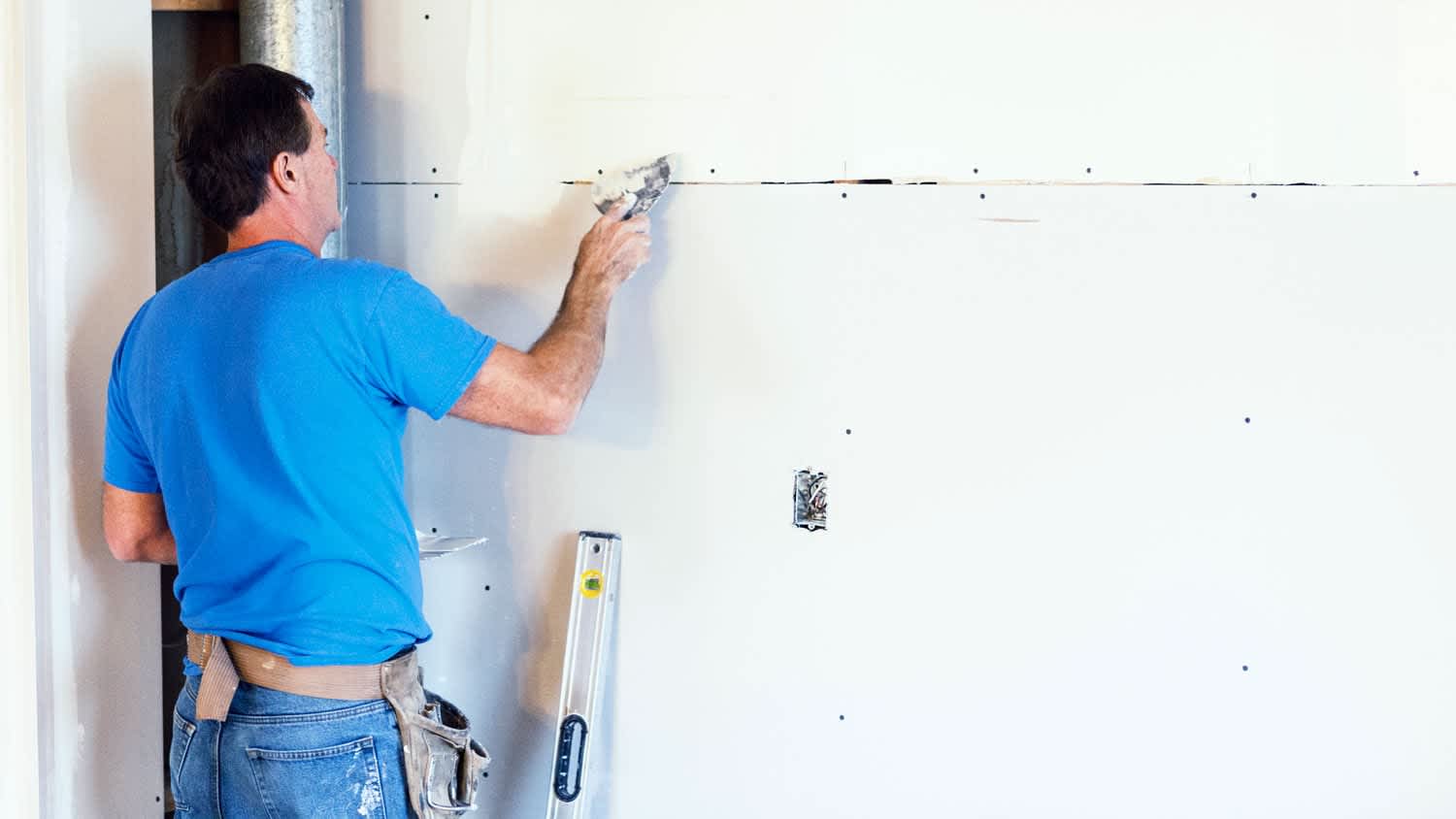
Top-rated drywall pros.

Get matched with top drywall pros in Fort Oglethorpe, GA

Enter your zip and get matched with up to 5 pros

Need a pro for your drywall service project in Fort Oglethorpe, GA?

Select your specific project to find the pro for you.

TRUSTED BY FORT OGLETHORPE, GA HOMEOWNERS

  • Average homeowner rating star icon4.6
    Average homeowner rating
  • Verified reviews icon65
    Verified drywall services reviews

Find Drywall pros in Fort Oglethorpe

Dalton Rebuilders
5.0(
10
)
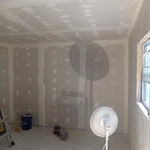
Drywall - InstallDrywall - Install - For BusinessDrywall - Repair+1 more

Serving Fort Oglethorpe, GA and surrounding areas

Approved

In business since 2021

Free estimates

Warranties offered

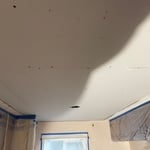
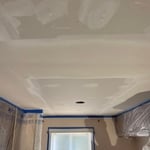
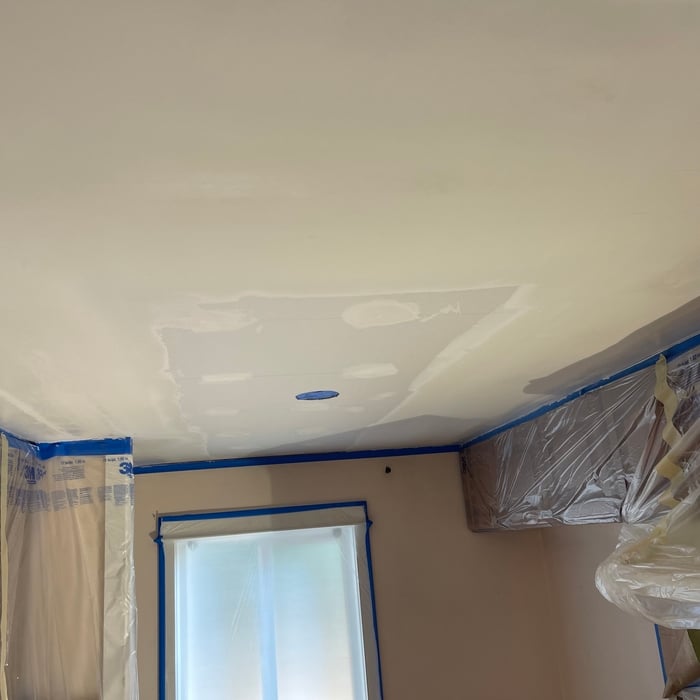
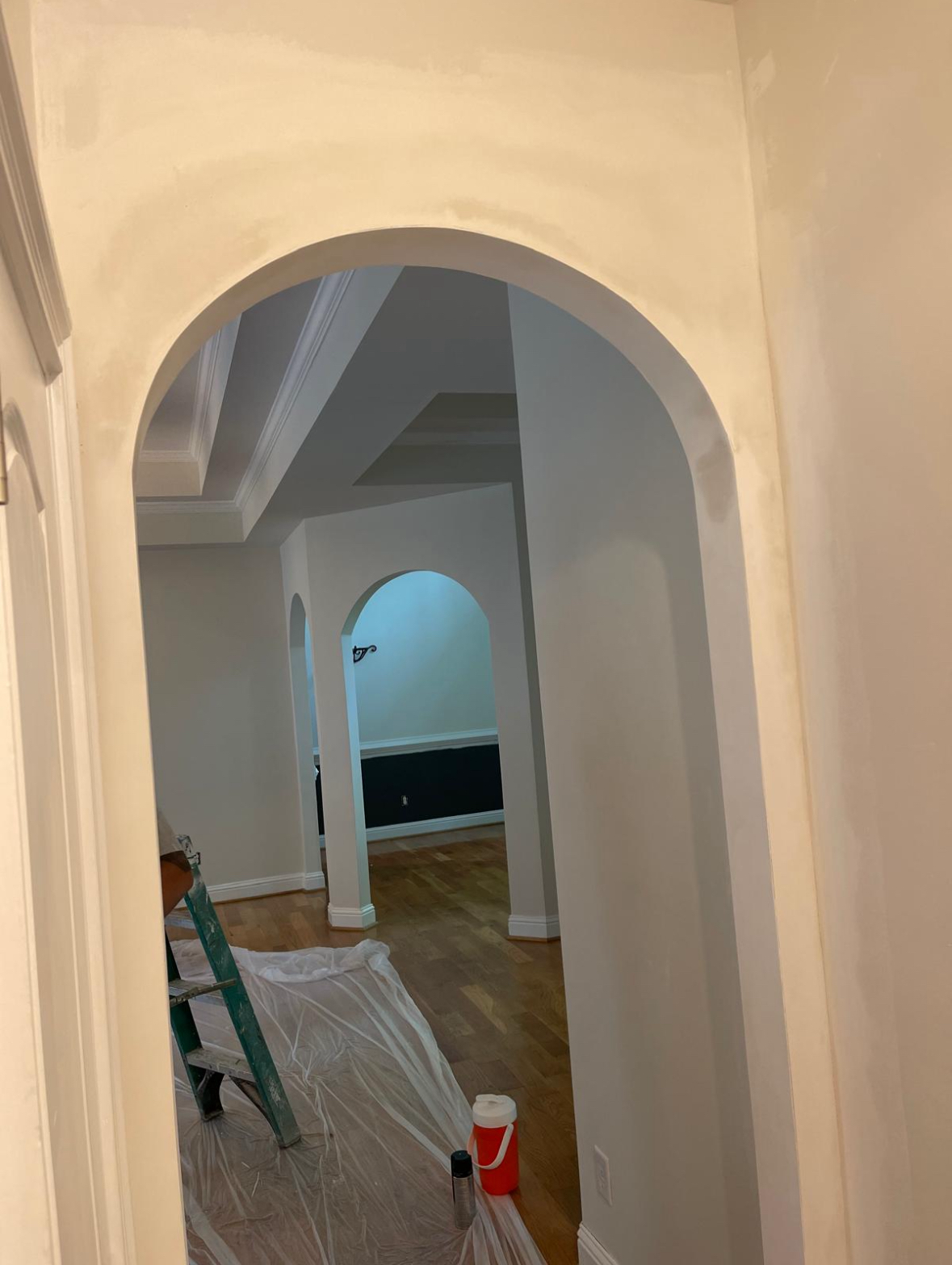
"I needed some drywall reconstruction after flooding deconstruction. Vincente did a great job on making that drywall look great! Looks better than it did before flooding. He even shared tips on other home projects I was working on. Great to work with and highly recommended."
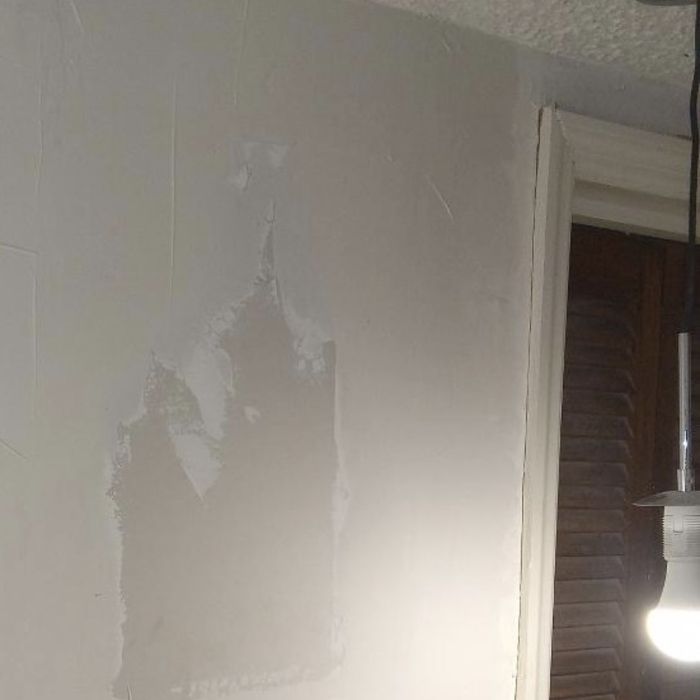
Drywall Repair
Drywall repair
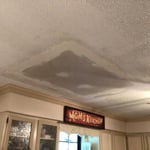
Drywall ceiling repair

+9

Response time6 hrs
2 neighbors recently requested a quote
Recommended by80%of homeowners
...
Showing 1-10 of 226
Drywall questions, answered by experts

You can paint over drywall mud about 24 hours after application, but the exact timing depends on factors like humidity, temperature, and the thickness of the mud. For the best results, ensure the mud is completely dry to the touch and has changed from a darker gray to a lighter, chalky white. Don’t forget to sand and prime the drywall surface before you paint to create a smooth, even finish.

Plastering and skimming are two different techniques for finishing walls. Plastering involves applying a thick layer of a plaster mixture—typically containing gypsum, lime, cement, sand, and water—to create a new surface. This process often requires multiple coats and is used for repairing significant damage or creating decorative textures. Skimming, on the other hand, is a technique that involves applying a thin layer of drywall compound or joint compound over an existing surface to smooth it out, covering minor imperfections, small cracks, or uneven textures for a polished look. Plastering is generally more costly and labor-intensive than skimming. Although some people use the terms interchangeably, they refer to different processes and materials.

If your home’s foundation shifts slightly over time, any seams in the drywall represent the weakest point in the wall, leading to cracks. If your home has significant changes in temperature and humidity, this can cause the drywall to swell and contract slightly, causing a crack at the weak point of the seam. If your drywall installer did a poor job securing the panels to the wall studs, this could cause a weak layout and cracks in the seams.

The short answer is yes, a sagging plaster ceiling is dangerous. Sagging plaster on a wall is something you should fix immediately, but it isn’t a major concern. If the same type of sagging occurs on a ceiling, however, you could be in danger of your ceiling falling in large chunks. When plaster sags, it loses its strength and ability to hold itself up. The bonds that hold it together are strong, though, so if a sagging area falls, it will take large pieces down with it.

While every home has its own unique needs, ceiling drywall installation typically follows a staggered or stepped pattern to enhance structural integrity and reduce the visibility of seams. Starting from one corner, sheets are placed perpendicular to the ceiling joists, with the ends of adjacent sheets meeting along the center of the joist. The next row begins with a half sheet, ensuring joints don't align vertically. This alternating pattern, combined with proper taping and mudding, creates a seamless appearance and strengthens the ceiling structure, minimizing the risk of cracks over time.
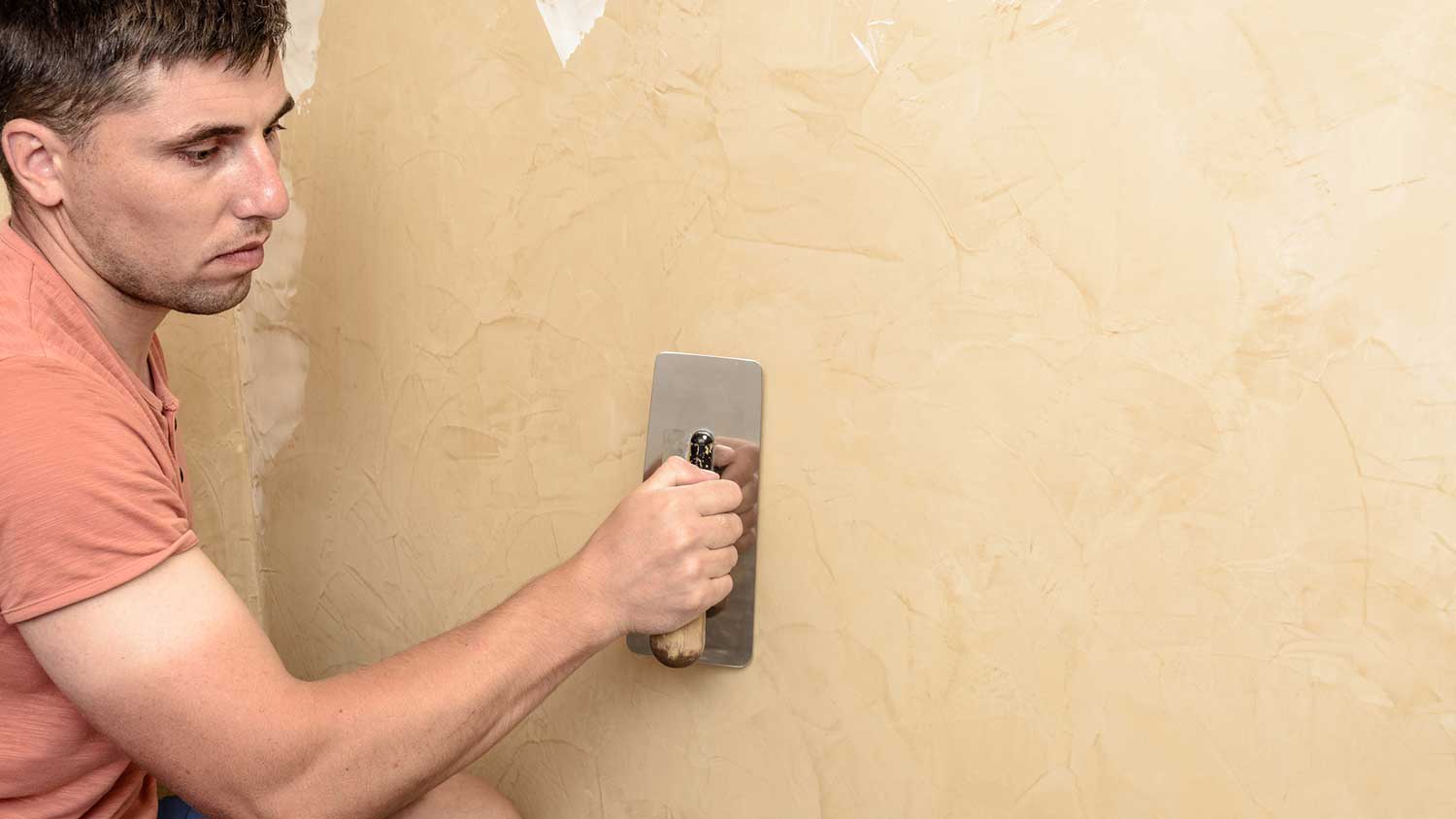
The Fort Oglethorpe, GA homeowners’ guide to drywall services

From average costs to expert advice, get all the answers you need to get your job done.