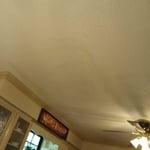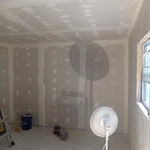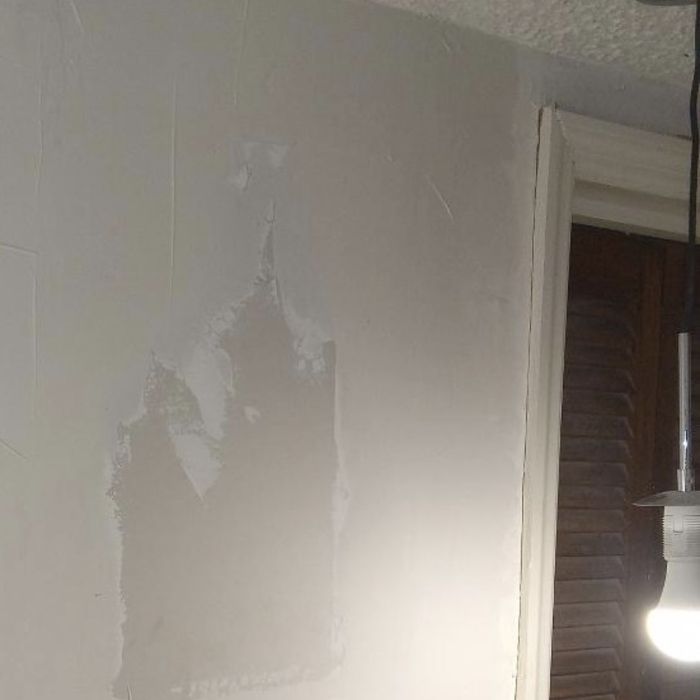



Top-rated drywall pros.

Get matched with top drywall pros in Lakeview, GA

Enter your zip and get matched with up to 5 pros

Need a pro for your drywall service project in Lakeview, GA?

Select your specific project to find the pro for you.

TRUSTED BY LAKEVIEW, GA HOMEOWNERS

  • Average homeowner rating star icon4.5
    Average homeowner rating
  • Verified reviews icon44
    Verified drywall services reviews

Find Drywall pros in Lakeview

Dalton Rebuilders
5.0(
10
)

Serving Lakeview, GA and surrounding areas

Approved

In business since 2021

Free estimates

Warranties offered

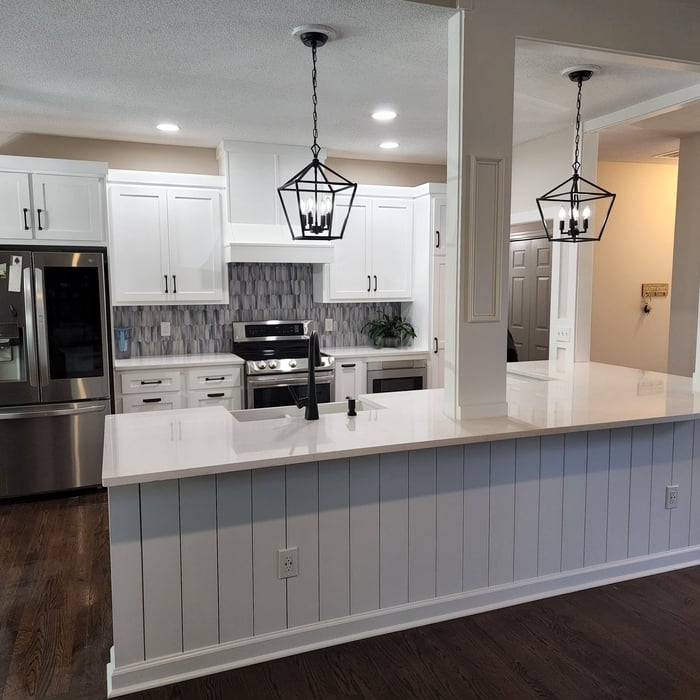
"I needed some drywall reconstruction after flooding deconstruction. Vincente did a great job on making that drywall look great! Looks better than it did before flooding. He even shared tips on other home projects I was working on. Great to work with and highly recommended."
Drywall Repair
Drywall repair
Drywall ceiling repair

+9

Response time6 hrs
2 neighbors recently requested a quote
Recommended by80%of homeowners
Avatar for 24/7 Labor Services LLC.
24/7 Labor Services LLC.
4.4(
5
)

Serving Lakeview, GA and surrounding areas

Approved

In business since 2020

Free estimates

Customers say: True professional

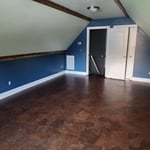
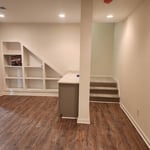
Our team has quality experience in this industry, and we make sure our customers are happy before we leave. Call or click to schedule an estimate today!

Additional Photos
Additional Photos
Additional Photos
Additional Photos
Additional Photos

+1

Response time3 days
1 neighbors recently requested a quote
Recommended by80%of homeowners
...
Showing 1-10 of 236
Drywall questions, answered by experts

Although they have similar applications, spackle and joint compound are not the same. Their primary differences lie in their composition, consistency, and ideal use cases.

Spackle is composed of gypsum and binding agents, making it thicker than joint compound. It dries quickly and is easy to sand, which makes it ideal for small wall repair projects like filling nail holes or patching minor damage.

Joint compound, also known as drywall mud, consists of limestone and gypsum. It is primarily used for large-scale projects, such as taping and finishing the seams on newly installed drywall. It tends to shrink more than spackle and can be more difficult to spread.

While both products can be used to fill small depressions and cracks, spackle cannot replace joint compound for taping and mudding new drywall. Conversely, you can often use joint compound for small patching jobs typically done with spackle.

All plaster walls will crack over time due to normal house settling and expansion and contraction from temperature and moisture changes. Small, thin hairline cracks are generally not serious and are mostly a cosmetic issue. However, larger or more significant cracks can indicate structural problems.

Here's how to tell the difference:

  • Cosmetic Cracks: Cracks that are 0.5 cm (0.2 inches) or thinner are typically cosmetic.

  • Structural Cracks: Cracks wider than 0.5 cm, excessive or deep cracks, multiple cracks in the same area, or cracks that span around corners can signify a structural or foundation issue. Cracks along the joints where walls meet the ceiling also warrant attention.
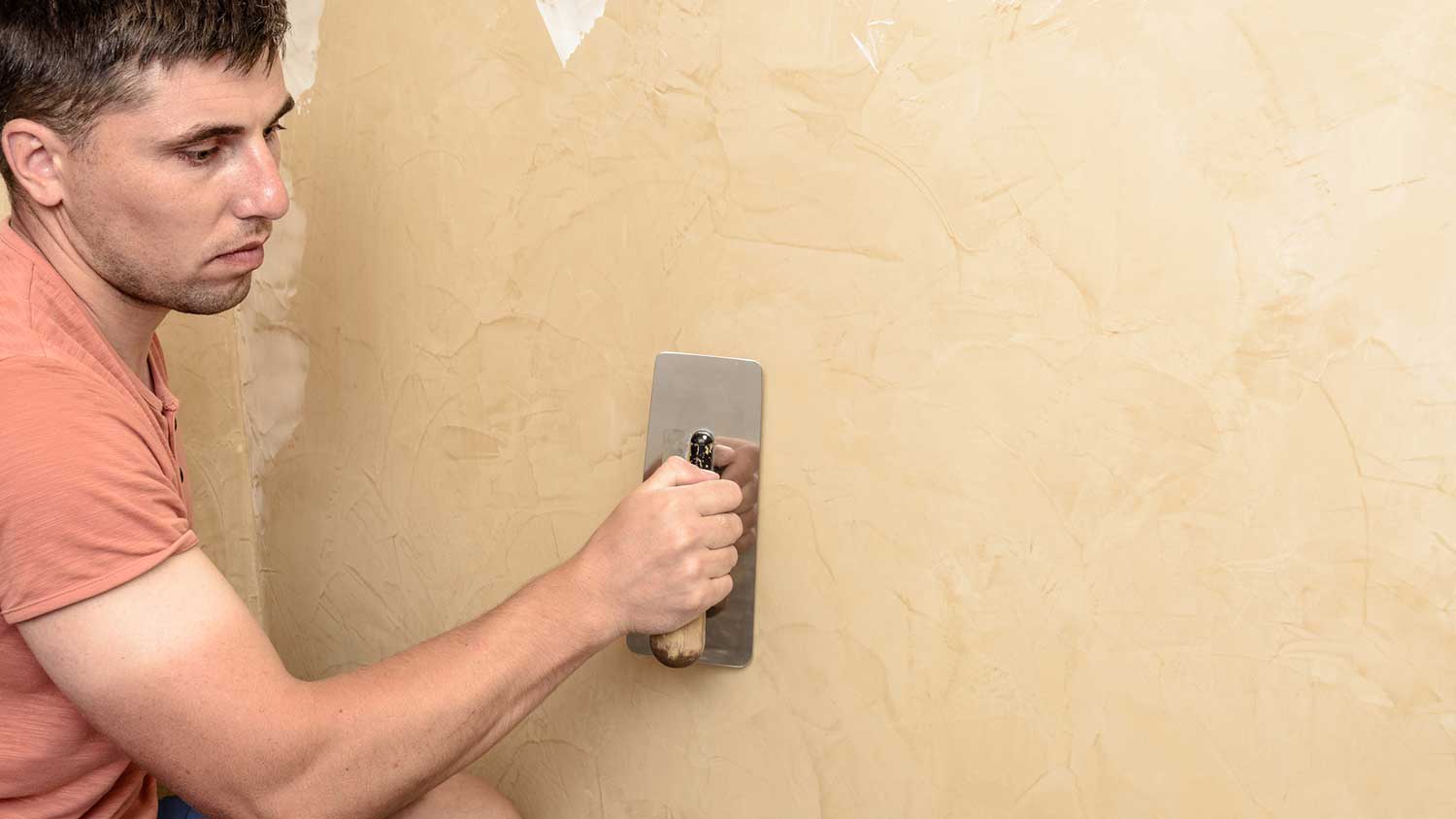
For cracks wider than 0.5 cm, structural repair is needed. If a crack is 2.5 cm (1 inch) or wider, or if you notice any signs of a structural problem, it is best to contact a plaster repair professional to assess the damage.

Yes, you can speed up the time it takes for plaster to dry, but it's important to do so carefully to avoid issues like cracking or crumbling. Proper ventilation is key; open a window or use a fan to circulate air in the room. Heat can also accelerate drying, but be cautious, as too much heat can cause the plaster to dry too quickly and crack. Check the plaster's packaging for the recommended drying temperature and set the room's thermostat accordingly. While managing humidity is important, avoid using a dehumidifier, which can remove moisture too aggressively and result in crumbly plaster.

A local drywall contractor can texture your drywall for you. Drywall contractors are a better choice than general handy people because the contractors have a lot of experience working with drywall mud. The process is somewhat of an art thanks to the complexity of working with the mud, so call in a drywall pro who knows what they’re doing.

Pros ensure smooth finishes and lasting repairs, avoiding visible patches.

The Lakeview, GA homeowners’ guide to drywall services

From average costs to expert advice, get all the answers you need to get your job done.