





Top-rated drywall pros.

Get matched with top drywall pros in Hixson, TN

Enter your zip and get matched with up to 5 pros

Need a pro for your drywall service project in Hixson, TN?

Select your specific project to find the pro for you.

TRUSTED BY HIXSON, TN HOMEOWNERS

  • Average homeowner rating star icon4.6
    Average homeowner rating
  • Verified reviews icon113
    Verified drywall services reviews

Find Drywall pros in Hixson

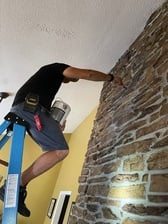
Avatar for Scuba Steve Premier Handyman and Remodeling Services
Scuba Steve Premier Handyman and Remodeling Services
4.4(
206
)
Drywall - InstallDrywall - RepairDrywall - Repair - For Business

Serving Hixson, TN and surrounding areas

Approved

Super Service Award Winner

In business since 2011

Free estimates

Emergency services offered

"It went great! First of all, Steve actually answered his phone, so I didn’t have to leave a voicemail. Steve was on time, organized, & professional. He completed the job in one day. The room looks wonderful! I would hire him again in a heartbeat."
Additional Photos
Additional Photos
Additional Photos
Additional Photos
Additional Photos

+112

Response time1 day
9 neighbors recently requested a quote
Recommended by89%of homeowners
Avatar for Cameleon Construction & Remodeling
Cameleon Construction & Remodeling
5.0(
9
)
Drywall - Repair

Serving Hixson, TN and surrounding areas

Approved

In business since 2020

Free estimates

Emergency services offered

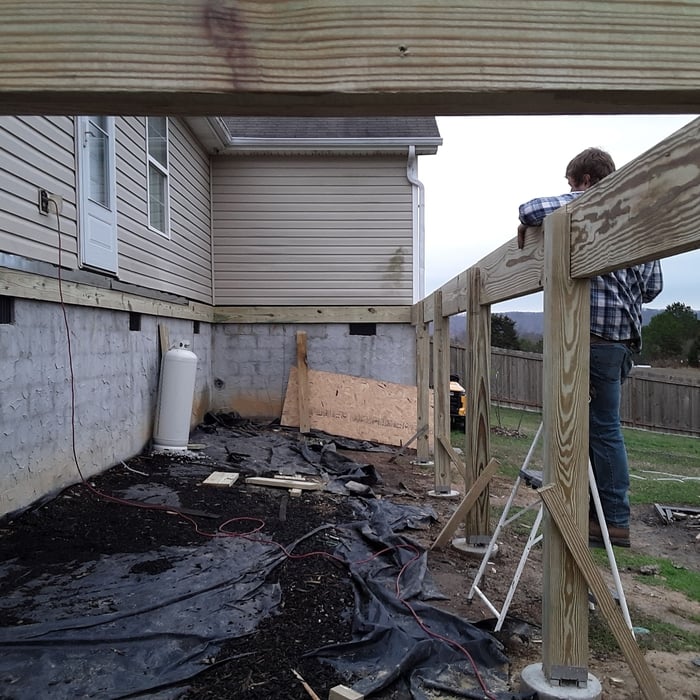
"They built a pergola over a concrete patio. Added electrical and stain. Cesar also Repaired a leak in an outdoor water outlet. We are very happy they were to start right away on the project. Also with the quality and time it took to complete the project."
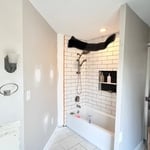
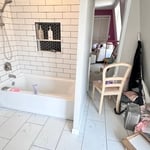
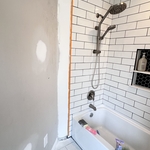
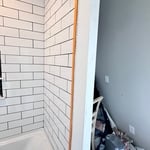
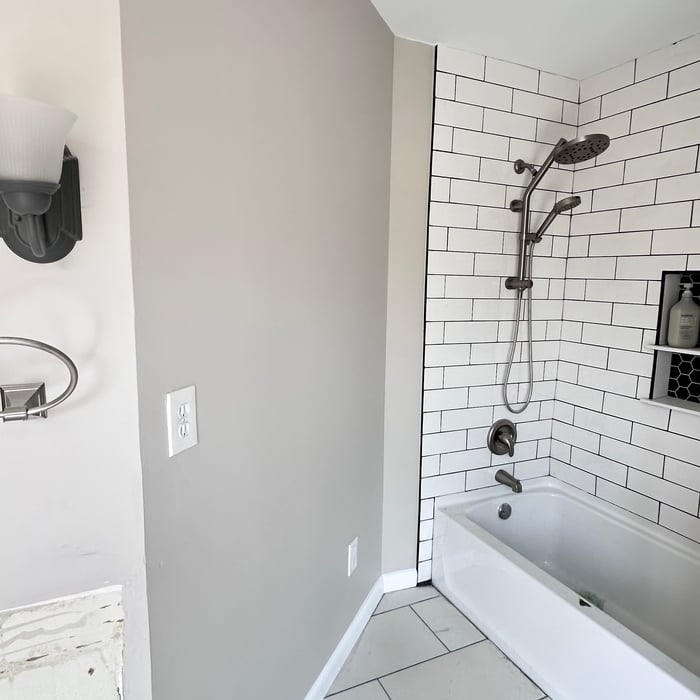
Bathroom Remodeling
Bathroom Remodeling
Bathroom Remodeling
Bathroom Remodeling
Bathroom Remodeling

+45

17 neighbors recently requested a quote
...
Showing 1-10 of 245
Drywall questions, answered by experts

The short answer is yes, a sagging plaster ceiling is dangerous. Sagging plaster on a wall is something you should fix immediately, but it isn’t a major concern. If the same type of sagging occurs on a ceiling, however, you could be in danger of your ceiling falling in large chunks. When plaster sags, it loses its strength and ability to hold itself up. The bonds that hold it together are strong, though, so if a sagging area falls, it will take large pieces down with it.

While it’s most common to sand plaster dry, it is possible to wet-sand plaster, too. Doing so can reduce the amount of plaster dust released into the air and make it easier to work in smaller, more delicate areas (such as around wall trim). However, some people find that wet sanding leads to more imperfections, which is why larger walls are more often dry sanded to ensure an even finish.

Yes, you can mount a TV on plaster walls—as long as you attach it to the studs. Alternatively, you can use toggle bolts, molly bolts, or another type of hardware that’s strong enough to support a TV. 

If you aren’t comfortable with this type of project, you can hire a pro. The cost of mounting a TV to a plaster wall ranges from $25 to $600 (or more), depending on the TV’s weight, size, and other factors.

A utility knife is sharp enough to score the drywall and it may work in a pinch for outlet box holes. However, one of the best tools for drywall when you need to make exact cuts for an outlet box quickly is a drywall saw. This handheld tool has a longer blade than a utility knife, so it penetrates the thickness of the drywall easily. The design of its handle and the teeth in its blade make it easier to control while cutting quicker than you can with a utility knife.

Although they have similar applications, spackle and joint compound are not the same. Their primary differences lie in their composition, consistency, and ideal use cases.

Spackle is composed of gypsum and binding agents, making it thicker than joint compound. It dries quickly and is easy to sand, which makes it ideal for small wall repair projects like filling nail holes or patching minor damage.

Joint compound, also known as drywall mud, consists of limestone and gypsum. It is primarily used for large-scale projects, such as taping and finishing the seams on newly installed drywall. It tends to shrink more than spackle and can be more difficult to spread.

While both products can be used to fill small depressions and cracks, spackle cannot replace joint compound for taping and mudding new drywall. Conversely, you can often use joint compound for small patching jobs typically done with spackle.

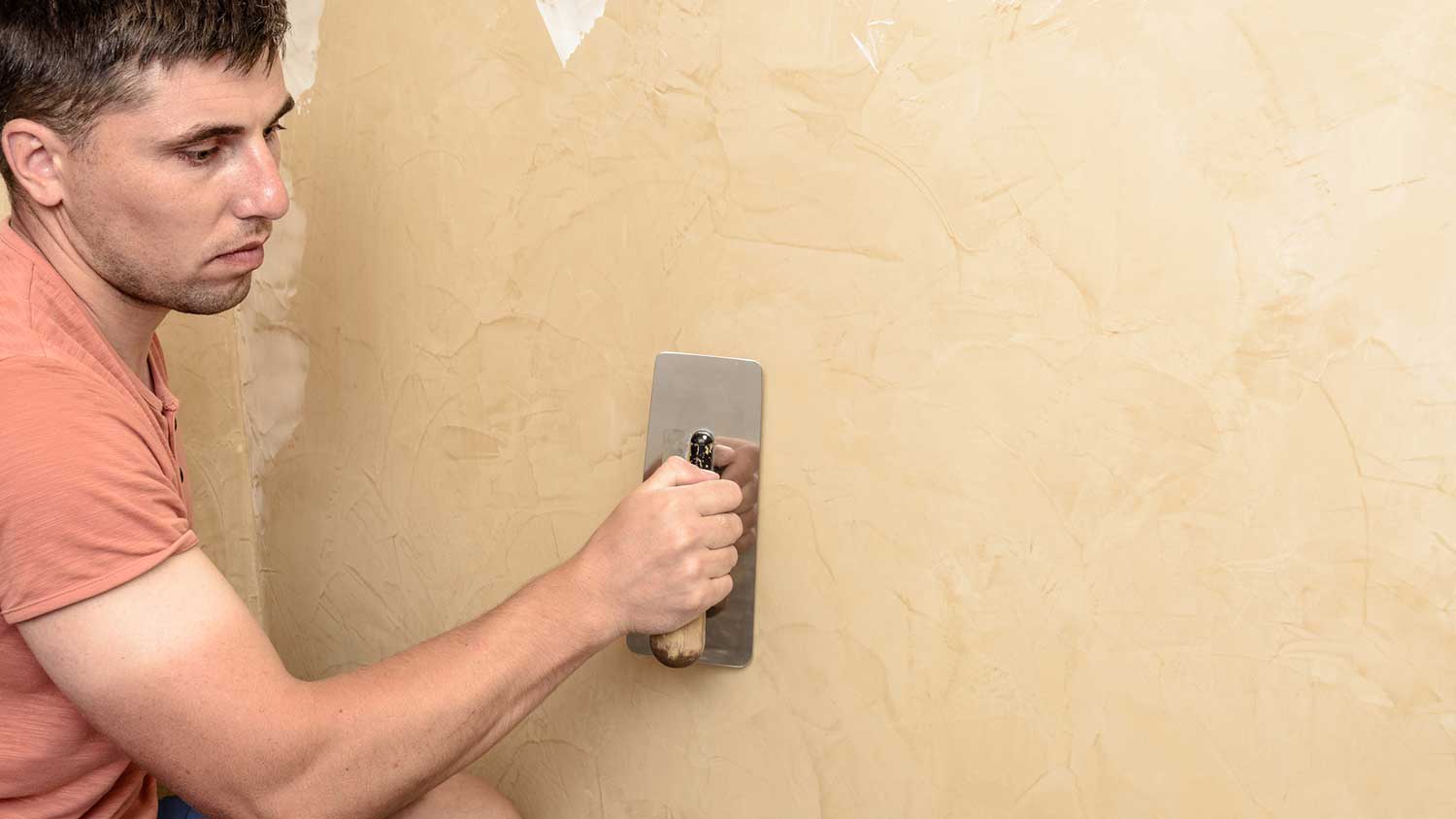
The Hixson, TN homeowners’ guide to drywall services

From average costs to expert advice, get all the answers you need to get your job done.