


Top-rated excavation pros.

Best excavation pros near Kimmins, TN

Enter your zip and get matched with up to 5 pros

Need a pro for your excavation project in Kimmins, TN?

Select your specific project to find the pro for you.

Top-Rated Excavation pros in Kimmins - Updated Nov 2026

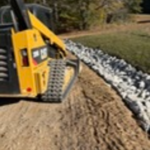
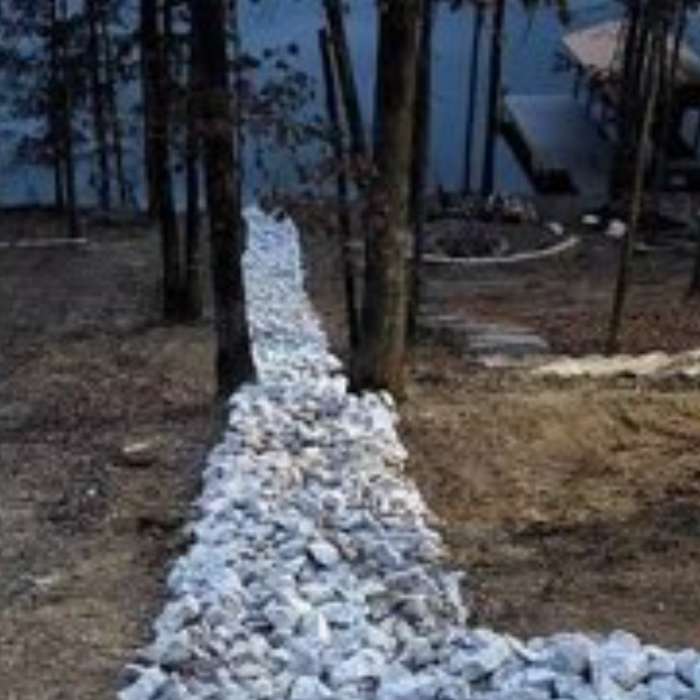
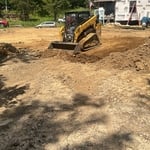
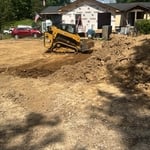
VVM Earthworks
New to Angi
Building Site - Preparation and ClearingExcavation - Major Grading or ReslopingLandscape - Minor Grading or Resloping

Serving Kimmins, TN and surrounding areas

Approved

In business since 2018

Free estimates

VVM Earthworks, proudly serves our customers with pride, integrity, and attention to the details that matter most to you. This is one of the many things that sets us apart from the rest. We leave customers happy and give them a part of us of what we are proud too do.

...
Showing 1-10 of 82
Excavating FAQs, answered by experts

As a general rule, the protected area should be about 1½ times as wide as the canopy of the tree’s leaves. This digging measurement can vary by tree species and the age of the tree. Of course, that can be a lot of fencing for larger trees, which is why our first step is about making difficult decisions on which trees to save.

The rules for trenching and excavation include setting up and following safety protocols, learning how to use tools and machines properly, and ensuring there is a safe exit for all workers. Keep heavy equipment and materials away from the edge of the hole or trench. Call the 811 dig line before starting any excavation or trenching project to ensure you don’t hit any electrical or gas lines.

A trench that is less than 5 feet deep often doesn't require a protective system. Most residential trenches will not go this deep (the typical residential drainage trench is just 18 inches deep). In the event that an excavator needs to dig more than 5 feet beneath the surface, a protective system is required unless the excavation is in entirely stable rock.

The rules and regulations regarding groundwater use vary between states. To find out if you can dig a well on your property, you’ll have to consult these regulations, address any compliance requirements, and get the appropriate permits. It’s also important to check that your intended location has the right geology and water table to support a well.

Hard soil could be a sign of overly dry dirt, either from poor drainage or drought. It's important to test the nutrient levels, density, and drainage capacity of your soil to see if it's absorbing water properly. Begin by adding a light layer of water and observing how long the soil retains moisture. If you experience a good deal of runoff, you may need to aerate your lawn, apply a wetting agent, or hire a professional for a closer look.

The Kimmins, TN homeowners’ guide to excavation services

From average costs to expert advice, get all the answers you need to get your job done.