






Top-rated excavation pros.

Get matched with top excavation pros in Holladay, TN

Enter your zip and get matched with up to 5 pros

Need a pro for your excavation project in Holladay, TN?

Select your specific project to find the pro for you.

Find Excavation pros in Holladay

Avatar for Avara Land Management
Avara Land Management
5.0(
4
)

Serving Holladay, TN and surrounding areas

Approved

In business since 2025

Free estimates

Emergency services offered

"Eric came out and gave me an estimate on some dirt work I needed done. He was very professional and answered every question I had. Eric and his crew done a fantastic job on my dirt work. They were on time and right on budget. Their now my go to company for all my excavation and land development needs!"
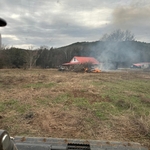
Mayberry land clean up
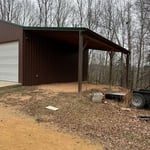
Short creek driveway job

+8

1 neighbors recently requested a quote

...
Showing 1-10 of 60
Excavating questions, answered by experts

Whether you grind or dig up and remove your tree stump depends on your landscaping goals. Using a stump grinder leaves the root system in place for it to decompose over time, whereas digging up the tree stump removes the roots and the stump. Overall, stump grinding is a far simpler process since you won’t need to deal with the roots. Stump removal will make your yard look like a demolition site, but you’ll have an easier time replanting in the same place as your former tree.

Trenchers can dig holes as narrow as 4 inches or as wide as 4 feet. Check the specifications of the trencher you rent or buy to determine how wide it will cut into the landscape. Better yet, let the excavation company know how wide you’d like the trench to be, and they can help you choose the right trencher for the job (or do it for you).

Some two-in-one tools and machines do both jobs, and those could be the right solution for smaller residential projects. However, the phrase “use the right tool for the job” definitely applies to digging. For the best results, get two separate tools for your trenching and landscape edging projects or call a pro to take care of everything for you.

There is no standard depth for burying a septic tank; they are typically buried anywhere from 4 inches to 4 feet underground. The final depth depends on several factors, including the depth of your main sewer line, the height of the bedrock, soil type, local regulations, and the property's landscape. If you plan to grow grass or plants over the tank, a depth of at least 4 to 6 inches is recommended. Deeper tanks can be more difficult to locate, but a septic professional can help find it for you.

In the United States, a depth of 36 inches (three feet) for underground water lines is the accepted industry standard. This depth varies from location to location based on local conditions. In areas with colder winters, they may be buried deeper to prevent frozen well water pipes : This is usually at least six inches below the frost level. The International Plumbing Code calls for a minimum of 12 inches below grade.

The Holladay, TN homeowners’ guide to excavation services

From average costs to expert advice, get all the answers you need to get your job done.