
Top-rated excavation pros.

Best excavation pros near Mount Pleasant, TN

Enter your zip and get matched with up to 5 pros

Need a pro for your excavation project in Mount Pleasant, TN?

Select your specific project to find the pro for you.

TRUSTED BY MOUNT PLEASANT, TN HOMEOWNERS

  • Average homeowner rating star icon4.6
    Average homeowner rating
  • Verified reviews icon20
    Verified excavation services reviews

Top-Rated Excavation pros in Mount Pleasant - Updated Nov 2026

Avatar for Noble Landscaping & Construction
Noble Landscaping & Construction
4.0(
53
)
Landscape - Minor Grading or Resloping

Serving Mount Pleasant, TN and surrounding areas

Approved

In business since 2020

Free estimates

Emergency services offered

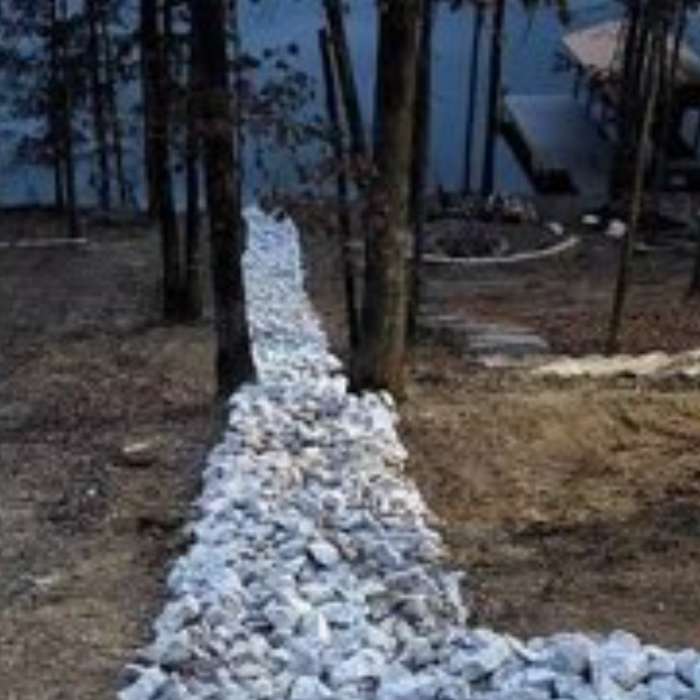
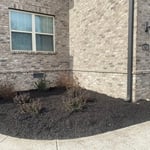
"The guys worked very hard cleaning out my beds and replacing them with new plants, After the planting was completed they installed a geotextile fabric and river rock. It looks so much better!"
Landscaping Project
Mowing season
Mowing
Pressure washing
Landscaping Project

+92

Response time1 day
2 neighbors recently requested a quote
Recommended by63%of homeowners
Leedy Farms & Land Management LLC
New to Angi
Landscape - Minor Grading or Resloping

Serving Mount Pleasant, TN and surrounding areas

Approved

Leedy Farms & Land Management LLC is a locally owned and operated land management, excavation, and property improvement company based in Buchanan, Tennessee. Established in 2023, our team brings decades of combined hands-on experience in heavy equipment operation, excavation, land clearing, grading, property maintenance, welding, fabrication, construction support, and industrial work.\n\nWe serve West Tennessee and surrounding areas and are willing to travel for larger projects. Our services include excavation, land and lot clearing, tree and brush removal, driveway and road work, gravel spreading, grading, drainage improvements, bush hogging, site preparation, and property cleanup.\n\nWe believe in honesty, dependability, hard work, clear communication, and treating every customer's property like our own. We take pride in doing the job right from start to finish.\n\nFrom clearing to completion – we do it all!

...
Showing 1-10 of 142
Excavating FAQs, answered by experts

Hardscaping often requires preparation of the ground in the area where the feature is being installed. This can include digging, compacting, and leveling the soil, ensuring adequate drainage, and removing any existing plants. The extent of preparation needed will depend on the type and size of the hardscaping feature being installed.

Call 811 to locate and mark the gas lines at least three days before digging. In many areas, you can dig within 18 inches of the lines, though in some locations, the distance may be further. Check local regulations, as you may need a utility company representative onsite when digging. Document your calls to 811 and precautions taken to avoid gas lines. A homeowner can be held liable for hitting a gas line in some cases, but contacting the proper authorities and following all guidelines can offer protection.

Excavation is priced in cubic yards, so you’ll need to find the volume of the area in order to calculate costs. Multiply the length, width, and proposed depth of your excavation site, then convert it into yards to get the volume. Multiply this figure by the price per cubic yard.

Most homeowners can measure by hand to get a rough estimate, even if it’s tedious. You may want to pull out a tape measure or use a string to help mark the area.

There is no standard depth for burying a septic tank; they are typically buried anywhere from 4 inches to 4 feet underground. The final depth depends on several factors, including the depth of your main sewer line, the height of the bedrock, soil type, local regulations, and the property's landscape. If you plan to grow grass or plants over the tank, a depth of at least 4 to 6 inches is recommended. Deeper tanks can be more difficult to locate, but a septic professional can help find it for you.

The best method for digging a trench depends on the scope of the project. For a short, shallow trench (less than 2 feet deep) in light, soft soil, digging by hand may be sufficient. However, digging by hand is labor-intensive, so consider the effort required. A machine trencher is the better option for longer trenches (over 100 feet), deeper ones, or when dealing with difficult soil conditions, such as rocky or hard ground, or obstructions like tree roots. A machine can save significant time and energy in these situations.

The Mount Pleasant, TN homeowners’ guide to excavation services

From average costs to expert advice, get all the answers you need to get your job done.