





Top-rated excavation pros.

Get matched with top excavation pros in Ethridge, TN

Enter your zip and get matched with up to 5 pros

Need a pro for your excavation project in Ethridge, TN?

Select your specific project to find the pro for you.

Find Excavation pros in Ethridge

Avatar for Collinwood Excavation & Communications
Collinwood Excavation & Communications
4.5(
17
)
Building Site - Preparation and ClearingBuilding Site - Preparation and Clearing - For BusinessExcavation - Major Grading or Resloping+1 more

Serving Ethridge, TN and surrounding areas

In business since 2006

Free estimates

Credit card accepted

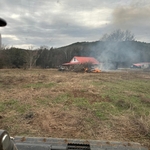
"They did a lot of work for us, tearing down an old barn and mobile home, bush hogging a couple of acres and part of our woods; and refurbishing our driveway. They did a great job, my only disappointment was they didnâ t get all the junk removed, but overall Iâ m happy with their work."
Response time1 day
Response rate85%
Recommended by92%of homeowners

...
Showing 1-10 of 87
Excavating questions, answered by experts

A perc test can take anywhere from one to eight hours to complete. The total time depends on factors like the amount of excavation required, the depth and width of the holes, and whether multiple test holes are needed. For a single hole, the process of filling it with water and monitoring the drainage rate usually takes less than an hour. Professionals can often complete the entire test in a single day. While it's possible to get results the same day, some companies may take a few days to provide the official report.

Septic drain lines (or leach lines) are typically buried between 18 and 36 inches underground, and should be at least 6 inches below the surface. These pipes are perforated and surrounded by filtering materials like sand or gravel. Burying the lines at this depth helps minimize odors and allows bacteria and other biological processes in the soil to effectively treat the wastewater. Burying lines too close to the surface can cause issues unless the soil is very compact and stable.

Most residential basements are 8 to 10 feet deep. You can dig deeper depending on building codes, but it does become more difficult. You’ll likely need to install stronger foundation walls and additional supports to handle the increased load. Depending on the water table, you may also need a water management system. Clay soil can support a deeper foundation than sandy soil. A structural engineer will be able to tell you the maximum, feasible depth.

As a general rule, the protected area should be about 1½ times as wide as the canopy of the tree’s leaves. This digging measurement can vary by tree species and the age of the tree. Of course, that can be a lot of fencing for larger trees, which is why our first step is about making difficult decisions on which trees to save.

Slab foundations are more affordable than crawl spaces because they require minimal excavation, as the slab sits directly on the ground or on footers that only sink a few feet into the ground. Crawl spaces require excavation of the entire footprint of the home to several feet below the surface. Not only does that mean higher labor costs, but more materials are necessary for the concrete foundation walls.

The Ethridge, TN homeowners’ guide to excavation services

From average costs to expert advice, get all the answers you need to get your job done.