







Top-rated excavation pros.

Get matched with top excavation pros in Waverly, TN

Enter your zip and get matched with up to 5 pros

Need a pro for your excavation project in Waverly, TN?

Select your specific project to find the pro for you.

Find Excavation pros in Waverly

VVM Earthworks
New to Angi
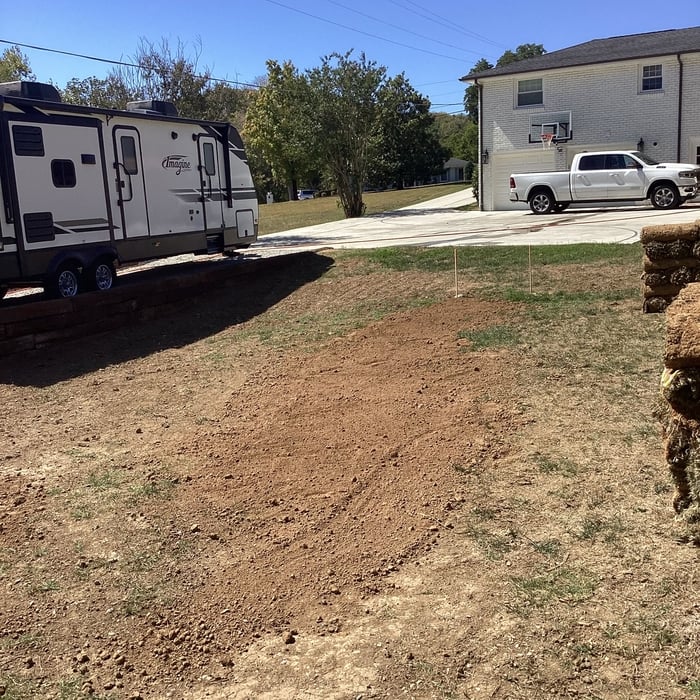
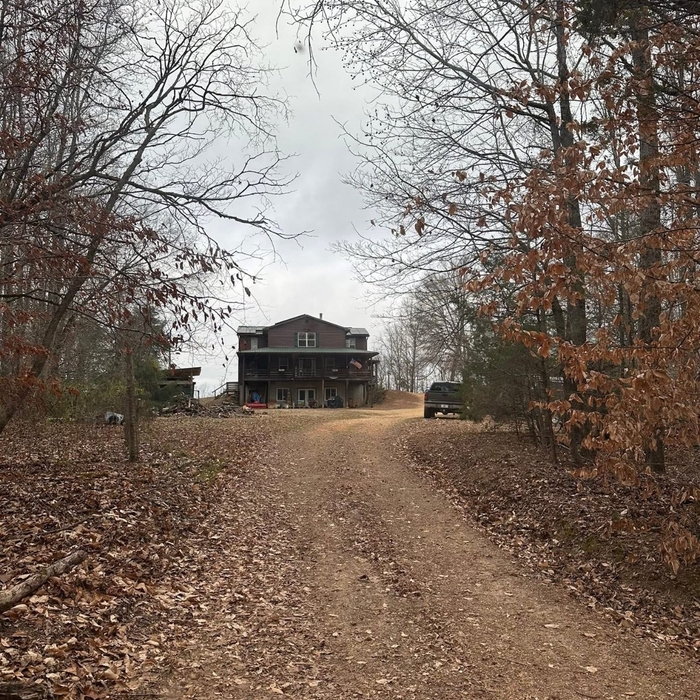
Building Site - Preparation and ClearingExcavation - Major Grading or ReslopingLandscape - Minor Grading or Resloping

Serving Waverly, TN and surrounding areas

Approved

In business since 2018

Free estimates

VVM Earthworks, proudly serves our customers with pride, integrity, and attention to the details that matter most to you. This is one of the many things that sets us apart from the rest. We leave customers happy and give them a part of us of what we are proud too do.

...
Showing 1-10 of 62
Excavating questions, answered by experts

There is no standard depth for burying a septic tank; they are typically buried anywhere from 4 inches to 4 feet underground. The final depth depends on several factors, including the depth of your main sewer line, the height of the bedrock, soil type, local regulations, and the property's landscape. If you plan to grow grass or plants over the tank, a depth of at least 4 to 6 inches is recommended. Deeper tanks can be more difficult to locate, but a septic professional can help find it for you.

Preparation involves site assessment, clearing debris, grading surfaces, and compacting soil to support stable construction.

Whether you grind or dig up and remove your tree stump depends on your landscaping goals. Using a stump grinder leaves the root system in place for it to decompose over time, whereas digging up the tree stump removes the roots and the stump. Overall, stump grinding is a far simpler process since you won’t need to deal with the roots. Stump removal will make your yard look like a demolition site, but you’ll have an easier time replanting in the same place as your former tree.

The digging depth will depend on the size of the trencher you use. Even smaller units can dig up to 4 feet deep, which is plenty for a DIY job. However, much larger trenchers can reach a depth of 18 feet and are better used by a team of pro contractors, not a single DIYer. As with all home improvement projects, use the right tool for the job and proceed with caution.

Yes, chipmunk holes may have two or more entrances. Chipmunks can create an entire network of burrows. Having multiple entrances makes it easier for them when trying to escape from a predator, such as a snake, or if an entrance collapses due to flooding. Each entrance leads to the nesting chamber underground, which is where the chipmunk spends the majority of its time sleeping.

The Waverly, TN homeowners’ guide to excavation services

From average costs to expert advice, get all the answers you need to get your job done.