"Large amount of work was needed, and job is about 80% complete. Hard workers that want to do a great job. Very courteous and professional when discussing details. They were willing to rent special equipment to get the work finished."
David Ferguson's construction business is dedicated to quality and outstanding customer service. Our job is to provide you with quality service at a great price. Please don't wait call us today.
Coverage varies quite a bit by policy, but most homeowners' insurance policies will cover $500 to $1,000 of the cost of removing a tree. Additionally, if your tree causes damage to your property, like your house, many policies will cover some or all of the costs to repair the damage, depending on why the tree fell.
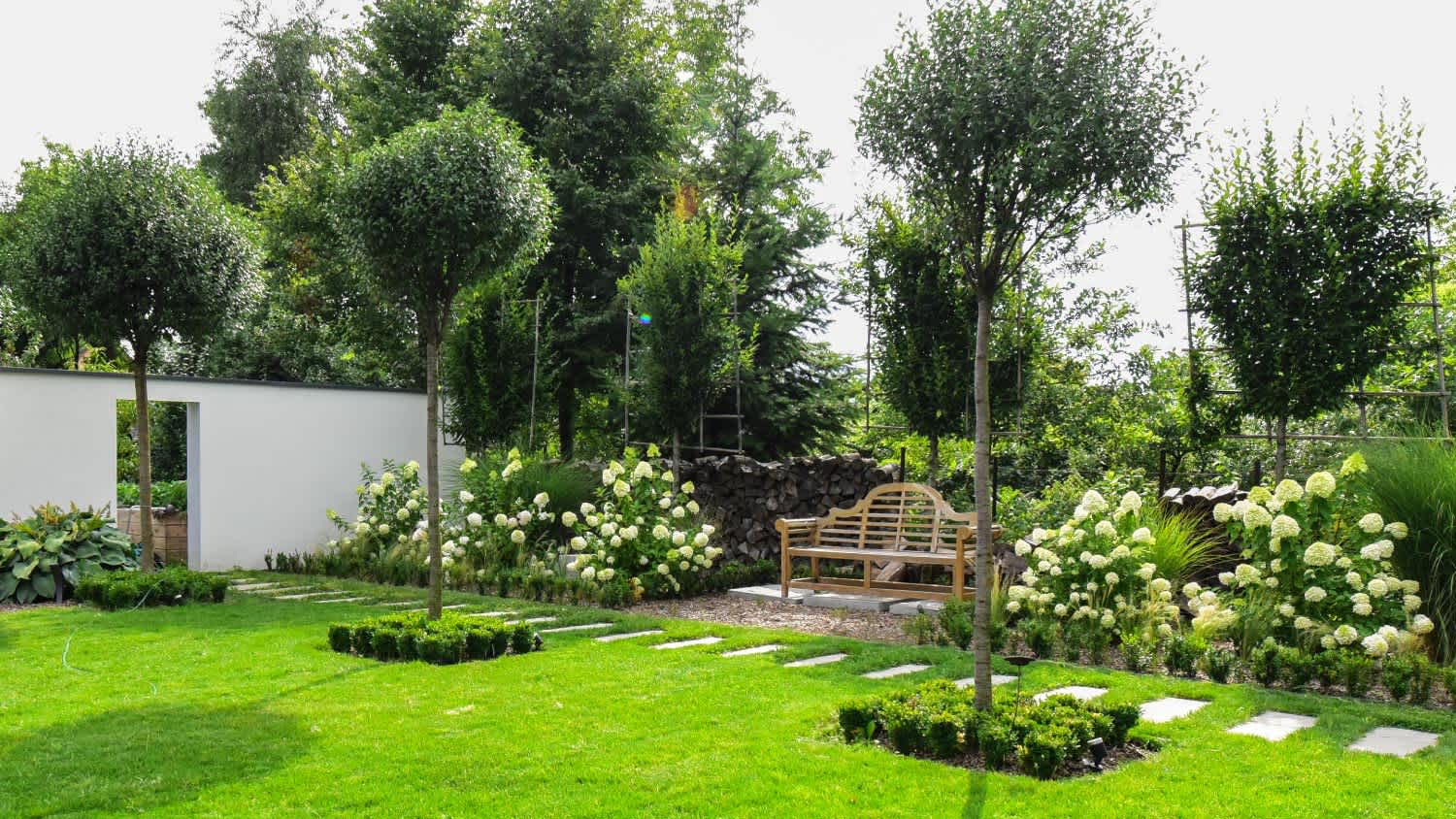
Talking with a septic pro before planting trees near your tank is best to ensure the roots won’t interfere with your septic system. However, there is an easy way to figure out where to plant a tree—but you’ll need to know how tall it can get when it’s fully grown. For instance, if the tree can reach 50 feet, plant it at least 50 feet from your septic system.
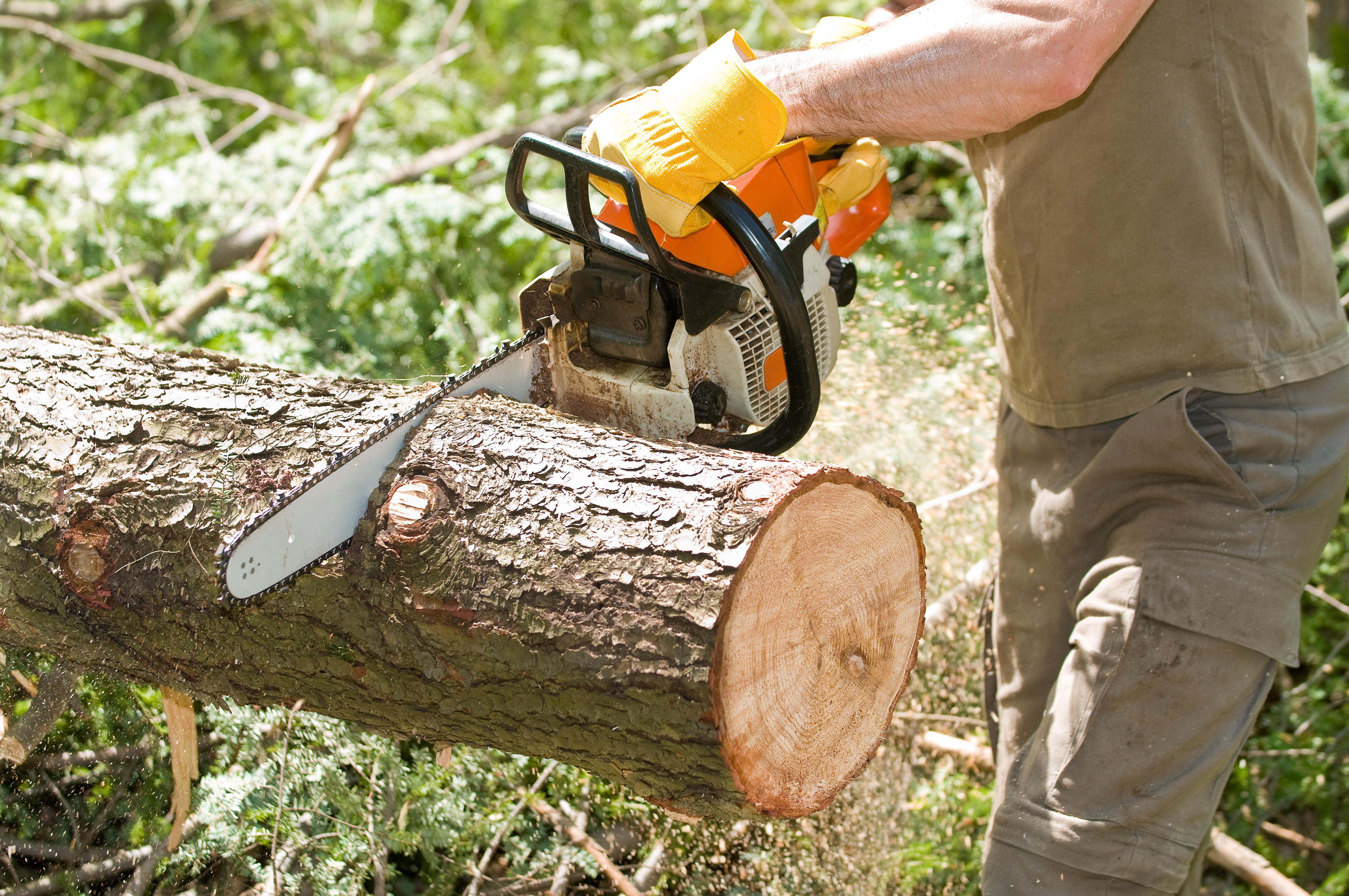
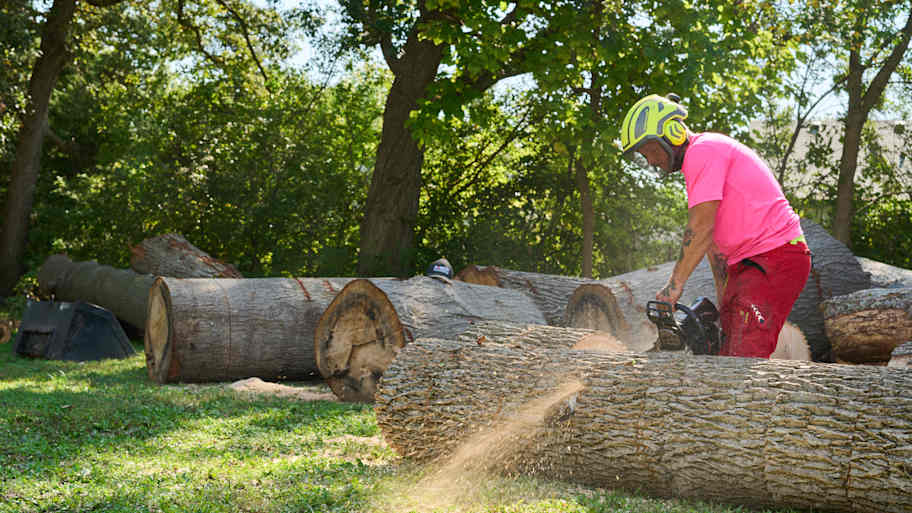
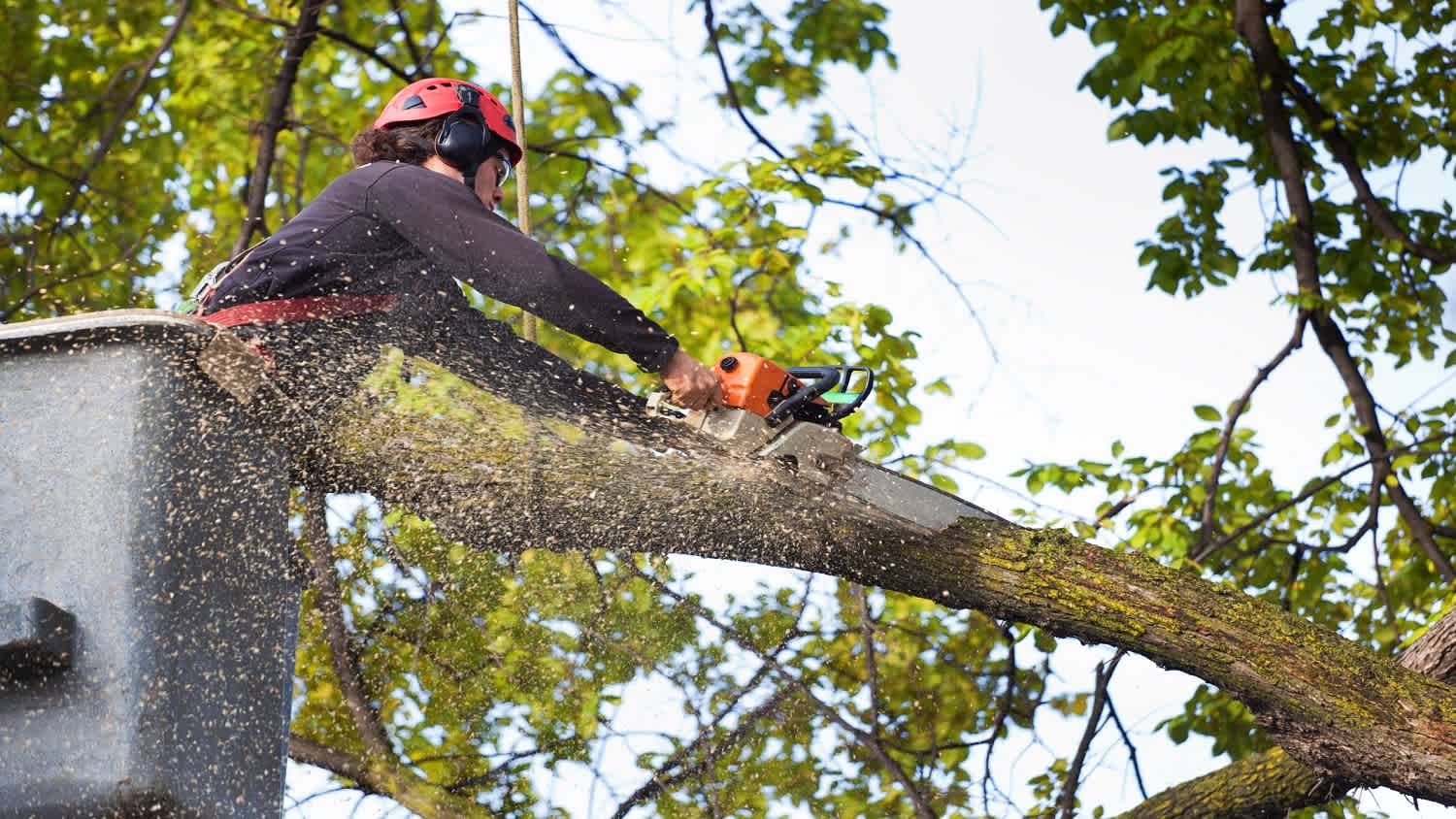
You can hire a professional arborist or tree removal service to cut down a tree to ensure safety, prevent property damage, and comply with all the local regulations. It’s highly advisable to always hire a professional, as tree removal can be extremely dangerous, especially for large or damaged trees. Certified arborists or tree removal experts have the proper equipment, training, and insurance to do the job safely and efficiently. They can also handle cleanup, stump removal, and obtaining the necessary permits.
Make sure the tree roots soak around a day before you dig the tree up for the transplant. Keep the roots wet while the tree is above ground. After the transplant is finished, provide consistent water every day for the first month or so. You don’t want to overwater the tree, but you do want to keep the roots wet so they can thrive in their new environment.
Deciduous shade trees (the type of trees whose leaves fall off in autumn) need to be pruned in late winter—between February and March. That’s because it’s easier to find and remove sick or dead branches when no leaves are present. And wounds close and heal faster in colder temperatures so pruning them at this time also makes them less prone to infection.
The Saint Francis, SD homeowners’ guide to tree services
From average costs to expert advice, get all the answers you need to get your job done.
Tree inspections can ensure your trees stay healthy and safe, preventing costly damage. Learn how much tree inspections cost and what can affect the price.
How much does an arborist cost? This guide explains the cost of different services, ongoing expenses, and other factors to consider when hiring an arborist.
Follow these tips to learn how to find a good tree removal service. Doing a little research can help you save time and money when you need to say goodbye to your trees.
You suspect that the leaning oak tree in the back needs to come down, but can you just handle it yourself? Here are the pros and cons of calling a tree service.