We take great pride in our experience, expertise, quality and customer service that we provide to meet the consumers needs. It is our mission to provide excellent workmanship and complete customer satisfaction from start to completion of a project. In order to understand the needs and expectations of our customers, we take great care to work and communicate with every customer in a professional manner. Our reputation is based on service, safety and quality, regardless of how large or small the job.
Yes, hardscaping is generally a great investment that can increase your home's value. Hardscape features improve your yard's functionality, safety, and aesthetics, which boosts curb appeal and overall property value. According to a survey by the National Association of Realtors and the National Association of Landscape Professionals, hardscape upgrades are one of the top four outdoor projects that add value to a property for resale, along with landscape upgrades, landscape management, and lawn care services. While most buyers see value in these features, some may be concerned about potential increases in property taxes or the cost to alter them later. However, the return on investment is typically excellent. For best results, hardscaping should be combined with professional landscaping, and it's wise to hire a reliable contractor for installation.
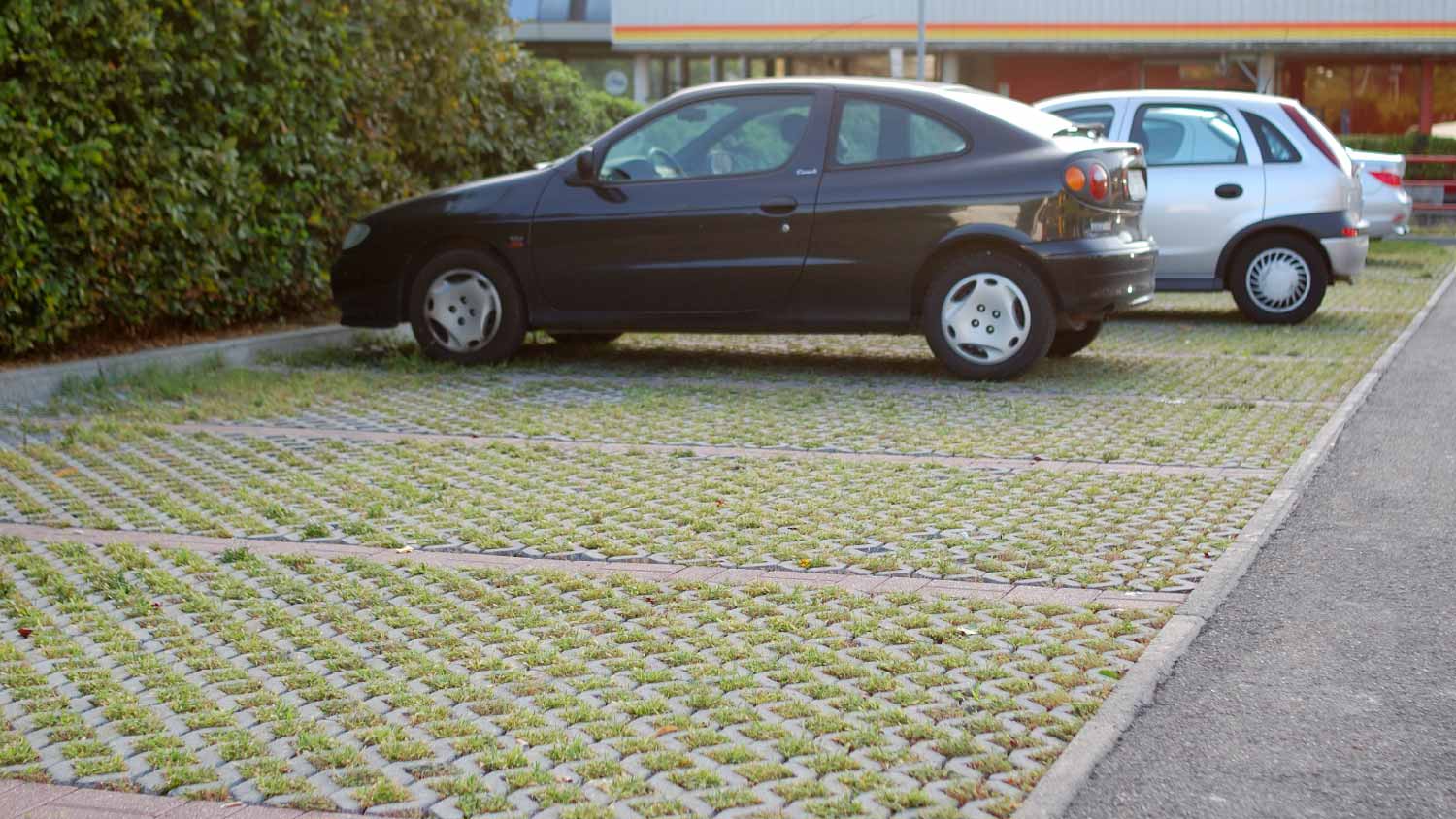
Grass pavers are suitable for heavy foot or vehicle traffic, but they’re not as resistant as concrete or asphalt pavers.
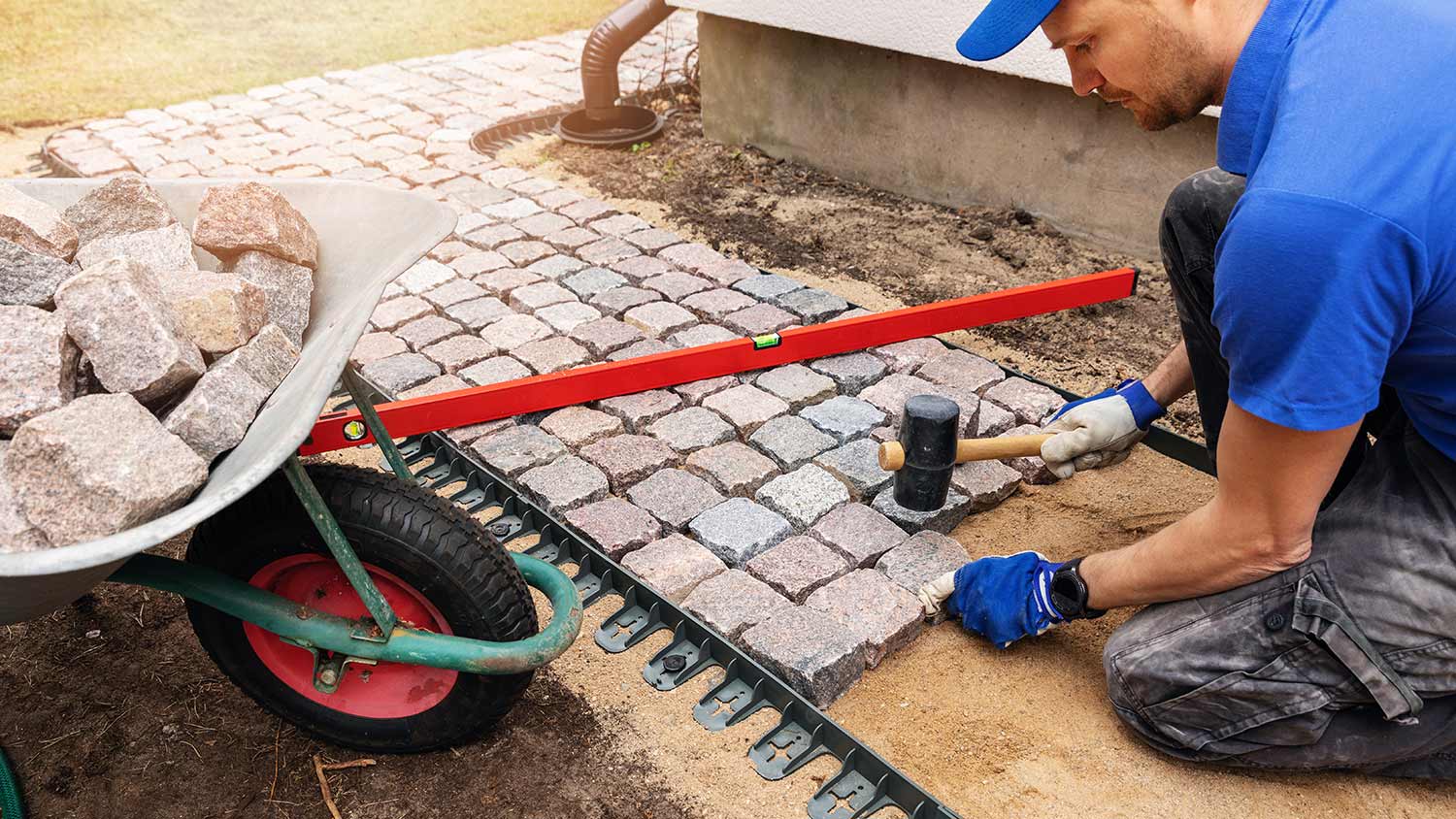
If pavers are uneven but not sunken, lift the affected bricks and check the bedding sand underneath. In many cases, simply smoothing out or adjusting the sand is enough to level them. Add or remove small amounts as needed, then press the pavers back into place and tap them with a mallet until they sit evenly with the surrounding surface.
To adhere pavers to concrete, you can use either mortar or a concrete-specific adhesive. For border pavers, a polyurethane-based adhesive is a good choice as it expands and contracts with temperature changes, keeping them firmly in place. For the non-border pavers, polymeric sand is used between the joints to prevent shifting. In most cases, it is also recommended to lay a permeable sand layer below the pavers to ensure proper stability and drainage. Before starting, always take the proper preparatory steps for a professional result.
Yes, you can put thin pavers over a concrete driveway. However, it's always best to talk to a driveway installer before starting. You'll need to ensure that the concrete below is in good enough shape to hold the pavers and that the driveway will still meet local building codes.
The Onida, SD homeowners’ guide to paving services
From average costs to expert advice, get all the answers you need to get your job done.
The cost of a tar and chip driveway falls between gravel and asphalt. Is this unique process the happy medium you've been looking for? Let's take a look.
Get proactive with marketing for your paving contractor business. Use these paving marketing ideas (ranked by budget and experience level) to grow your business, get more leads, and earn more money.