Doorbell Installation questions, answered by experts
For standard 2x4 walls, the ideal insulation has an R-value between R-13 and R-15. This level of insulation, typically around 3.5 inches thick, fits well within the wall cavity. Common options include fiberglass batts and spray foam. The best choice for your home can depend on your climate; use R-value maps, like those from Energy Star, to determine the recommended level for your region. For colder climates, you might also consider adding exterior insulation for greater efficiency. Always check with your local building codes to ensure you meet any required standards.
Adding insulation to ceilings is an excellent way to increase the energy efficiency of your home. If your home's layout is such that you need insulation in the ceilings rather than in the roof, it's likely that at least some insulation already exists in the space. However, each additional inch of insulation you can add boosts the R-value by between 2.2 and 4.2.
The most affordable way to insulate a garage involves choosing cost-effective materials like fiberglass, which comes in batts or rolls and is relatively easy to install. You can often install this type of insulation without needing to add drywall, which helps reduce costs. While a DIY approach might seem cheapest, hiring a professional installer can be highly cost-effective. Experts can accurately determine your garage's specific insulation needs and ensure the best results for your investment, often using batt insulation for the bulk of the project.
Installing sheets of plywood over attic insulation is a popular choice, especially in storage spaces. That said, insulation works by trapping hot air—so it needs extra space to expand and be effective, or you might reduce the energy efficiency of your home.
It’s important that you never compress the insulation by installing flooring directly on top of it. In many houses, you’ll need to install a subfloor before putting plywood over insulation in your attic.
It's essential to use insulation materials specifically designed for air ducts. Common types of duct insulation materials include fiberglass, foam board, and reflective foil. These insulation materials have the right properties to withstand the temperature and airflow conditions within the ductwork. Using the appropriate insulation not only ensures efficient temperature control but also prevents potential safety hazards or the release of harmful particles into the air.
The Presho, SD homeowners’ guide to doorbell installation services
From average costs to expert advice, get all the answers you need to get your job done.
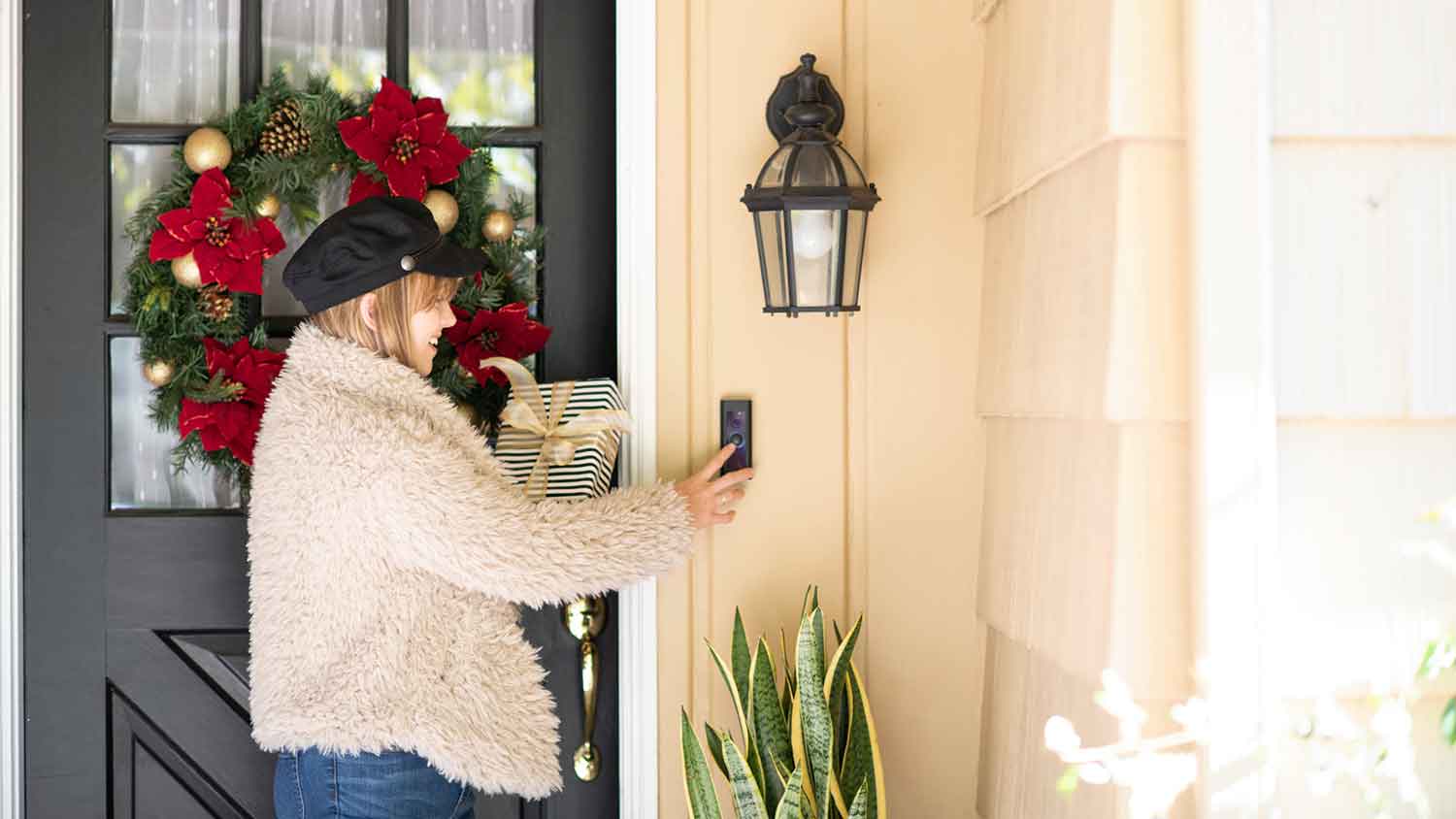
Ring a bell? From replacing a wired doorbell to setting up a smart home system, learn about typical doorbell installation costs, including materials and labor.
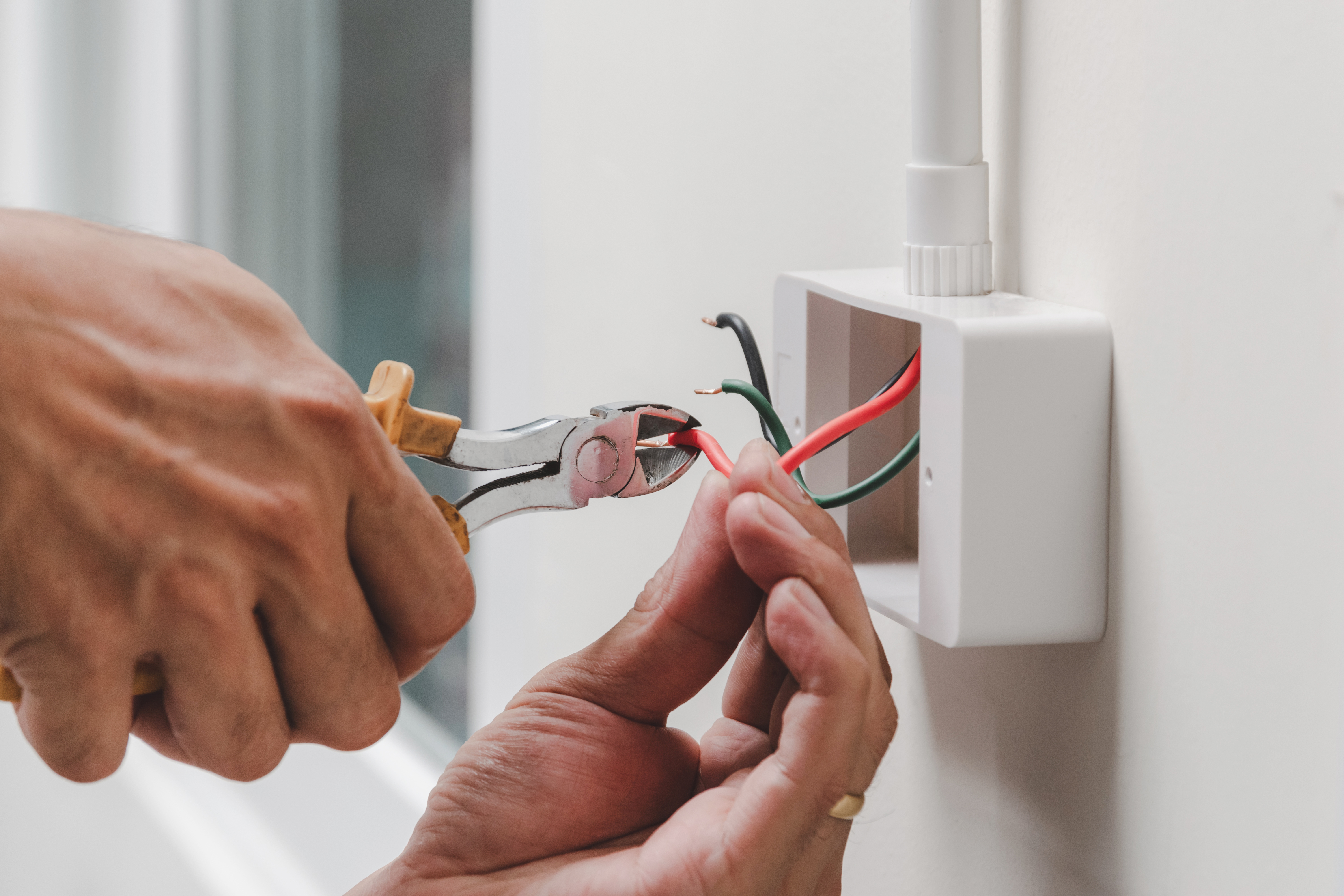
How much does it cost to install a doorbell camera? It depends on whether you plan to DIY or hire a pro. Learn about different models and their power sources, too.
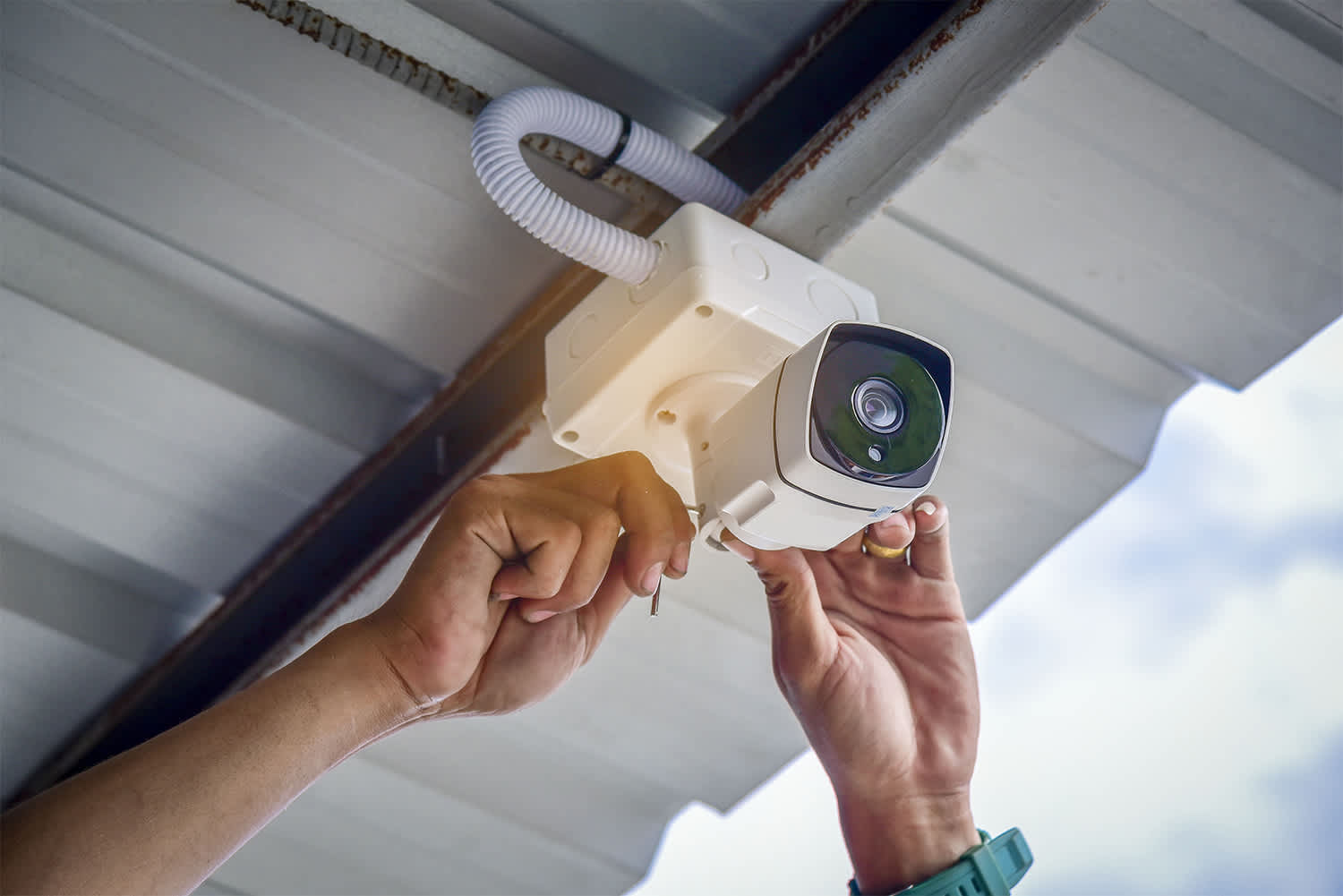
Doorbell wiring is a project you can DIY. This guide covers everything you need to know, from different types of doorbells to wiring, and how to remove an old doorbell.

Ready to upgrade your front door and learn how to wire a doorbell? You may be able to handle this relatively simple DIY installation without an electrician.