Doorbell Installation questions, answered by experts
In some areas, insulation companies require a special license, while some states only require them to hold general contractor licenses. Some municipalities may not mandate any license, although you should always ensure a contractor is fully insured. You can use Angi’s license lookup tool to confirm whether or not an insulation contractor you’re considering holds the necessary license for your area. You can also contact the company for information regarding licenses, certifications, and insurance.
Yes, you should insulate your copper pipes to help regulate their temperature. Well-insulated copper pipes will be protected from freezing and can conserve energy by keeping hot water warm for longer. Foam rubber insulation tubes are the best pipe insulation to prevent freezing since they fit tightly around the pipes while still maintaining some flexibility.
Installing sheets of plywood over attic insulation is a popular choice, especially in storage spaces. That said, insulation works by trapping hot air—so it needs extra space to expand and be effective, or you might reduce the energy efficiency of your home.
It’s important that you never compress the insulation by installing flooring directly on top of it. In many houses, you’ll need to install a subfloor before putting plywood over insulation in your attic.
Yes. Proper, complete insulation will ensure that you trap the most cool or warm air inside your home, preventing high energy bills. In addition, insulation tends to settle and compress, leaving gaps over time; the more you insulate completely during the initial installation, the less you’ll need to do down the line.
The lifespan of crawl space insulation depends on how well you maintain your insulation and the type of insulation. Fiberglass will need replacing every 15 to 20 years on average if you don't have a vapor barrier in place. If you do have vapor barriers in place, then your insulation could last much longer. Spray foam insulation can last anywhere from 80 to 100 years.
The Kimball, SD homeowners’ guide to doorbell installation services
From average costs to expert advice, get all the answers you need to get your job done.
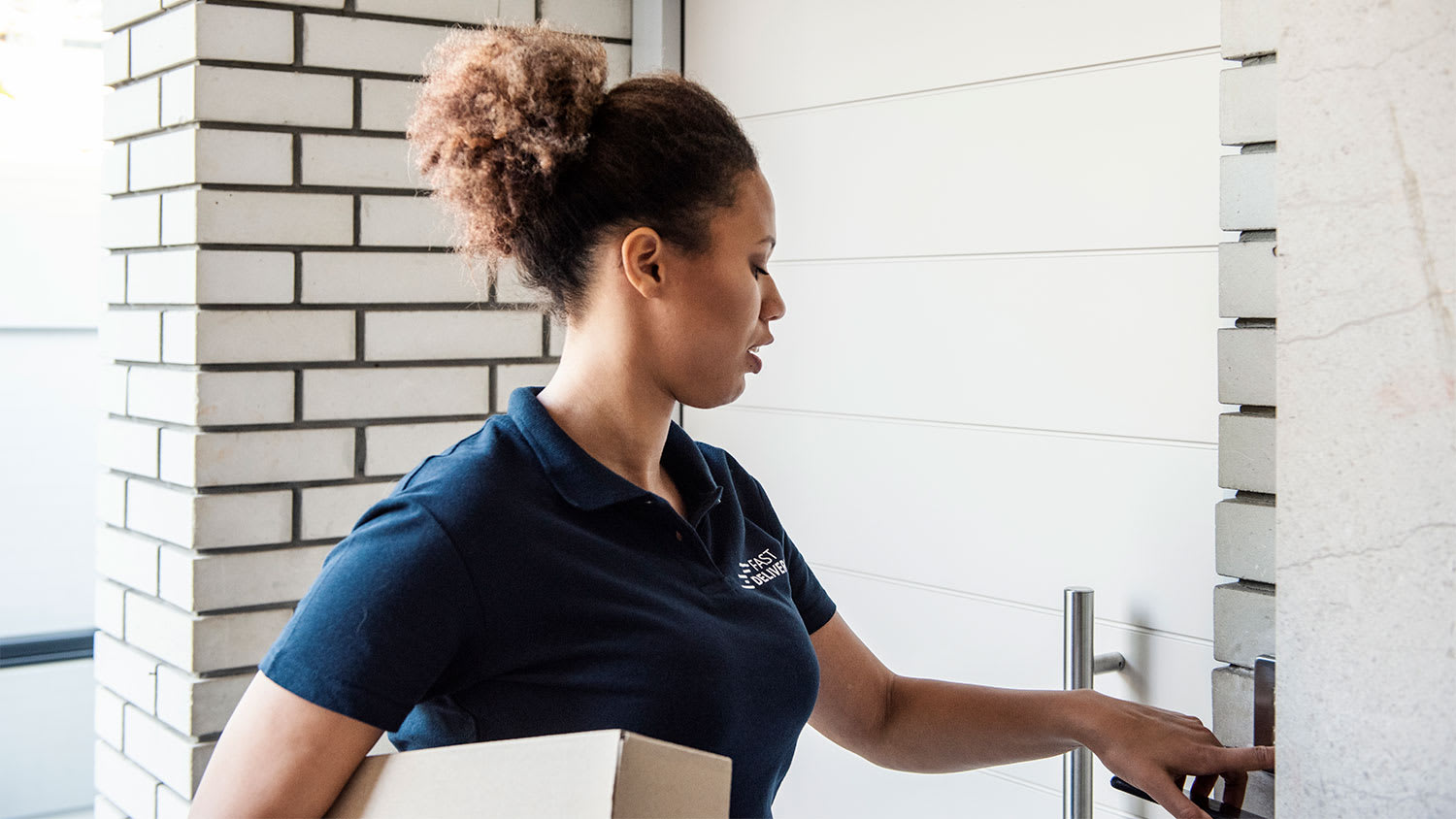
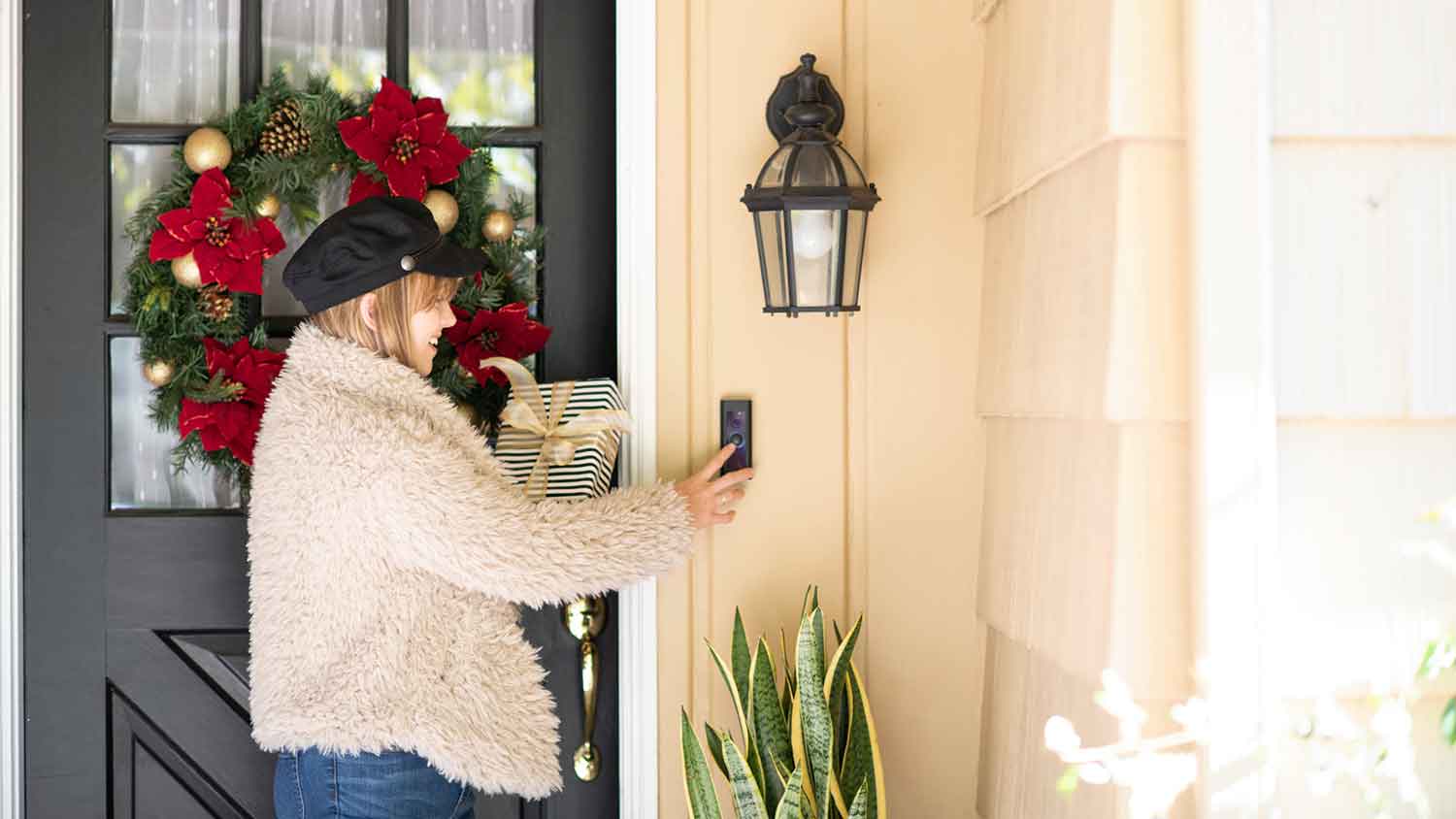
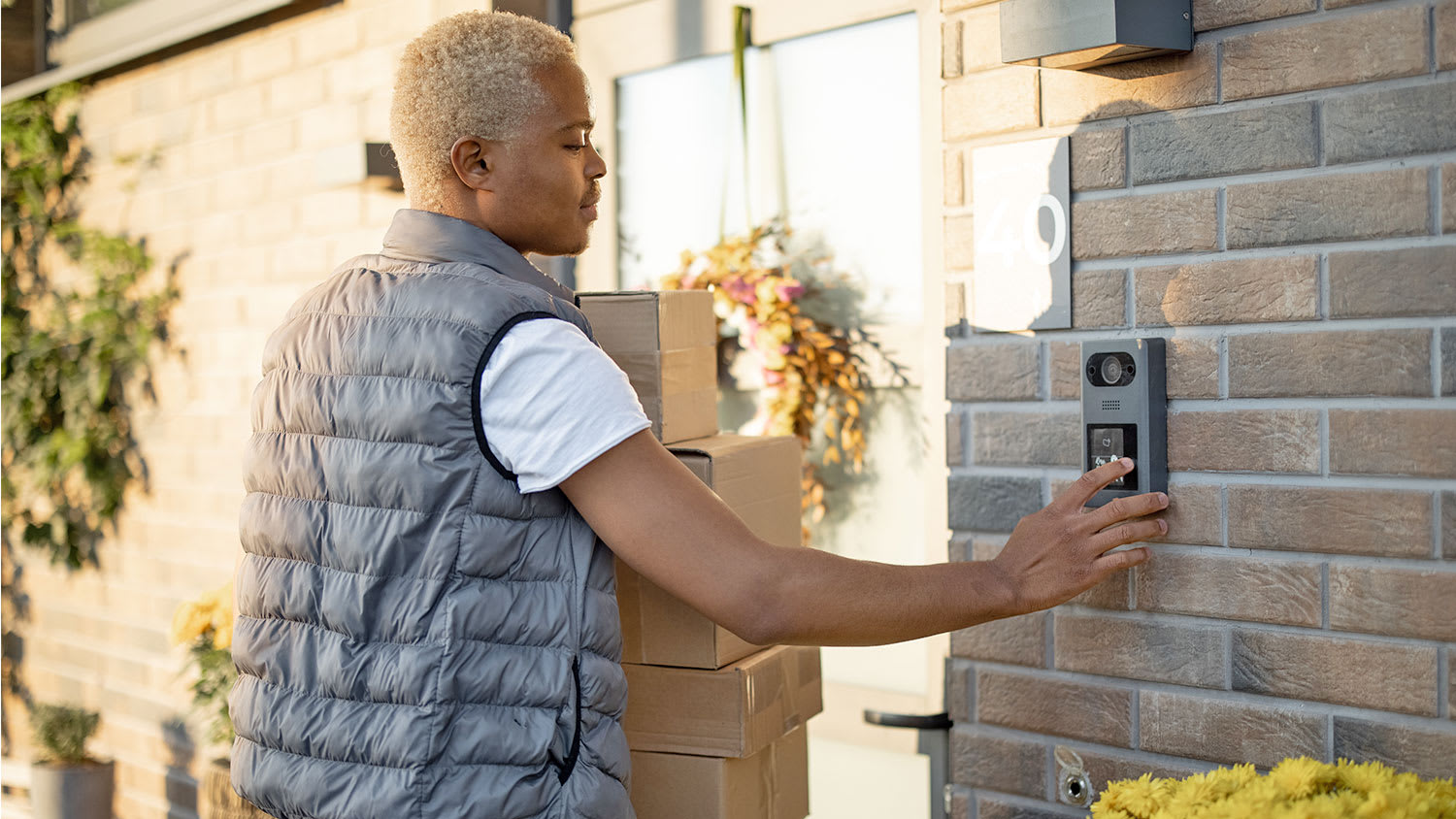
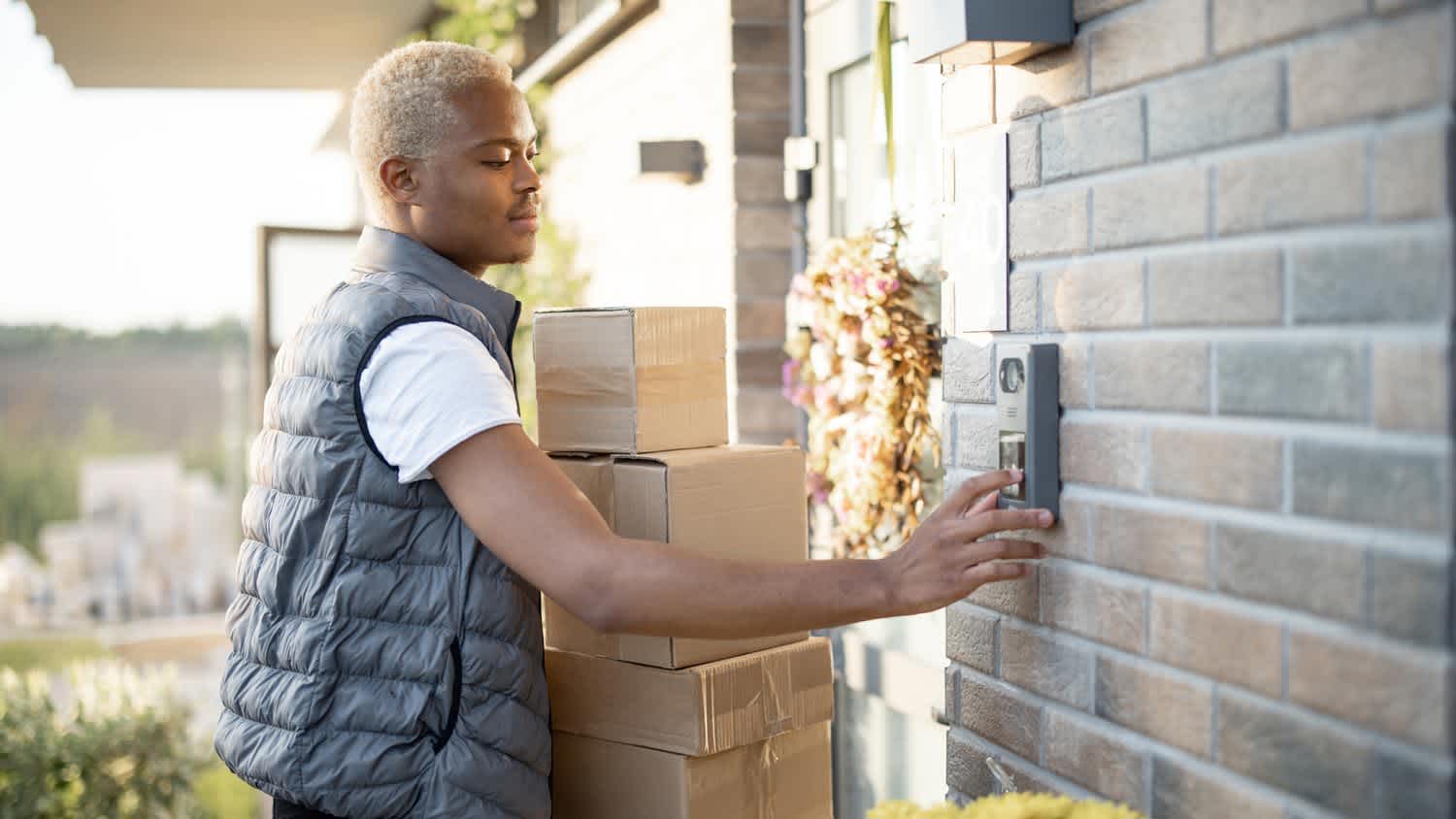
Ring a bell? From replacing a wired doorbell to setting up a smart home system, learn about typical doorbell installation costs, including materials and labor.
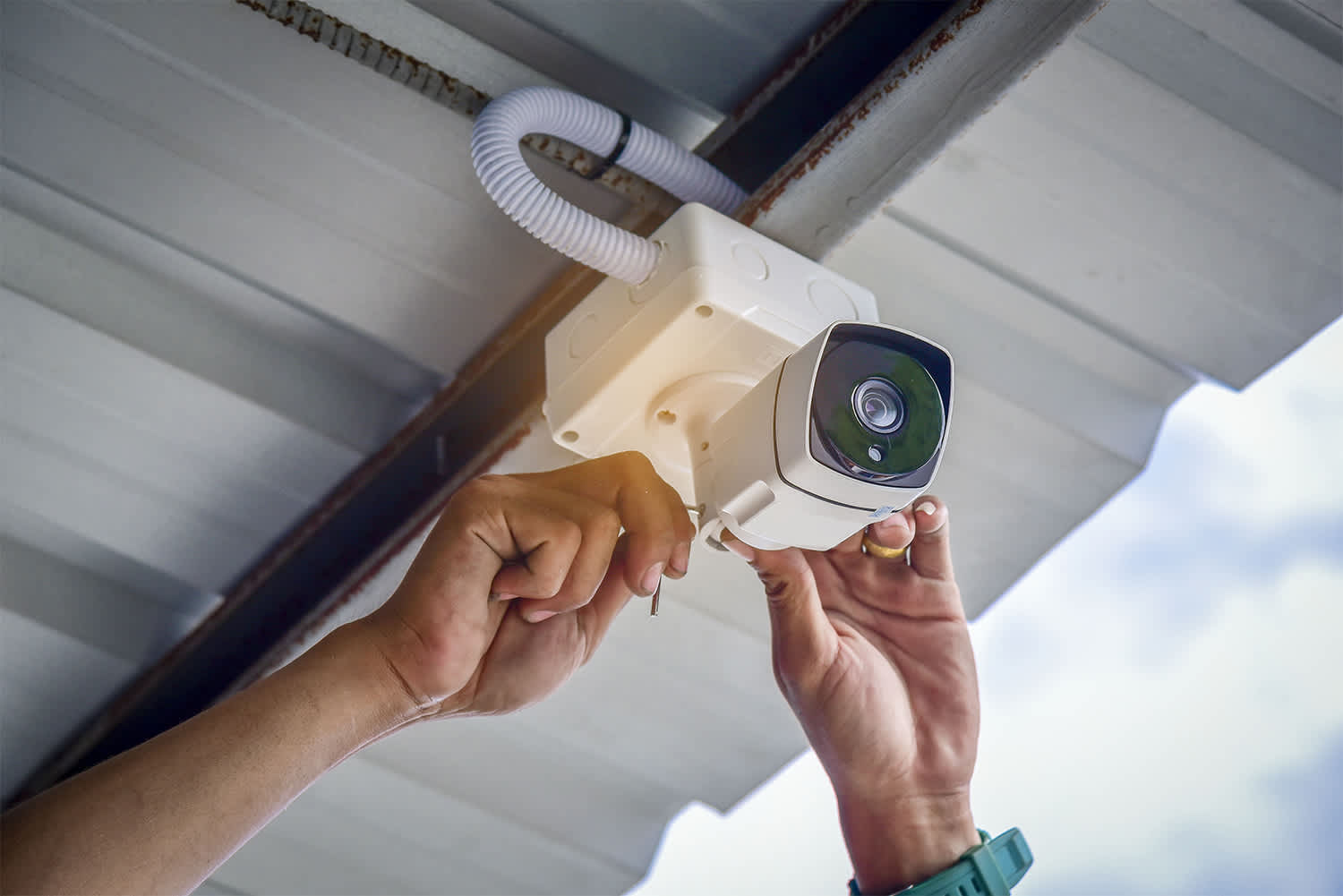
How much does it cost to install a doorbell camera? It depends on whether you plan to DIY or hire a pro. Learn about different models and their power sources, too.
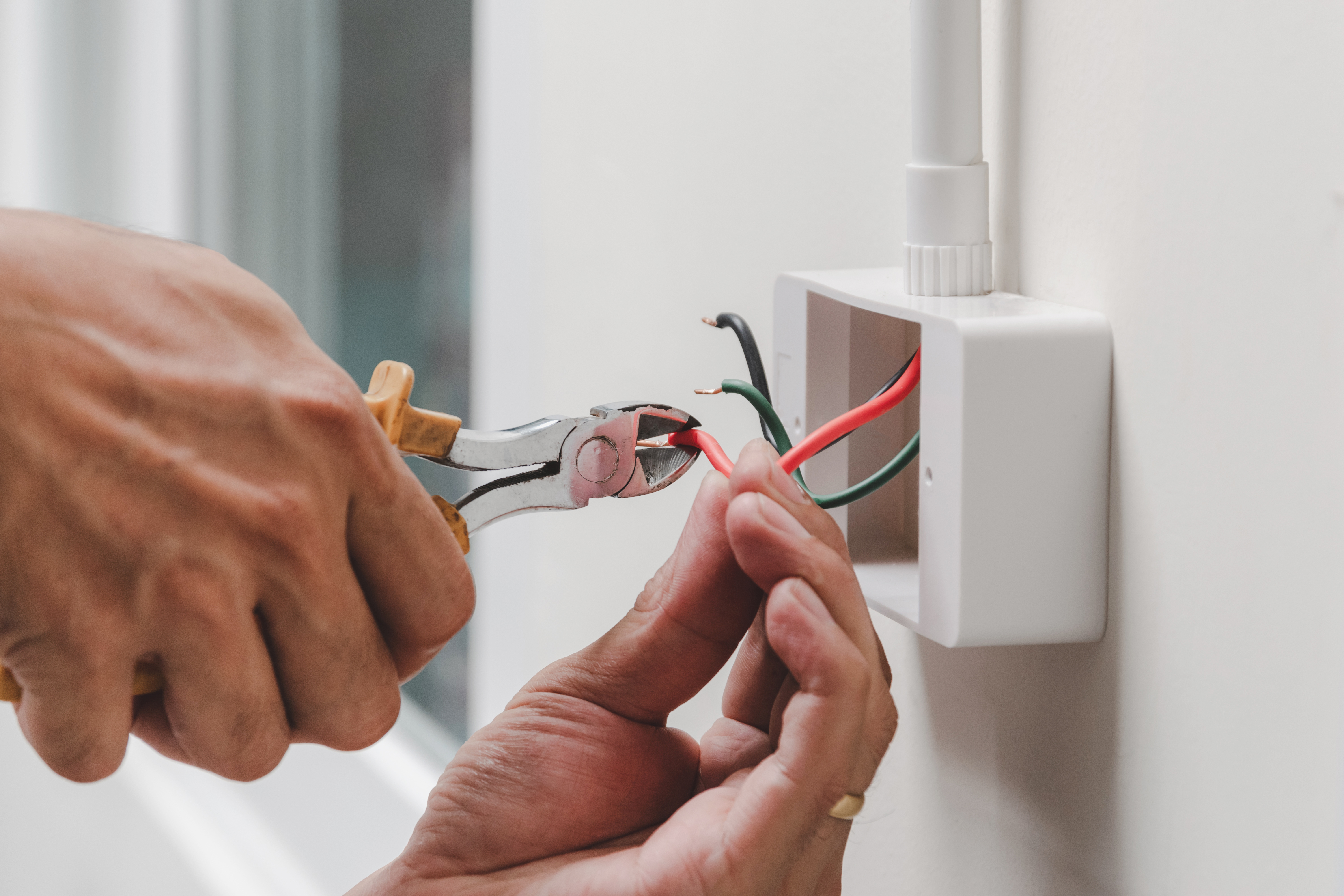
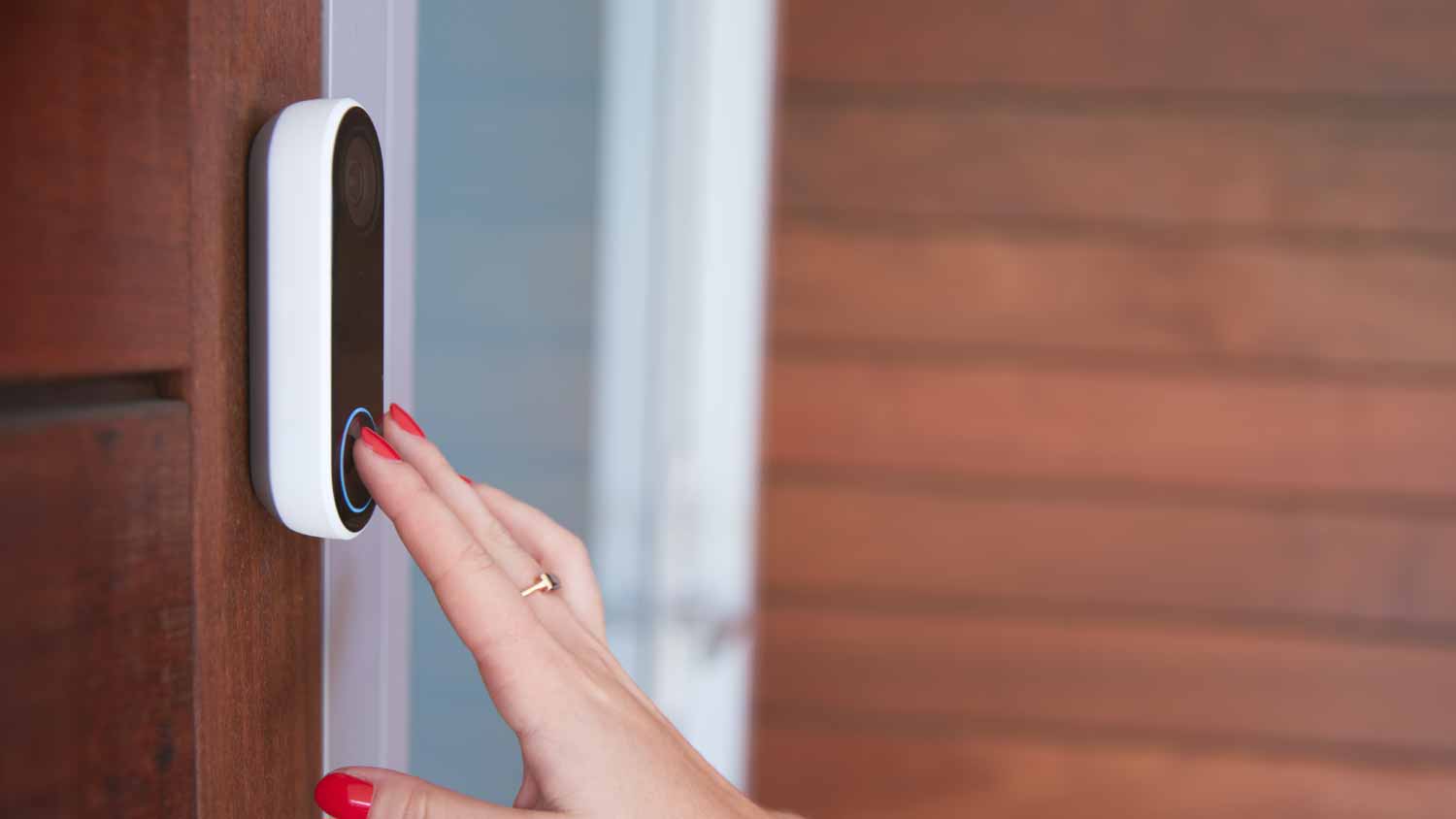
Doorbell wiring is a project you can DIY. This guide covers everything you need to know, from different types of doorbells to wiring, and how to remove an old doorbell.
Ready to upgrade your front door and learn how to wire a doorbell? You may be able to handle this relatively simple DIY installation without an electrician.