Doorbell Installation questions, answered by experts
Insulating your ducts offers several benefits, including:
Improved energy efficiency: Duct insulation prevents energy losses, reducing heating and cooling costs.
Cost savings: Lower energy bills make insulation a cost-effective investment.
Environmental benefits: Enhanced efficiency reduces your carbon footprint.
Consistent comfort: Insulated ducts help maintain a stable indoor temperature.
Better indoor air quality: Reduced allergens and pollutants improve air quality.
Each of the three types of wool insulation has particular disadvantages. While their R-value is higher, they all cost more than fiberglass versions. Installing mineral wool and sheep wool requires protective gear. Because of its vulnerability to insects, chemicals are used in its production. Hemp wool is more costly to install than other types because additional tools and labor are involved.
If you need to insulate behind finished walls, the best option will likely be to have an insulation professional install blown-in insulation. The installation requires small holes cut in your wall, after which the installer can blow loose-fill insulation into the void. After the installation, you’ll have minor drywall patching, which shouldn’t cost more than $100. Compared to ripping down the existing drywall, using a different type of insulation, and replacing and finishing the drywall, this should save you hundreds or even thousands, depending on the size of the room you’re insulating.
The most affordable way to insulate a garage involves choosing cost-effective materials like fiberglass, which comes in batts or rolls and is relatively easy to install. You can often install this type of insulation without needing to add drywall, which helps reduce costs. While a DIY approach might seem cheapest, hiring a professional installer can be highly cost-effective. Experts can accurately determine your garage's specific insulation needs and ensure the best results for your investment, often using batt insulation for the bulk of the project.
If you’re a savvy DIYer around the house, own the basic tools, and have enough time on your hands, you can definitely install fiberglass insulation yourself. Doing the work yourself will certainly keep overall insulation costs down. However, if you’re not confident in your handy skills around the house, call in a professional.
The Highmore, SD homeowners’ guide to doorbell installation services
From average costs to expert advice, get all the answers you need to get your job done.
Ring a bell? From replacing a wired doorbell to setting up a smart home system, learn about typical doorbell installation costs, including materials and labor.
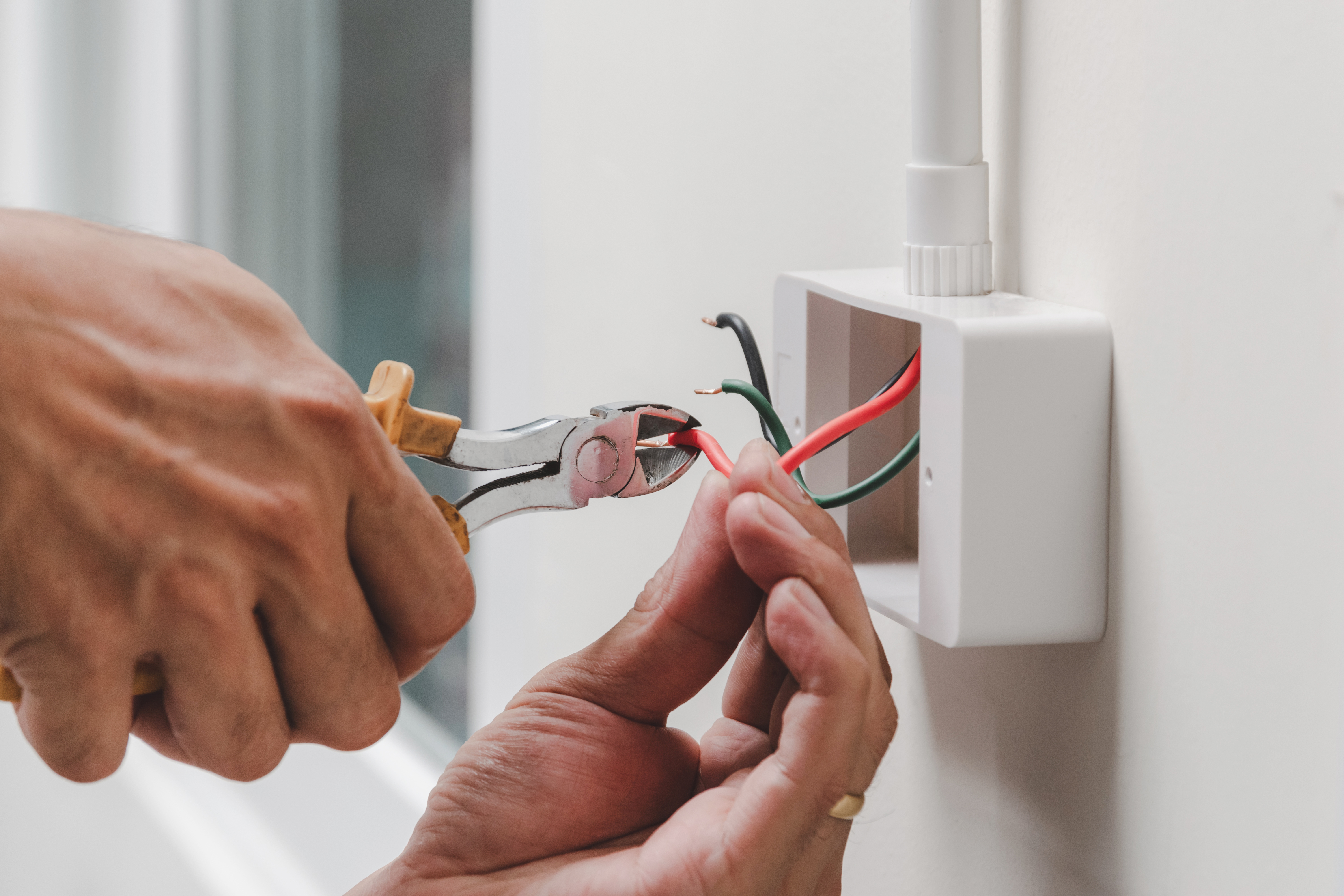
How much does it cost to install a doorbell camera? It depends on whether you plan to DIY or hire a pro. Learn about different models and their power sources, too.
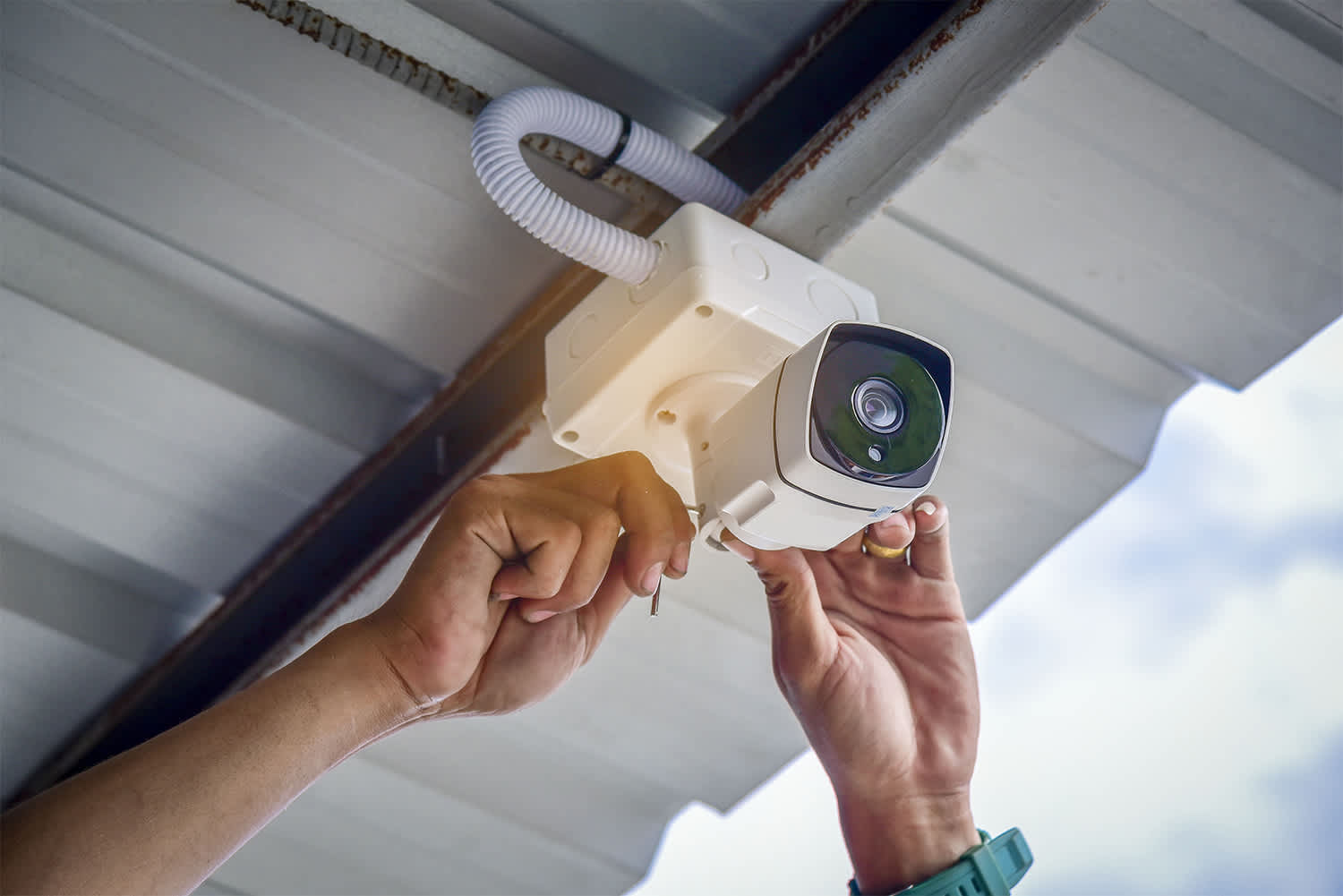
Doorbell wiring is a project you can DIY. This guide covers everything you need to know, from different types of doorbells to wiring, and how to remove an old doorbell.
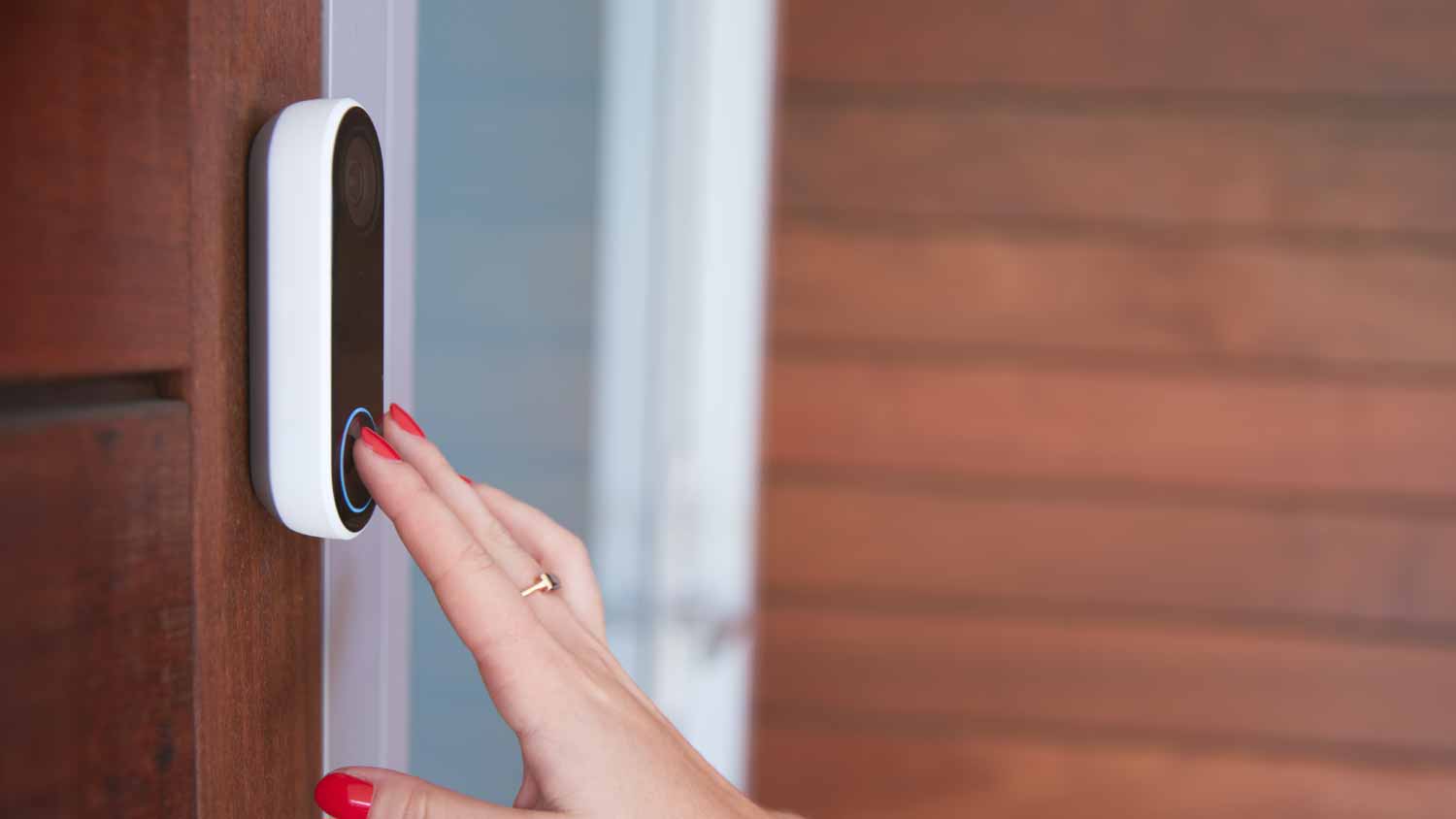
Ready to upgrade your front door and learn how to wire a doorbell? You may be able to handle this relatively simple DIY installation without an electrician.