Doorbell Installation questions, answered by experts
Radiant barriers and insulation serve different purposes, so one is not inherently better than the other. Radiant barriers reflect radiant heat, helping keep spaces cool, especially in hot climates, while insulation slows heat transfer through conduction. For optimal energy efficiency, it’s best to use both together.
Radiant barriers can enhance the performance of insulation by preventing heat gain in the summer and heat loss in the winter. The choice between them depends on specific climate conditions and the building’s design requirements.
Minimal maintenance is required, though regular inspections to ensure insulation hasn't shifted or deteriorated can improve performance over time.
It is usually possible to install insulation yourself, but it’s often better to hire an insulation professional. An experienced insulation pro can determine which type of insulation is best for your space and the R-value get the most value and comfort in your home. Certain types of insulation can cause skin, eye, and lung irritation, and a professional will have the equipment necessary to keep themselves safe and limit the effect on your indoor air quality after the installation. Certain types of insulation—like blown-in and loose-fill insulation—demand a professional for proper functionality and safe installation.
Yes, you can install insulation over ductwork, and doing so can save you money. Without insulation, the HVAC unit must work harder to force warm or cool air around the home, and once the air reaches the vent, it may not be the correct temperature. Insulating HVAC ducts makes your system work more efficiently, saving you money on heating and cooling bills.
You do not always need to remove old insulation before adding new. If the existing insulation is in good condition—not wet, physically damaged, moldy, or infested with pests—you can add new insulation directly on top of it for a compounding effect. You can also mix different types, such as adding blown-in insulation around existing fiberglass batts.
However, removal is recommended if the old insulation is compromised by water damage or pests. You should also remove it if you plan to install a different type of insulation, like switching from roll or batt insulation to spray foam. If the existing insulation is very old or damaged, you will likely get more benefit from removing it and starting fresh.
The Platte, SD homeowners’ guide to doorbell installation services
From average costs to expert advice, get all the answers you need to get your job done.
Ring a bell? From replacing a wired doorbell to setting up a smart home system, learn about typical doorbell installation costs, including materials and labor.
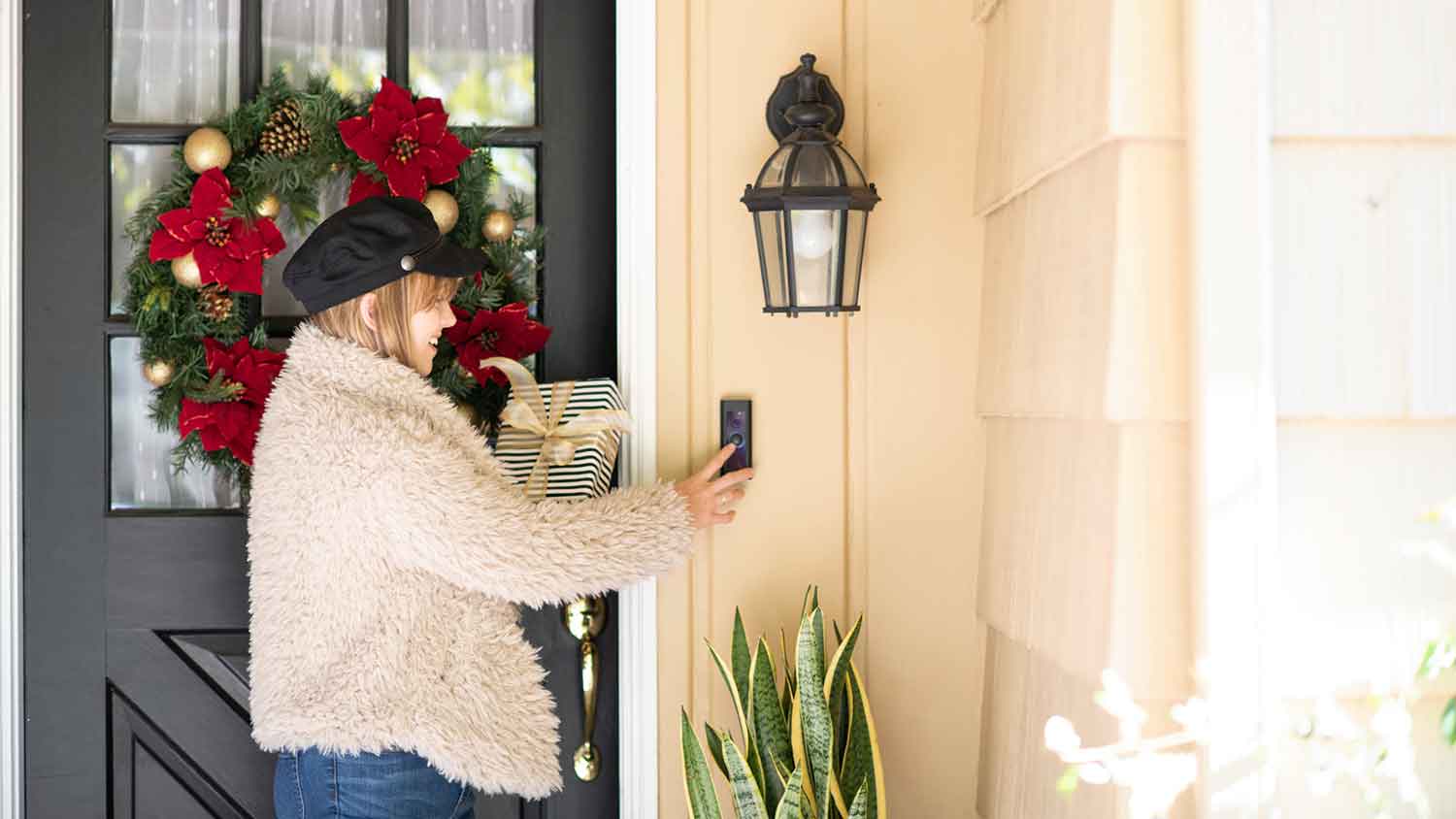
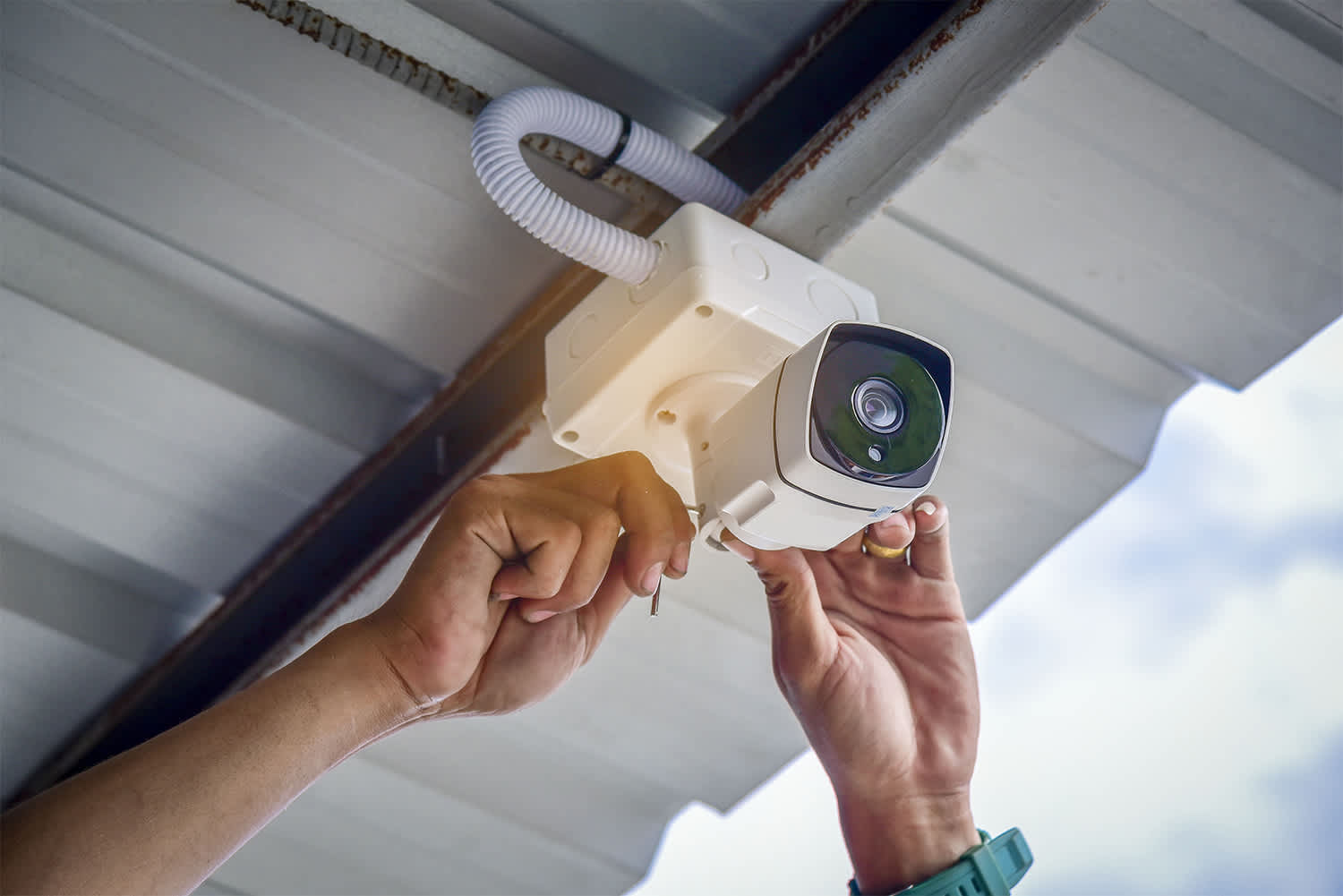
How much does it cost to install a doorbell camera? It depends on whether you plan to DIY or hire a pro. Learn about different models and their power sources, too.
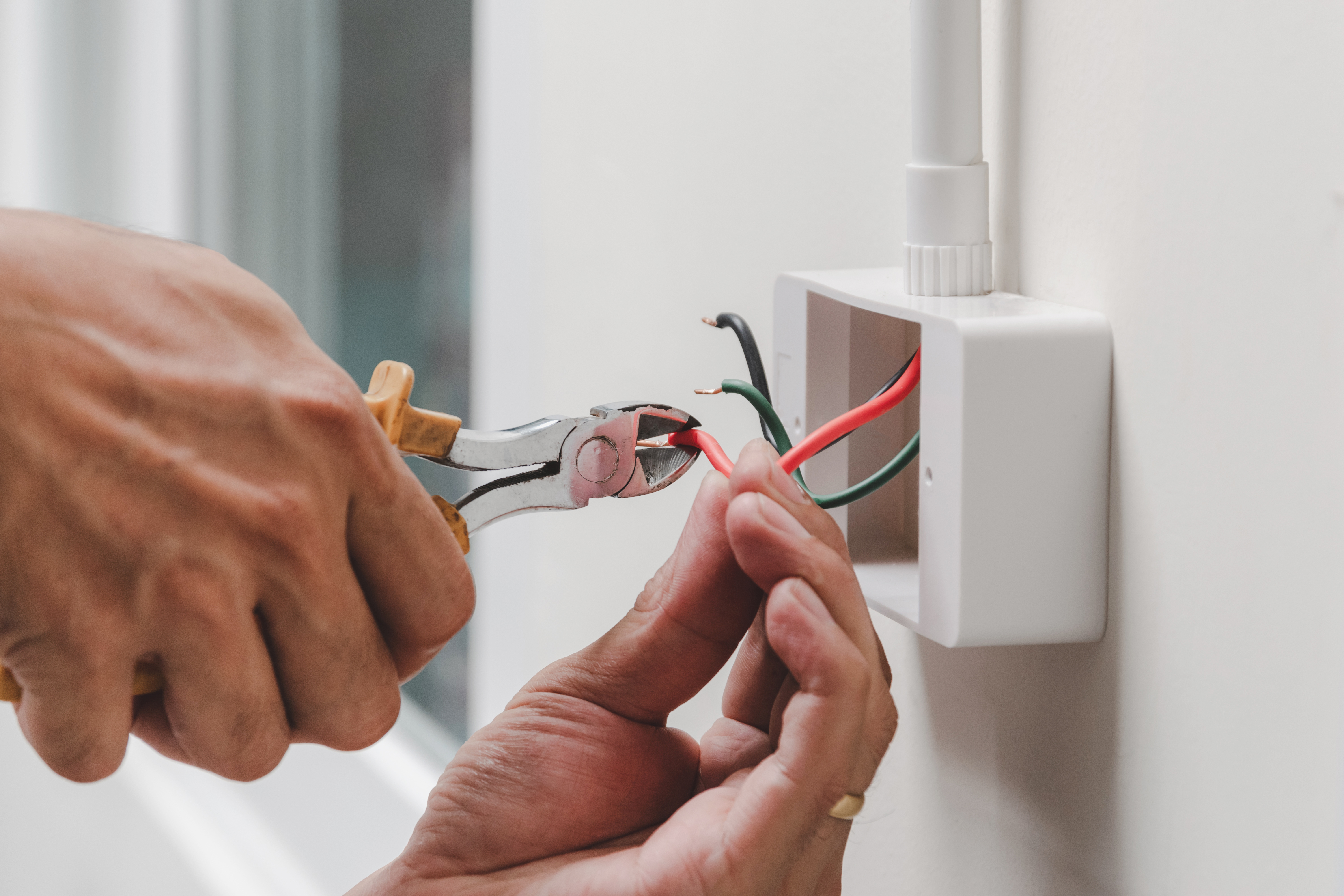
Doorbell wiring is a project you can DIY. This guide covers everything you need to know, from different types of doorbells to wiring, and how to remove an old doorbell.
Ready to upgrade your front door and learn how to wire a doorbell? You may be able to handle this relatively simple DIY installation without an electrician.