Doorbell Installation questions, answered by experts
It is possible to install a radiant barrier yourself. However, knowing how to install a radiant barrier and actually doing it are two totally different things. For example, it’s important that they be installed in a straight line but at an angle that creates a gap between the roof panels and the foil or spray. If this gap is too large or small, it won’t function as it should, and that may be hard to avoid if you’re only a novice. When in doubt, leave this job to a pro.
In addition to adding insulation to your attic, you may want to add a radiant barrier. A radiant barrier works by using reflective material, such as foil, on the attic floor. As heat penetrates the roof and enters the attic, the radiant barrier reflects the heat upward and back through the roof. If you receive a lot of direct sunlight on the roof, using both a radiant barrier and insulation in your attic can provide significant benefits.
Yes, insulating ductwork in a crawl space is a worthwhile investment, especially if you live in a colder climate or run your air conditioning for most of the year. Uninsulated ducts can lose up to 30% of their heating and cooling efficiency, which can significantly impact your electricity bill. The project is a relatively small investment and typically only takes a few hours. It's a particularly simple add-on if you are already hiring someone to insulate the entire crawl space. An added benefit is that insulated ducts put off less hot or cold air, making them less attractive to pests.
While insulation is required for all exterior walls in a house, it is not typically required for interior walls. Local and state building codes mandate that new construction homes have adequate insulation in exterior walls and ceilings to suit the local climate.
However, there are several benefits to adding insulation to interior walls. It is excellent for sound-dampening between rooms and can help with temperature control by maintaining a regulated temperature in specific rooms and lowering heat transfer between adjacent areas. Insulating interior walls can also contribute to the overall energy efficiency of your home.
If you’re using faced insulation with paper, face the paper toward the inside of the room during the installation process.
A good way to remember this is that the paper should face the “warm side” as it’s the vapor barrier, meaning it should face toward where the heat will be coming from.
The Miller, SD homeowners’ guide to doorbell installation services
From average costs to expert advice, get all the answers you need to get your job done.
Ring a bell? From replacing a wired doorbell to setting up a smart home system, learn about typical doorbell installation costs, including materials and labor.
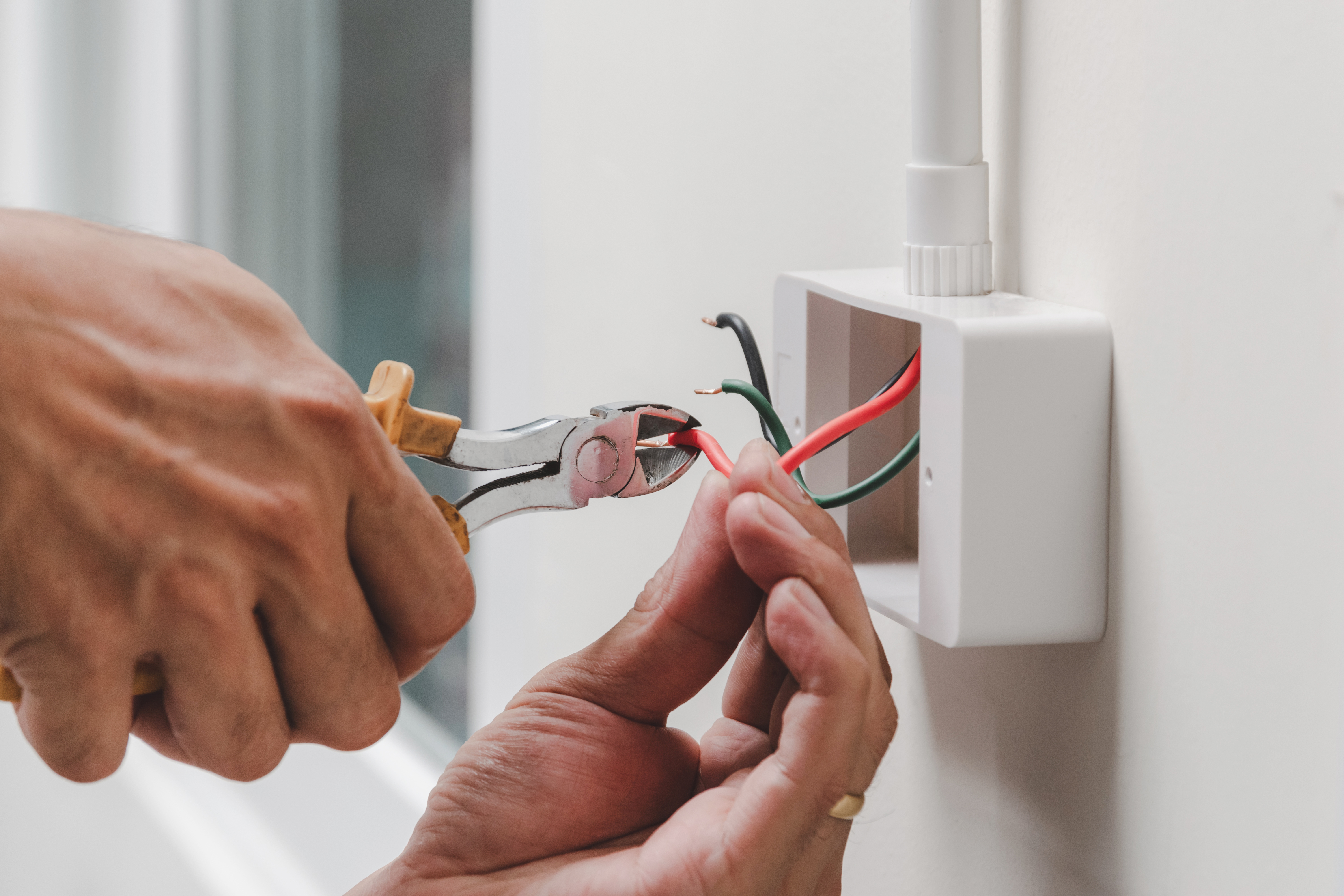
How much does it cost to install a doorbell camera? It depends on whether you plan to DIY or hire a pro. Learn about different models and their power sources, too.
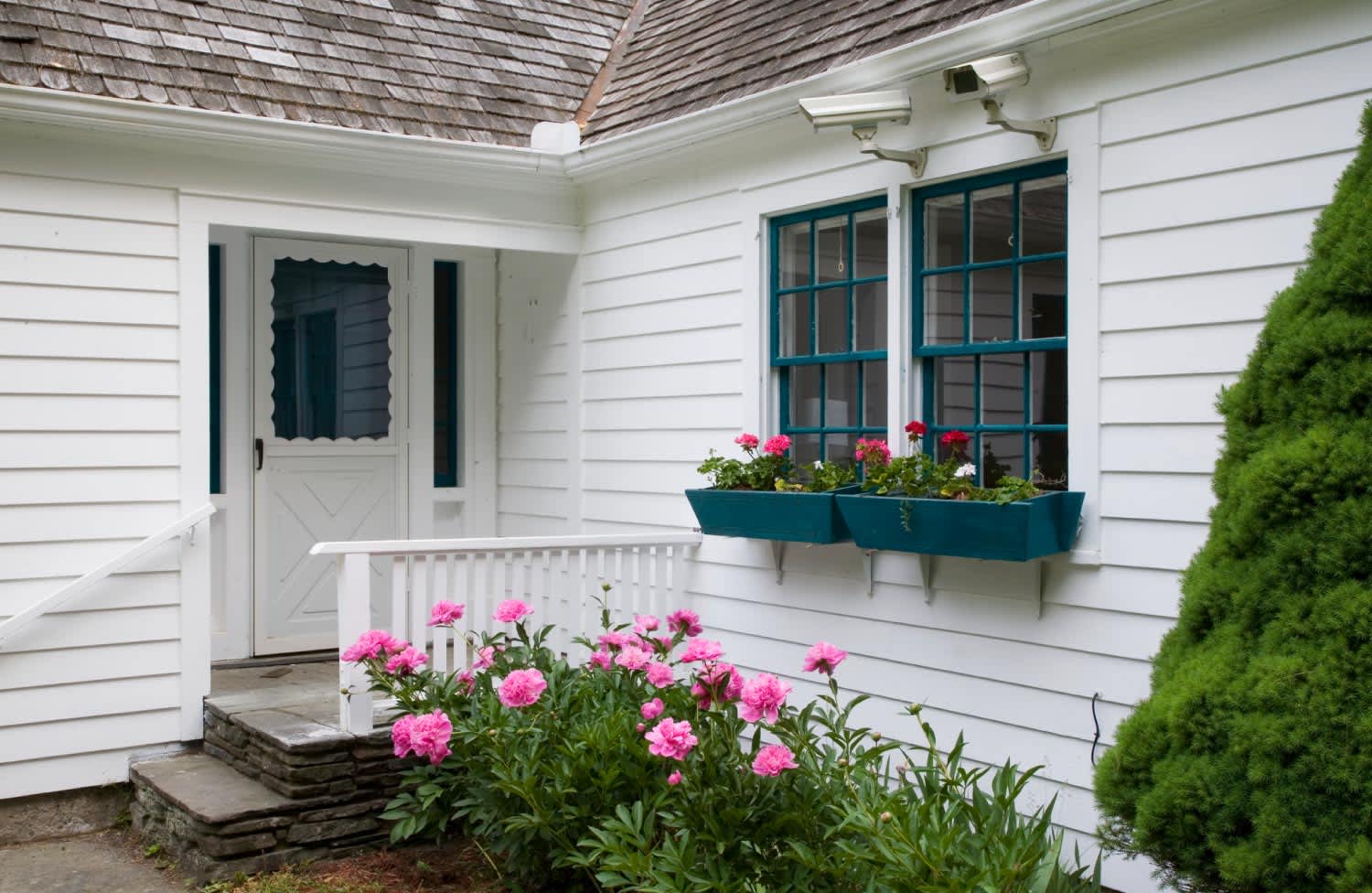
Doorbell wiring is a project you can DIY. This guide covers everything you need to know, from different types of doorbells to wiring, and how to remove an old doorbell.
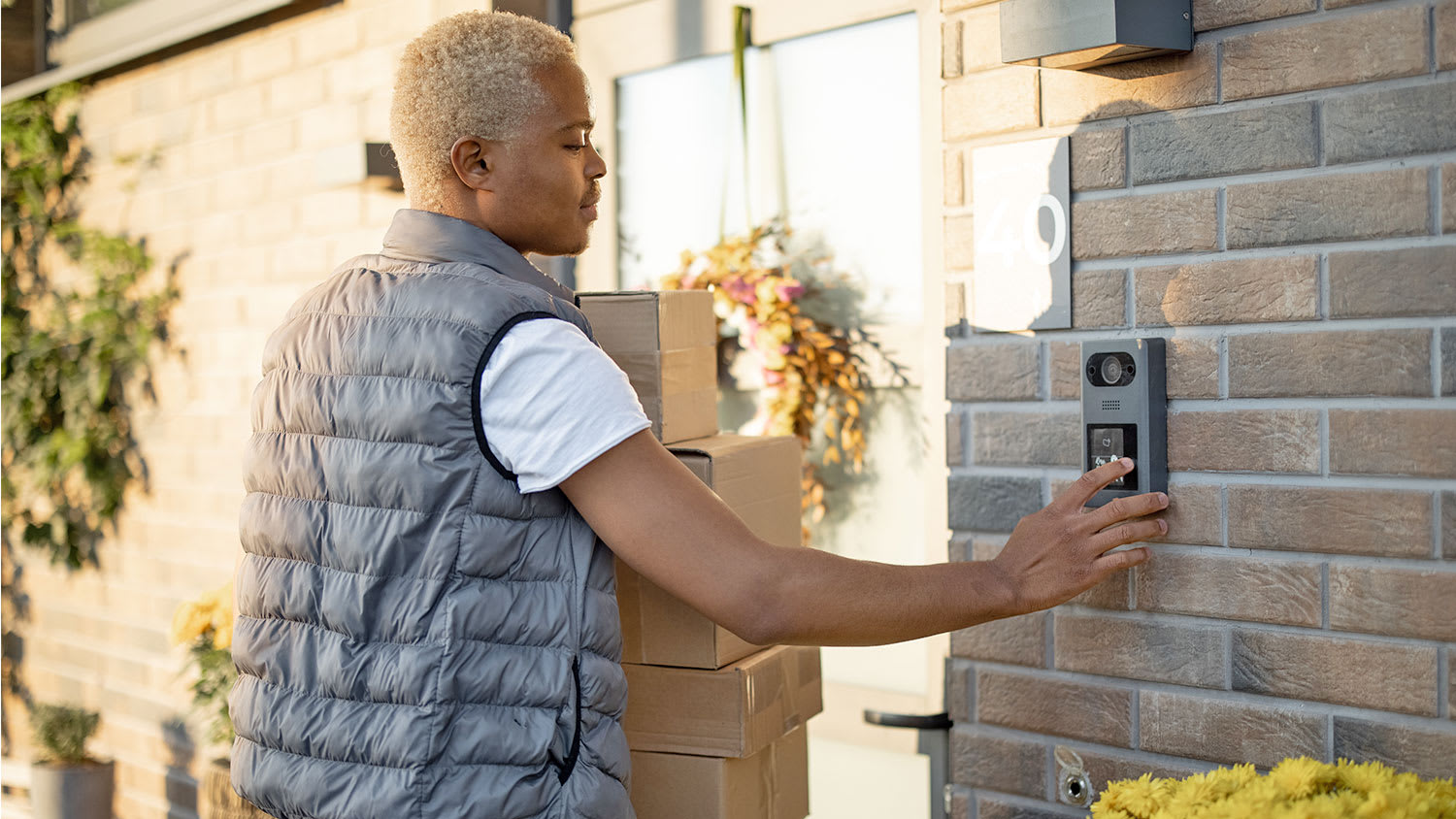
Ready to upgrade your front door and learn how to wire a doorbell? You may be able to handle this relatively simple DIY installation without an electrician.