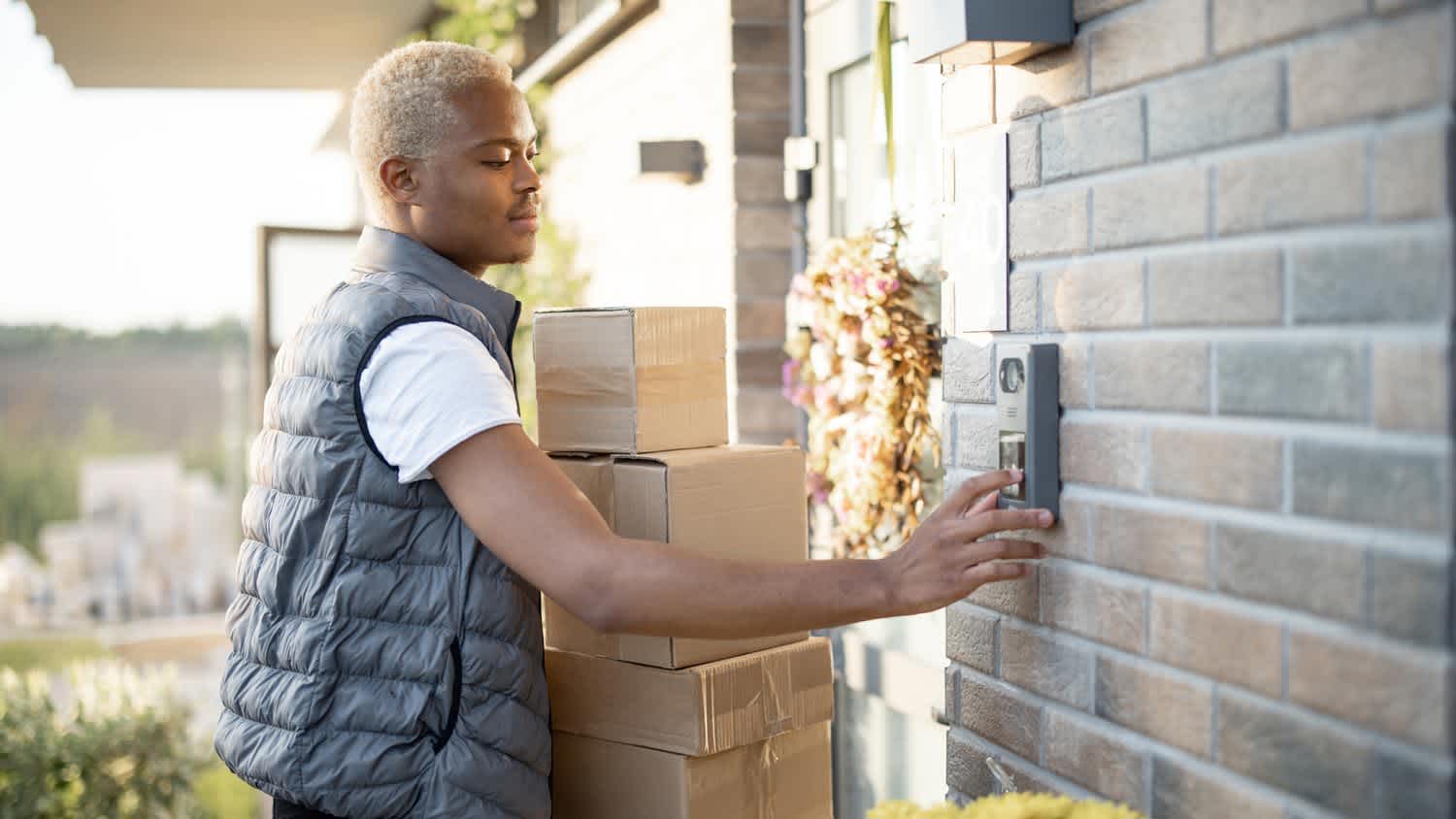
Doorbell Installation questions, answered by experts
It is usually possible to install insulation yourself, but it’s often better to hire an insulation professional. An experienced insulation pro can determine which type of insulation is best for your space and the R-value get the most value and comfort in your home. Certain types of insulation can cause skin, eye, and lung irritation, and a professional will have the equipment necessary to keep themselves safe and limit the effect on your indoor air quality after the installation. Certain types of insulation—like blown-in and loose-fill insulation—demand a professional for proper functionality and safe installation.
A plastic vapor barrier should completely cover your basement to prevent water from penetrating through the walls. This typically goes before installing insulation to prevent moisture from building up and becoming trapped on the inside of your insulation, where it can collect and lead to mold damage. Installing insulation after the vapor barrier allows for any moisture to exit the walls for better ventilation.
Insulating your ducts offers several benefits, including:
Improved energy efficiency: Duct insulation prevents energy losses, reducing heating and cooling costs.
Cost savings: Lower energy bills make insulation a cost-effective investment.
Environmental benefits: Enhanced efficiency reduces your carbon footprint.
Consistent comfort: Insulated ducts help maintain a stable indoor temperature.
Better indoor air quality: Reduced allergens and pollutants improve air quality.
The cost to install a radiant barrier ranges from $700 to $2,800, depending on the size of your roof and the type you choose. Most people pay an average of $1,700 to install a radiant barrier. Foil options, both single- and double-sided, cost between $0.10 and $0.90 per square foot, while spray-on options start at $0.60 and go all the way up to $1 per square foot—which can add up quickly.
Ductwork should be wrapped in insulation in certain locations. This includes unconditioned interior parts of the home, such as attics, crawl spaces, basement ceilings, and between floors. Duct joints should also be insulated since they're more likely to leak air than other parts of your system. Building codes in some areas also require ductwork to be insulated.
The White River, SD homeowners’ guide to doorbell installation services
From average costs to expert advice, get all the answers you need to get your job done.
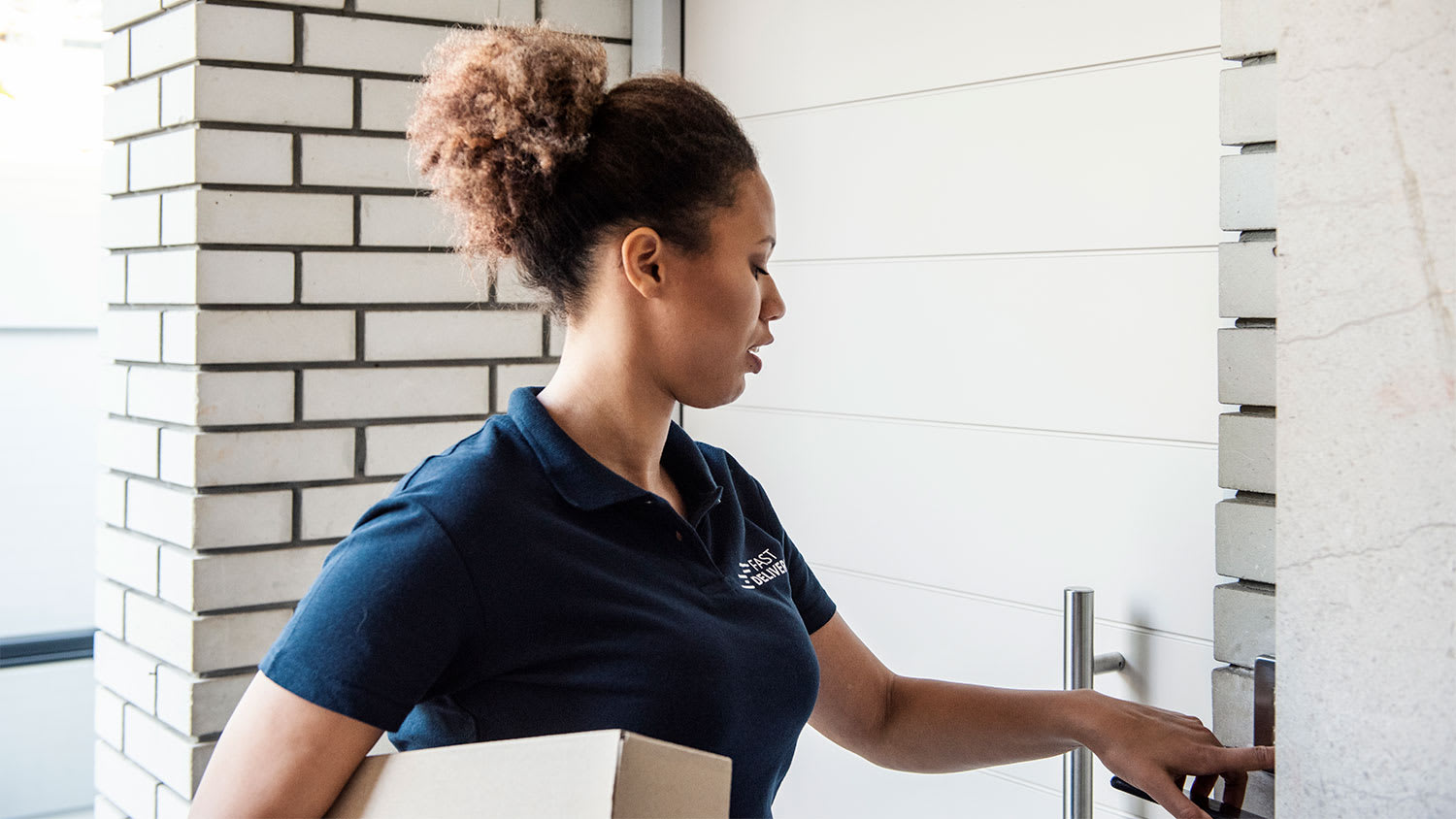
Ring a bell? From replacing a wired doorbell to setting up a smart home system, learn about typical doorbell installation costs, including materials and labor.
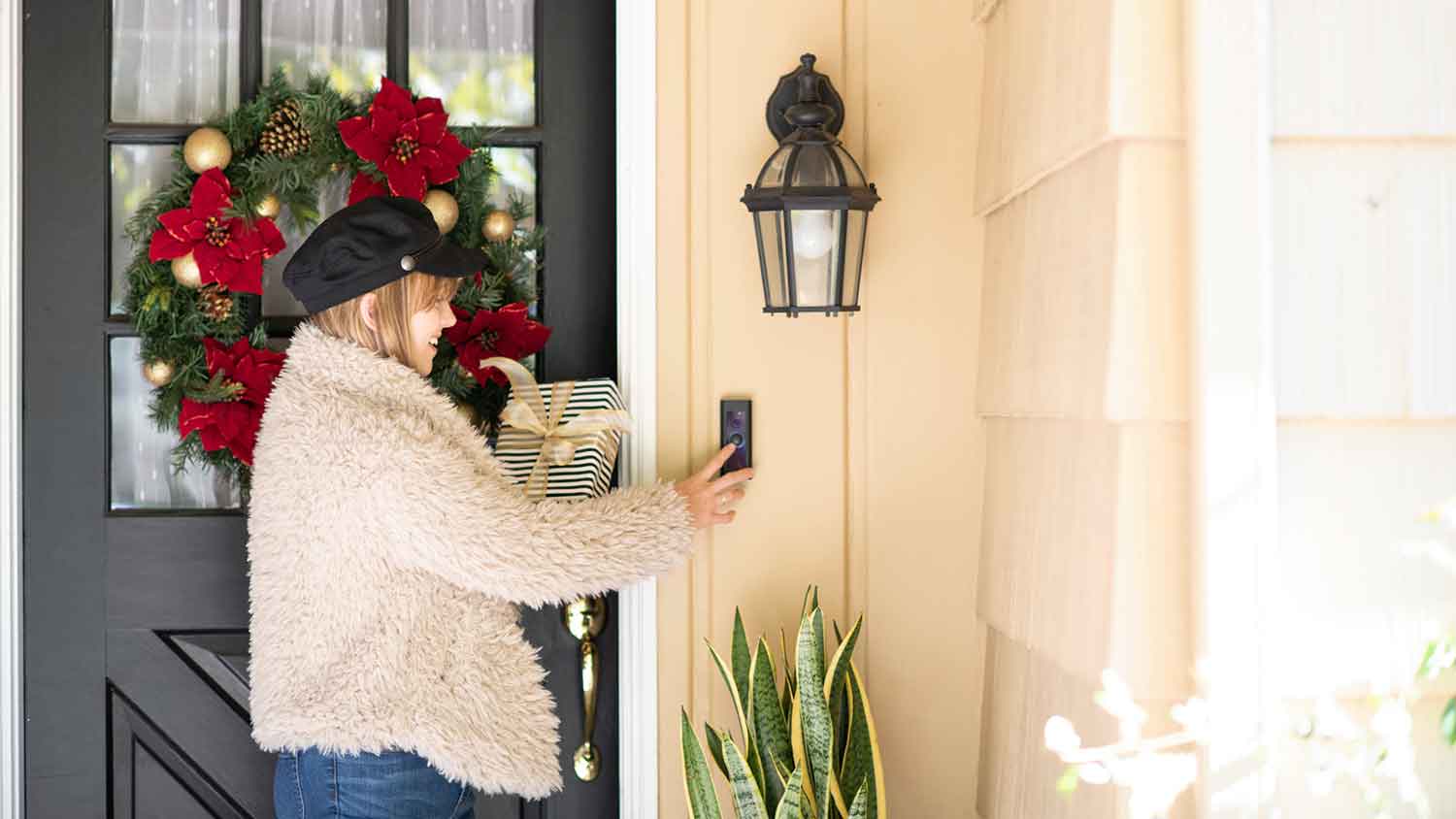
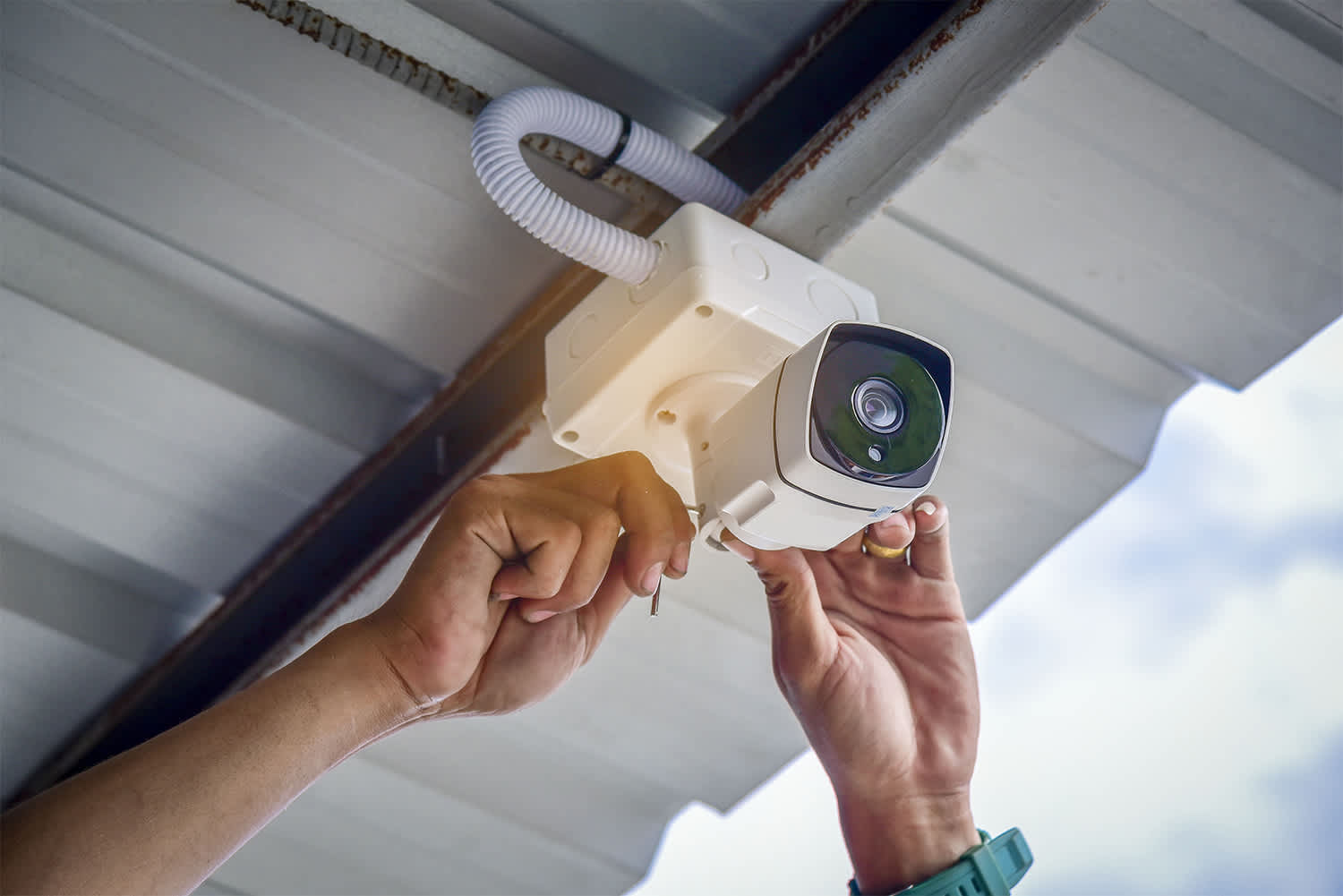
How much does it cost to install a doorbell camera? It depends on whether you plan to DIY or hire a pro. Learn about different models and their power sources, too.
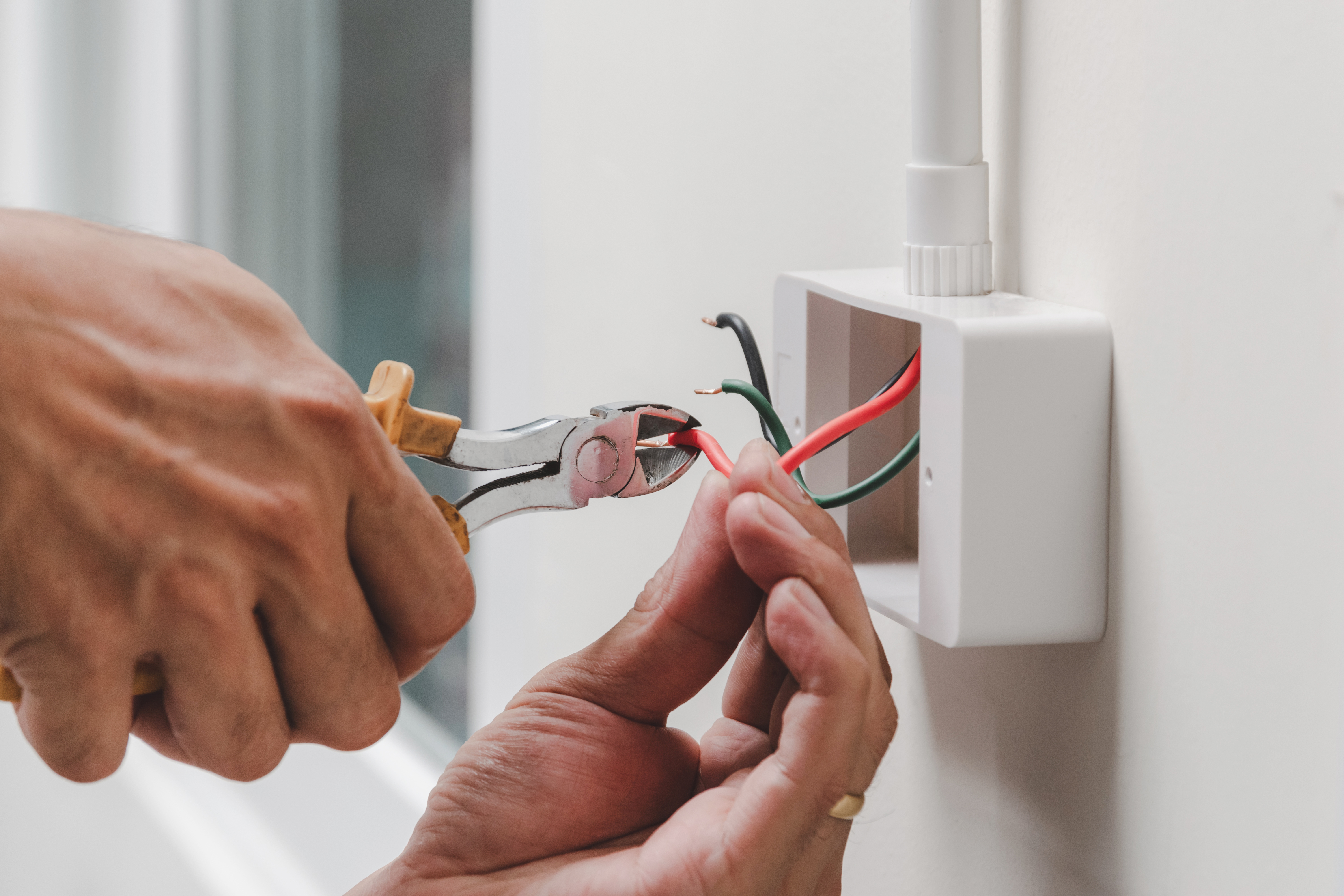
Doorbell wiring is a project you can DIY. This guide covers everything you need to know, from different types of doorbells to wiring, and how to remove an old doorbell.
Ready to upgrade your front door and learn how to wire a doorbell? You may be able to handle this relatively simple DIY installation without an electrician.