"Install was easy. Up front cost was pretty low with Angie's List coupon. Monthly price is a little high compared to competing companies. Response time with alarms is excellent. I was advised to use glass break alarms within 10 ft of my first floor windows, which we installed correctly. I asked prior to installation if having one in the kitchen would cause false alarms due to dishes clanging, etc. I was told the glass break alarms are configured to a precise frequency that alarms with breaking glass. So, not a "no", but not really an answer. Well, every time we cook dinner, wash dishes or empty the dish washer, the kitchen glass break alarm gives a warning which would sound the alarm if it was set. This has caused us a number of false alarms while we've been away due to shifting bowls or plates in our drying rack. For the first several we've had to pay our police department $120 to check the house, and I was only notified after the first alarm that there was a cheaper option for a security company to drive by to check for a break in."
Replacing a window frame will improve your home’s energy efficiency if the old frame is cracked or damaged in a way that allows unconditioned air from the outside into your living space or if you upgrade to a more energy-efficient window frame material. Aluminum is the least energy-efficient window frame material, followed by vinyl and wood. Fiberglass and composite frames are the most energy-efficient.
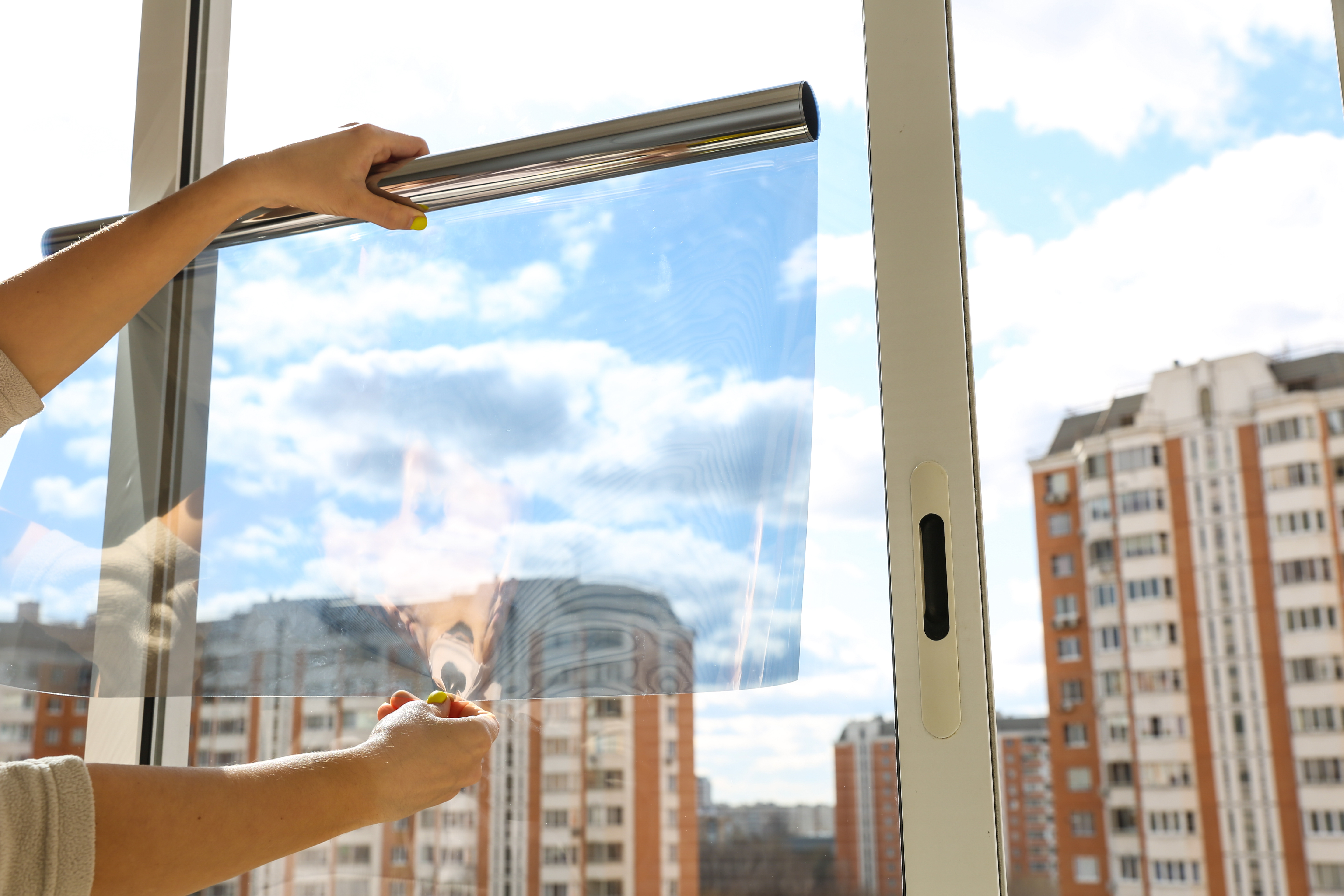
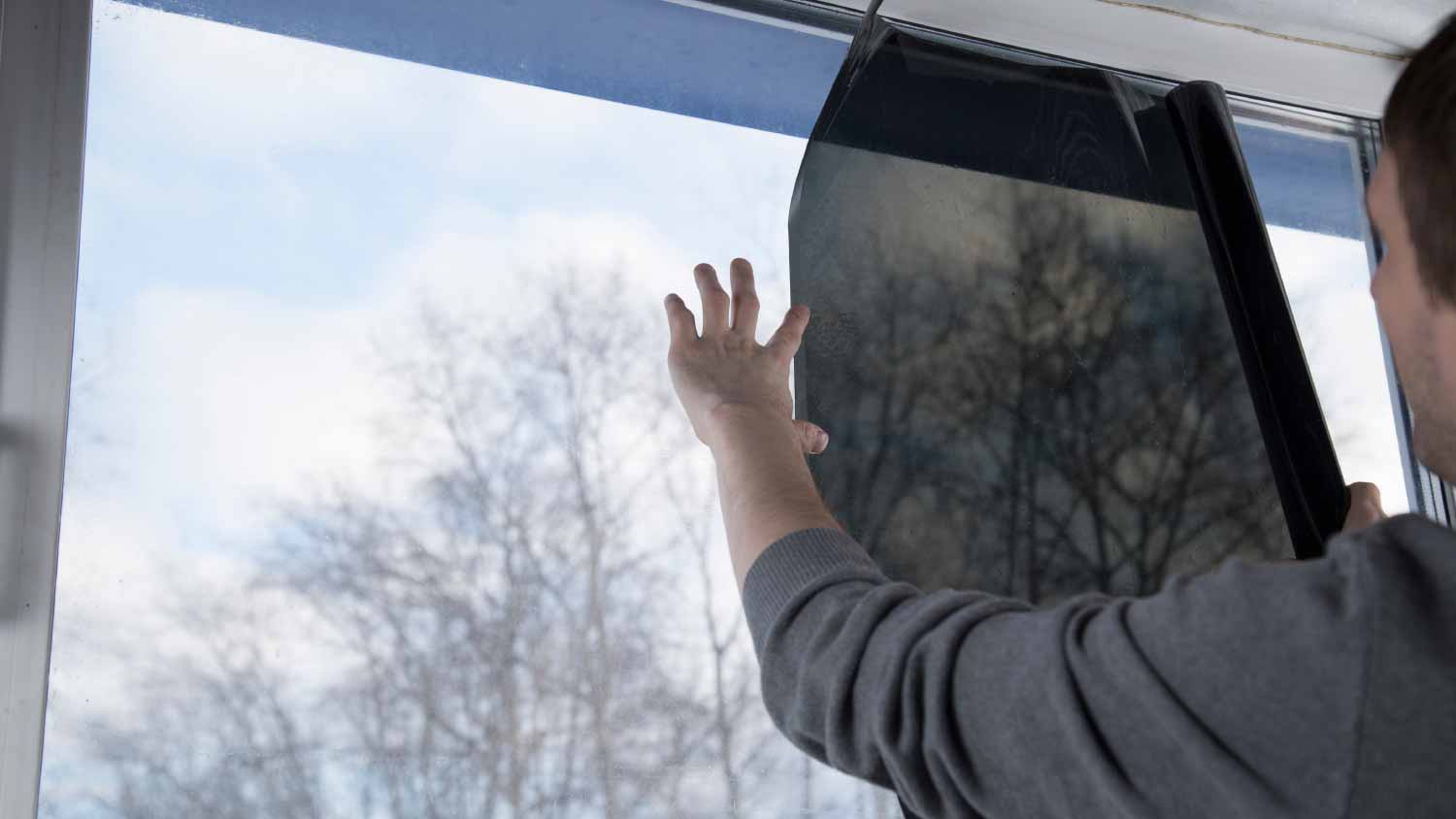
Window security film has a few key benefits that make it an enticing home improvement:
It’s much more affordable than shatterproof windows or hurricane windows.
It improves your home’s energy efficiency and can save money on heating and cooling bills.
It makes it harder to break into your home.
It helps prevent dangerous shattered glass after an impact.
You can tint it to provide additional protection from the sunlight.
The most popular tint percentage for home windows is 35%. Generally, most homeowners choose a visible light transmission (VLT) between 50% and 35%, where lower numbers mean less sunlight enters the home. A 35% tint blocks over half the incoming light while still allowing plenty of natural light, which can improve energy efficiency and comfort. If privacy is a primary concern, you can opt for a tint of 50% or lower to make it more difficult for people to see inside. However, keep in mind that very dark, thick tints may offer fewer energy-efficiency benefits.
Unlike cars, there are no laws regulating window tint percentages on homes, so you can choose what you think is best. It is often a good idea to hire a professional, as they can show you samples of how different tint levels will look in your specific property, helping you make the right choice.
Whether window film is better depends on individual preferences and specific needs. In some instances, window film can be much less costly to install. Aesthetics is also a deciding factor. Window film may have a more significant appeal for design minimalists looking for a clean and streamlined look without the heaviness that comes with curtains. On the flip side, they can also appeal to design maximalists looking for creative expression in the form of color, patterns, and texture. Choosing between window film and traditional window coverings depends on factors like desired functionality, aesthetics, and personal preferences.
If your window film doesn’t come with an installation kit and its own application solution, you can make your own—but don’t use soap! Instead, use 1 teaspoon of baby shampoo mixed with a gallon of bottled water. Make sure the bucket in which you mix this solution is completely clean.
The Marty, SD homeowners’ guide to window tinting services
From average costs to expert advice, get all the answers you need to get your job done.
Tinting your home’s windows can add privacy, increase energy efficiency, and block damaging UV rays. Find out who tints home windows so you can hire the best.