"Very quick, very professional, the entire crew was extremely professional and kind. Would definitely recommend to anyone looking for any type of painting or more!"
We take great pride in our experience, expertise, quality and customer service that we provide to meet the consumers needs. It is our mission to provide excellent workmanship and complete customer satisfaction from start to completion of a project. In order to understand the needs and expectations of our customers, we take great care to work and communicate with every customer in a professional manner. Our reputation is based on service, safety and quality, regardless of how large or small the job.
Blue Shark Pools and Landscape LLC proudly serves its customers with integrity, professionalism and attention to the details that matter most to you. We specialize in pool construction and landscaping and are your full turnkey company for both.\nGive us a call today!
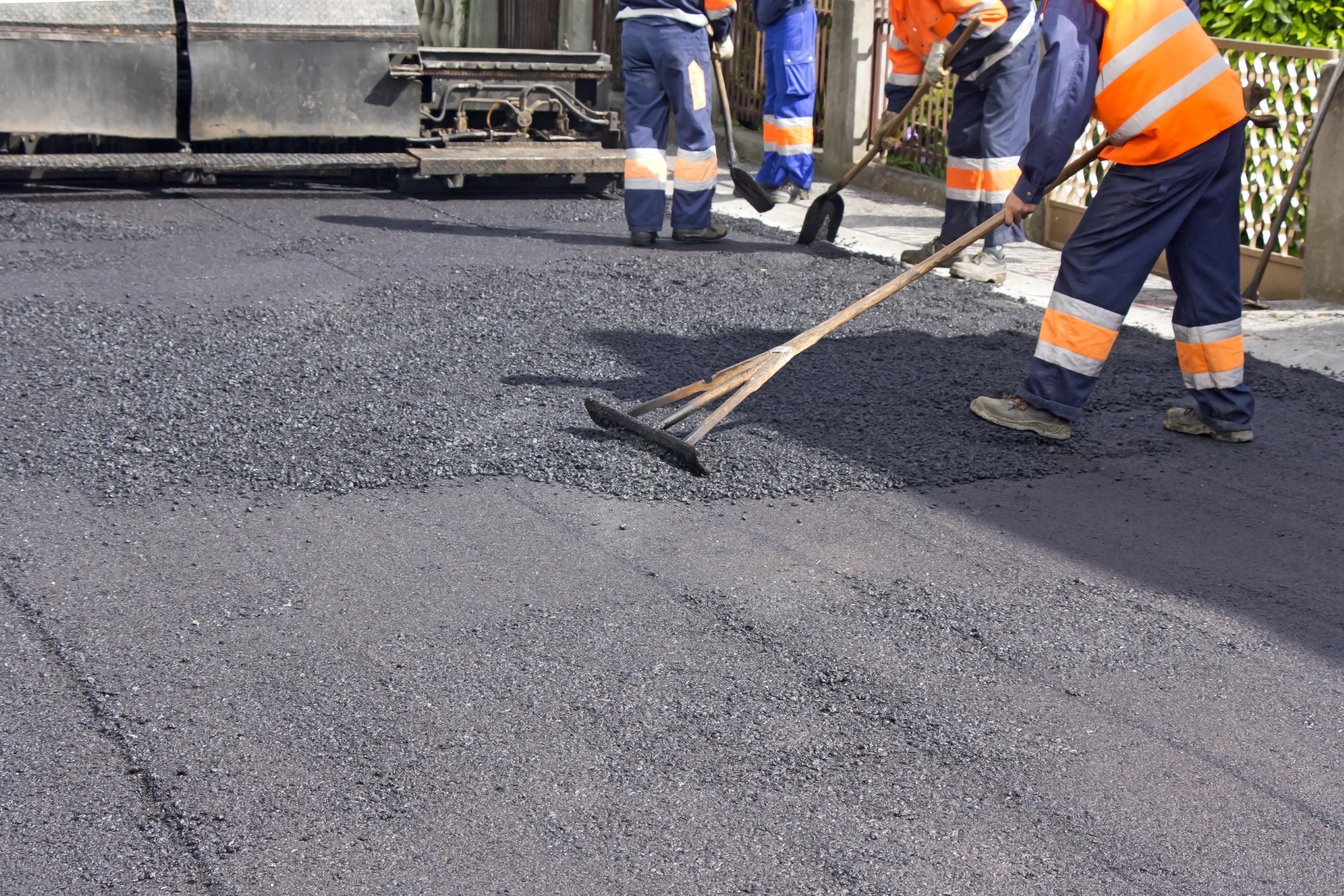
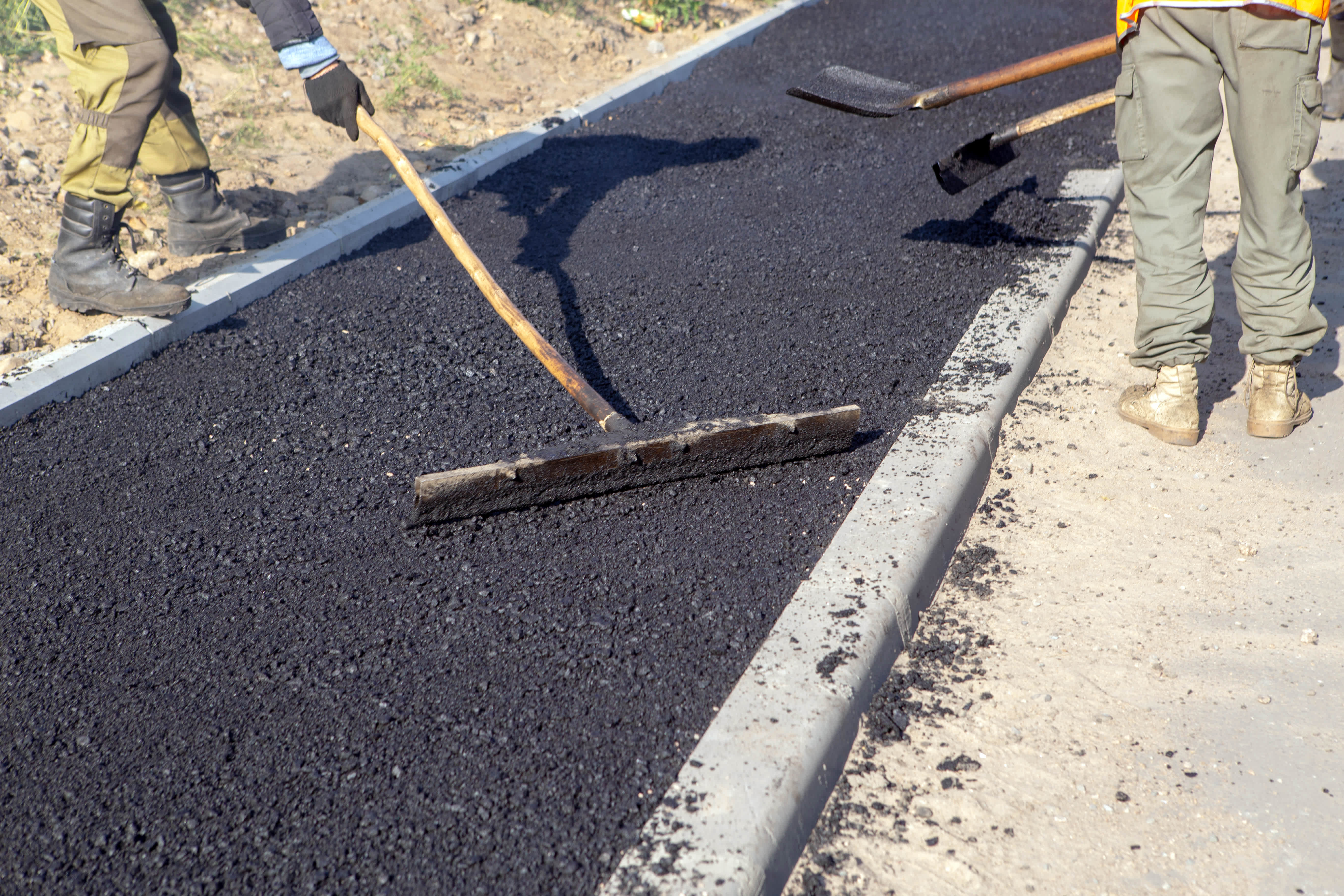
Recycled asphalt is a durable choice for a driveway, but doesn’t have the same appearance and low maintenance as standard asphalt. For long driveways in rural communities, recycled asphalt can make a great choice. Recycled asphalt is 20% to 30% percent less expensive than standard asphalt and is better for the environment.
The answer to whether or not you need to get a permit before you start your driveway can vary widely based on local ordinances and the scope of your driveway ideas. In most urban and suburban areas, a permit is needed before building a new driveway to ensure that a homeowner is using safe materials and proper drainage practices while designing and constructing a new driveway. In some rural areas, a homeowner may not be required to apply for a permit. When building a new driveway on your own, always check with your local building department to see if you need to request a permit. When hiring a driveway contractor, verify that the right permits are being used before driveway construction begins.
Asphalt, which is stone mixed with tar, is the most common material for outdoor basketball courts because it’s so sturdy and versatile. However, you don't have to use it: another option is polymeric rubber, which has shock pads that can prevent injury. This option is a little more expensive, ranging between $16 and $25 per square foot.
Materials used for indoor basketball courts, such as hardwoods, aren’t really an option outdoors.
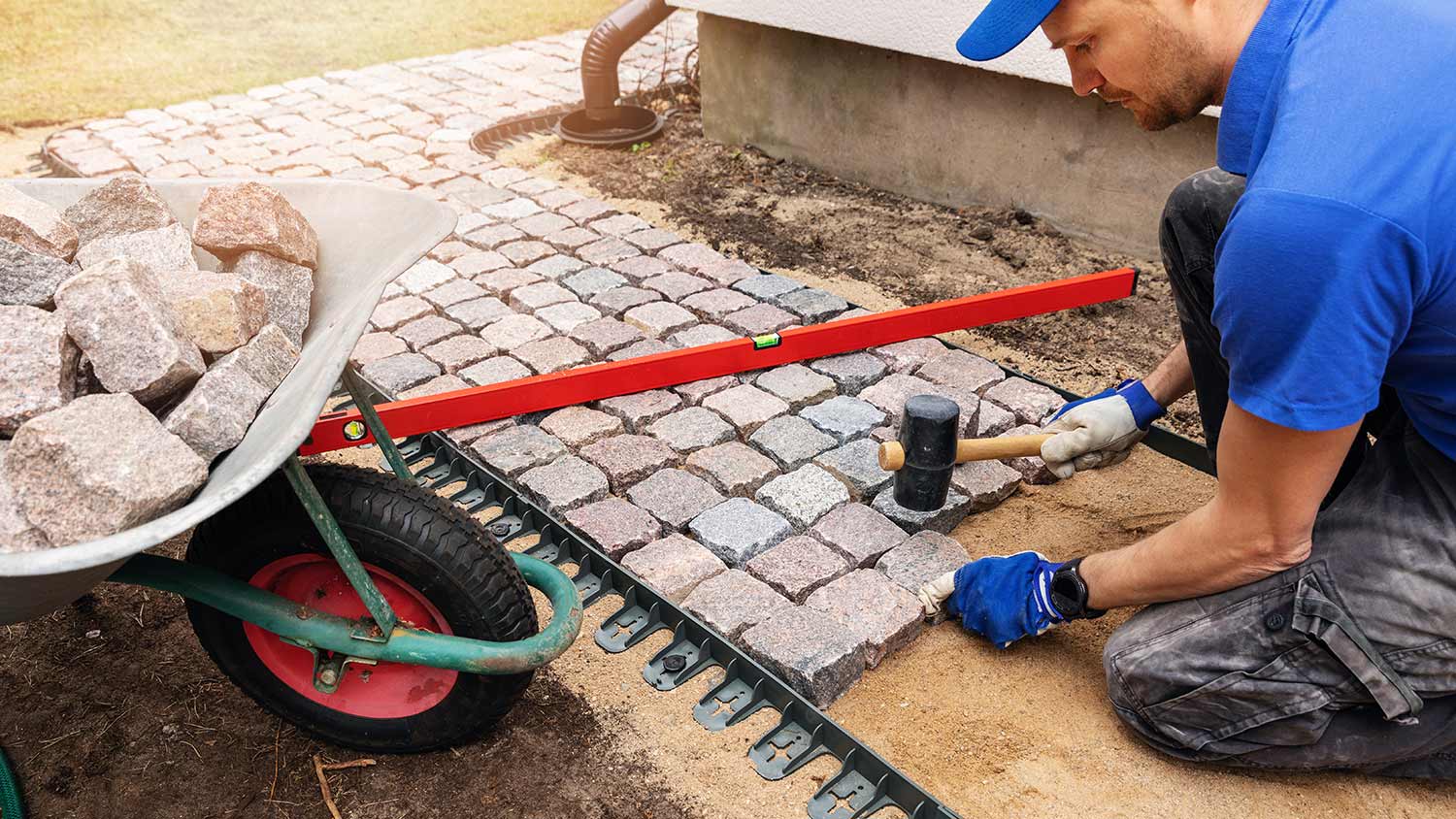
The best way to stop your pavers from sinking is to ensure you've properly compacted the base layers. Use your paver compactor and work over the base layer several times to create the hardest possible base. If the soil and sand of your base are compact, you’ll experience less shifting and sinking.
Yes, it is possible to pave over an existing driveway, but whether it's the right choice depends on several factors. If the underlying structure of your current driveway is still strong, concrete or asphalt resurfacing can be a cost-effective way to prolong its life. However, if your driveway has significant issues like potholes, deep cracks, or other inconsistencies, it is best to remove the old driveway and start from scratch. Key factors to consider include the current driveway's condition, the compatibility of the new material, the added thickness and height, and the necessary surface preparation.
The Armour, SD homeowners’ guide to paving services
From average costs to expert advice, get all the answers you need to get your job done.
The cost of a tar and chip driveway falls between gravel and asphalt. Is this unique process the happy medium you've been looking for? Let's take a look.
Get proactive with marketing for your paving contractor business. Use these paving marketing ideas (ranked by budget and experience level) to grow your business, get more leads, and earn more money.