






Top-rated electricians.

Get matched with top electricians in Hill City, SD

Enter your zip and get matched with up to 5 pros

Need a pro for your electrical service project in Hill City, SD?

Select your specific project to find the pro for you.

Find Electricians in Hill City

Avatar for Canyon Electric LLC
Canyon Electric LLC
5.0(
2
)
Electrical Switches, Outlets & Fixtures - Install or RepairElectrical Wiring or Panel UpgradeElectrical for Home Addition or Remodel - Install+14 more

Serving Hill City, SD and surrounding areas

Approved

In business since 2025

Free estimates

Emergency services offered

"Kyle, the owner of Canyon Electric, was recommended to us as a trustworthy electrician in the Black Hills area. We had purchased a vacation home in Lead and were having a hot tub and sauna installed. We needed to add 2 240 amp breakers, a new breaker box, and hard wiring both units. We are from across the state and had a deadline for the hot tub installation, which required all wiring done very specifically and in place. Kyle was out at our home wiring and prepping before we even arrived. He was in contact with our hot tub retailer and made sure everything was done perfectly. The wiring on both units was done efficiently. He even did work on one of our bathroom exhaust fans and had it going in quick order. Kyle was a very pleasant person to deal with and we were very impressed with the high standards of his work. We would highly recommend Canyon Electric for any and all of your electrical needs."
Duplex cabin
Duplex cabin
Duplex cabin
11 neighbors recently requested a quote
Showing 1-10 of 26
Electrical questions, answered by experts

They’ll use more electricity than the average upright vacuum, but not remarkably more. Most power units plug into a standard 120-volt outlet and don’t have significant power demands. You shouldn’t notice an increase in electricity bills. If you have any specific questions about energy costs, ask your installer as you examine purchase decisions. Larger power units will need more electricity for their suction levels.

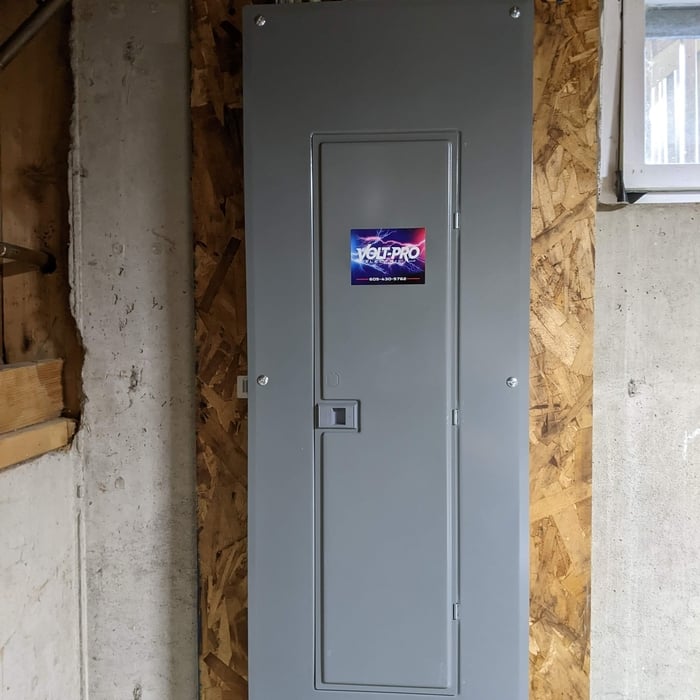
Upgrading your electrical panel is often worth the cost for safety, improved electrical performance, and potential long-term savings. A primary benefit is preventing electrical fires and other hazards from a malfunctioning panel, ensuring your household's safety. An upgraded panel also provides a steady flow of electricity, eliminating issues like flickering lights and frequently tripped breakers. It allows you to connect additional appliances without overloading the system, which is especially beneficial for older homes with 100-amp service that are prone to overheating. If you run large appliances like central air conditioning, heating systems, hot tubs, or saunas, you might consider upgrading to a 300- or 400-amp service to meet the higher electrical demand. Furthermore, an upgrade can lead to long-term savings on energy bills and potentially lower insurance costs.

A small sump pump running infrequently uses an average of 10 kilowatt-hours (kWh) of electricity per month. The average cost for electricity is $0.171 per kWh. The size and use frequency affect how much electricity it uses. Sump pumps average one-third to one horsepower (hp) motors. One hp is equal to 745.7 watts. Watts multiplied by the time your pump is running divided by 1,000 equals your average kWh. Multiply kWh by your average cost of electricity. In areas with high rain or a marsh basin, the average cost can be as high as $15-$25 a month.

While the National Electrical Code (NEC) does not set a strict limit, a common guideline is to have a maximum of eight outlets or receptacles on a 15-amp circuit. This rule of thumb, which equates to about one outlet per 1.5 amps, helps keep the total electrical load safely below 80% of the circuit breaker's capacity. It is important to consider the power demands of any devices or appliances that will be plugged in, as overloading a circuit can lead to tripped breakers or create a fire hazard. To ensure the safety and code compliance of your electrical system, consult with a licensed electrician.

Baking soda is an effective fire reduction method. However, flour and baking powder are very dangerous around flames. Flour is flammable and it can also conduct electricity. The combination can cause serious injury from electrical shock and worsen the situation by adding fuel to the fire. Baking powder is also not an option as it's also highly flammable. 

The Hill City, SD homeowners’ guide to electrical services

From average costs to expert advice, get all the answers you need to get your job done.