



Top-rated electricians.

Get matched with top electricians in New Underwood, SD

Enter your zip and get matched with up to 5 pros

Need a pro for your electrical service project in New Underwood, SD?

Select your specific project to find the pro for you.

TRUSTED BY NEW UNDERWOOD, SD HOMEOWNERS

  • Average homeowner rating star icon4.6
    Average homeowner rating
  • Verified reviews icon13
    Verified electrical services reviews

Find Electricians in New Underwood

Covenant Electric
4.6(
19
)
Ceiling Fan - RepairElectric Vehicle Charging Station Installation - Materials Not ProvidedElectric Vehicle Charging Station Installation - Materials Provided by Consumer+10 more

Serving New Underwood, SD and surrounding areas

In business since 2007

Free estimates

Emergency services offered

"Tony with Covenant Electric always made time for my questions and concerns! We were able to text (which I prefer!) and call to troubleshoot. He even took time on the weekend for me. 10/10 would recommend. Very friendly, very professional. Will always use him for any future electrical needs."
Response time11 hrs
Recommended by87%of homeowners
Showing 1-10 of 26
Electrical questions, answered by experts

Yes, electricians must be licensed, certified, and in most cases, insured. Licensing requirements vary by state and local municipality, but most U.S. municipalities require electricians to hold an electrical contractor’s license. It's always a good practice to confirm requirements with your local municipality. Even if licensing is not required in your area, hiring a licensed and experienced electrician often leads to a better end result.

A license is a legal requirement to operate a business and is necessary for pulling project permits. Certifications, on the other hand, are typically voluntary and demonstrate a certain level of expertise. In some cases, a certified electrician may send an apprentice or journeyman to perform the work, but they must operate under a primary electrician who holds the proper license.

Before hiring, you should verify the electrician's license, insurance coverage, and any third-party certifications. You can use Angi’s contractor licensing search to confirm a pro's license status. Additionally, businesses with the “Angi Approved” badge on our platform meet strict criteria, including having the required state and local licenses, passing a background check, and maintaining a high average rating.

Outdoor outlets should be at least 15-amp, but preferably 20-amp. The exact rating will depend on the electrical load of the devices that will be plugged into the outlet and the capacity of the circuit. It's important not to overload the circuit, which can cause safety hazards such as tripped breakers or electrical fires. In general, a circuit rated for at least 20 amps is recommended for outdoor outlets, while each outlet should be rated for at least 15 amps.

With AC wiring, which is the kind most likely you’ll find at home, the black wire is “hot,” and the white is “neutral.” The bare or green wire is considered the safety ground wire. If you encounter DC wiring, it’s relatively easy to tell positive or negative wires apart. red wires are used to indicate positive voltage and black wires indicate negative voltage.

It can be safe to buy or live in a house with knob and tube (K&T) wiring, but only if the system is in good condition, functional, and has been thoroughly inspected and approved by a licensed electrician. Never purchase a home with K&T wiring without getting a professional electrical inspection first.

Key considerations include:

  • Safety and Condition: An inspector will verify that the wiring is safe and has not deteriorated. Over time, the insulation can wear away, leaving exposed wires that pose a significant fire or shock hazard.

  • System Capacity: The electrical service should be at least 60 amps. However, even at this capacity, K&T systems often struggle to handle the demands of modern appliances and electronics.

  • Lack of Grounding: Knob and tube wiring is an ungrounded system, which is a safety concern for many modern devices.

  • Ongoing Maintenance: If you live in a home with K&T wiring, it's recommended to have it inspected by an electrician every one to two years to ensure it remains in safe working order.

Ultimately, any inspection or modification of a knob and tube system should always be performed by a certified professional.

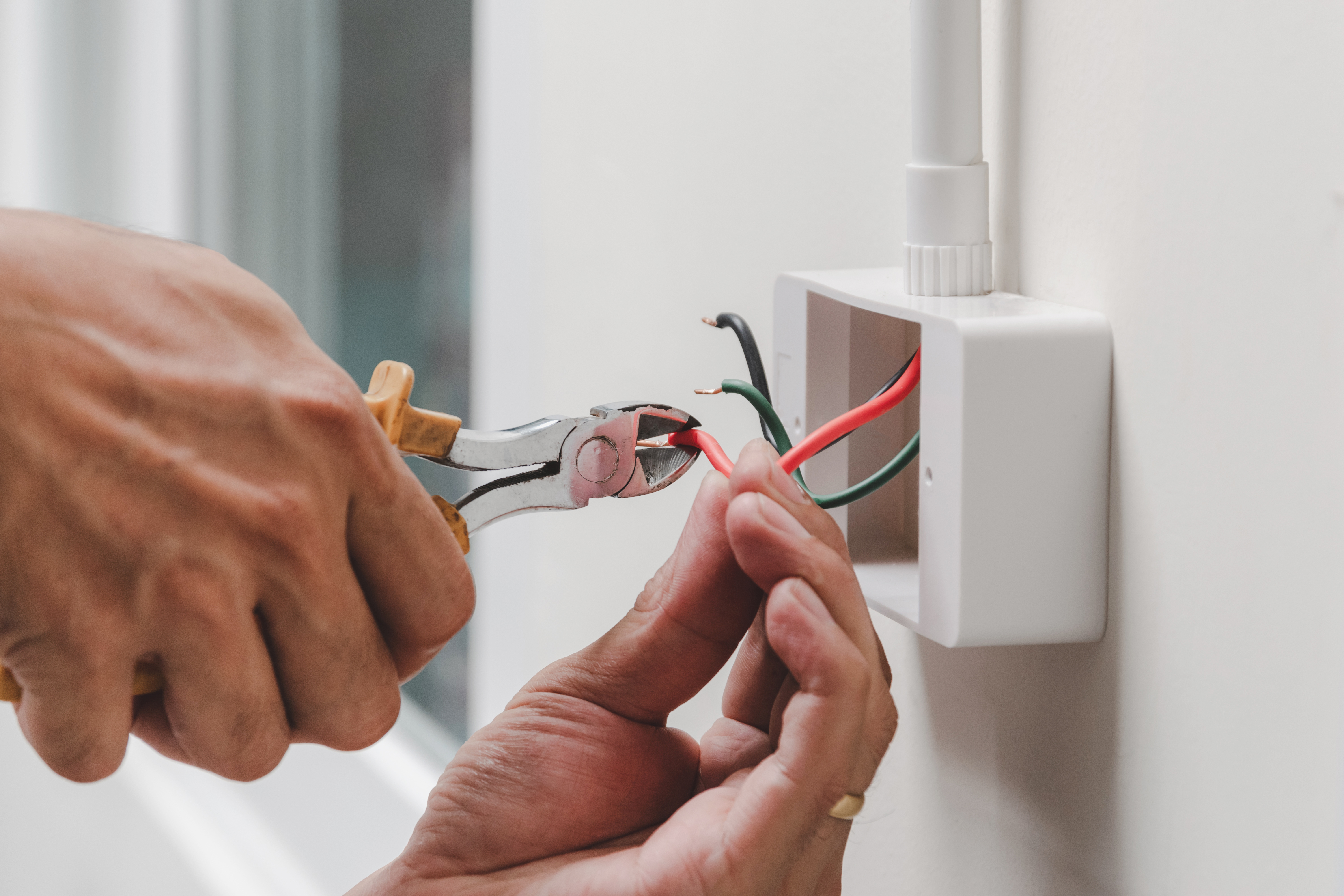
Using a wire stripper/cutter, strip about 1/2 inch to 1 inch of sheathing from electric wires, depending on the application. A self-adjusting wire stripper/cutter works best, but a standard wire stripper/cutter with holes for different gauges of wire works as well to cut and strip away the sheath without damaging the copper wire inside.

The New Underwood, SD homeowners’ guide to electrical services

From average costs to expert advice, get all the answers you need to get your job done.