




Top-rated electricians.

Get matched with top electricians in Lead, SD

Enter your zip and get matched with up to 5 pros

TRUSTED BY LEAD, SD HOMEOWNERS

  • Average homeowner rating star icon4.7
    Average homeowner rating
  • Verified reviews icon38
    Verified electrical services reviews

Find Electricians in Lead

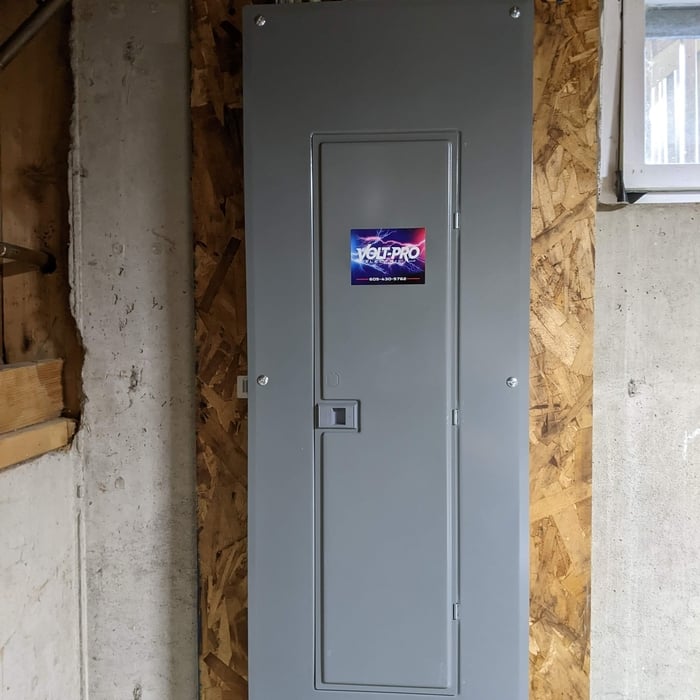
Volt-Pro Electric
5.0(
4
)
Electrical Switches, Outlets & Fixtures - Install or RepairElectrical Switches, Outlets & Fixtures - Install or Repair - For BusinessElectrical Wiring or Panel Upgrade+5 more

Serving Lead, SD and surrounding areas

In business since 2022

Free estimates

Offers commercial services

"Brian has done several projects for me over the years. He has great ideas to solve projects with electrical and lighting. He has always done a great job and completes jobs quickly with quality products! I definitely recommend Volt Pro Electric!"
Exterior Lighting
Avenue of Flags
Minuteman Missile Silo
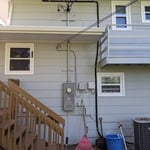
Outside Service
Service Change

+2

Response time10 mins
Response rate100%
Recommended by100%of homeowners
Showing 1-10 of 24
Electrical questions, answered by experts

Your breaker box houses the breakers that control the circuits in your home, shutting them off if they overload or experience similar problems. Your meter box houses your electrical meter that monitors the electricity flowing into your house and measures its use for your utility company.

In some cases, both components are in the same box, but they don’t have to be together. Many homes have them split, with the breaker box inside for easier access and the electric meter outside.

Yes—if a breaker is old or damaged, it might not be able to detect power surges or electrical overload. If that happens, the breaker won’t trip. Instead, it will begin to overheat, putting your electrical system at risk of fire or total electrical failure. Circuit breakers don’t last forever, so you can proactively replace old or damaged breakers before they stop working.

The cost to install or replace a circuit breaker depends on the price of the unit itself and the complexity of the installation. A new circuit breaker typically costs between $10 and $100, with standard breakers being the most affordable and GFCI or AFCI types costing more. If you are upgrading to a higher amperage, a 200-amp circuit breaker can cost between $250 and $350. The average total cost for professional installation is around $700, but this price varies. A simple replacement into existing wiring will cost less than a more complex project that requires opening walls, running new wires, and securing permits.

Knob and tube wiring is old, and its casing is brittle. This means that it's possible to receive a dangerous electrical shock if you touch a live wire and essentially become an electrical pathway. Although the scenario is unlikely, touching any K&T wiring is simply not a good idea in any instance. Leave any wire handling to the professionals.

The most common type of electrical outlet is a 3-prong outlet, which has two flat blades (one is wider than the other) and a round grounding pin. Older homes typically have 2-prong outlets that aren’t as safe as more modern options and are generally not up to current electrical codes.  Other outlets you can find in your home include 20A, 125 volt varieties for larger appliances like refrigerators or washing machines. 

There are also GFCI outlets, which protect against electrical shock in wet areas, such as bathrooms and kitchens, and arc fault circuit interrupter (AFCI) outlets, which protect against electrical fires caused by arcing.

The Lead, SD homeowners’ guide to electrical services

From average costs to expert advice, get all the answers you need to get your job done.